Consultancy Agreement (Wyoming) (Pro-Customer): Free template
Got contracts to review? While you're here for contracts, let Cobrief make contract review effortless—start your free review now.
Customize this template for free
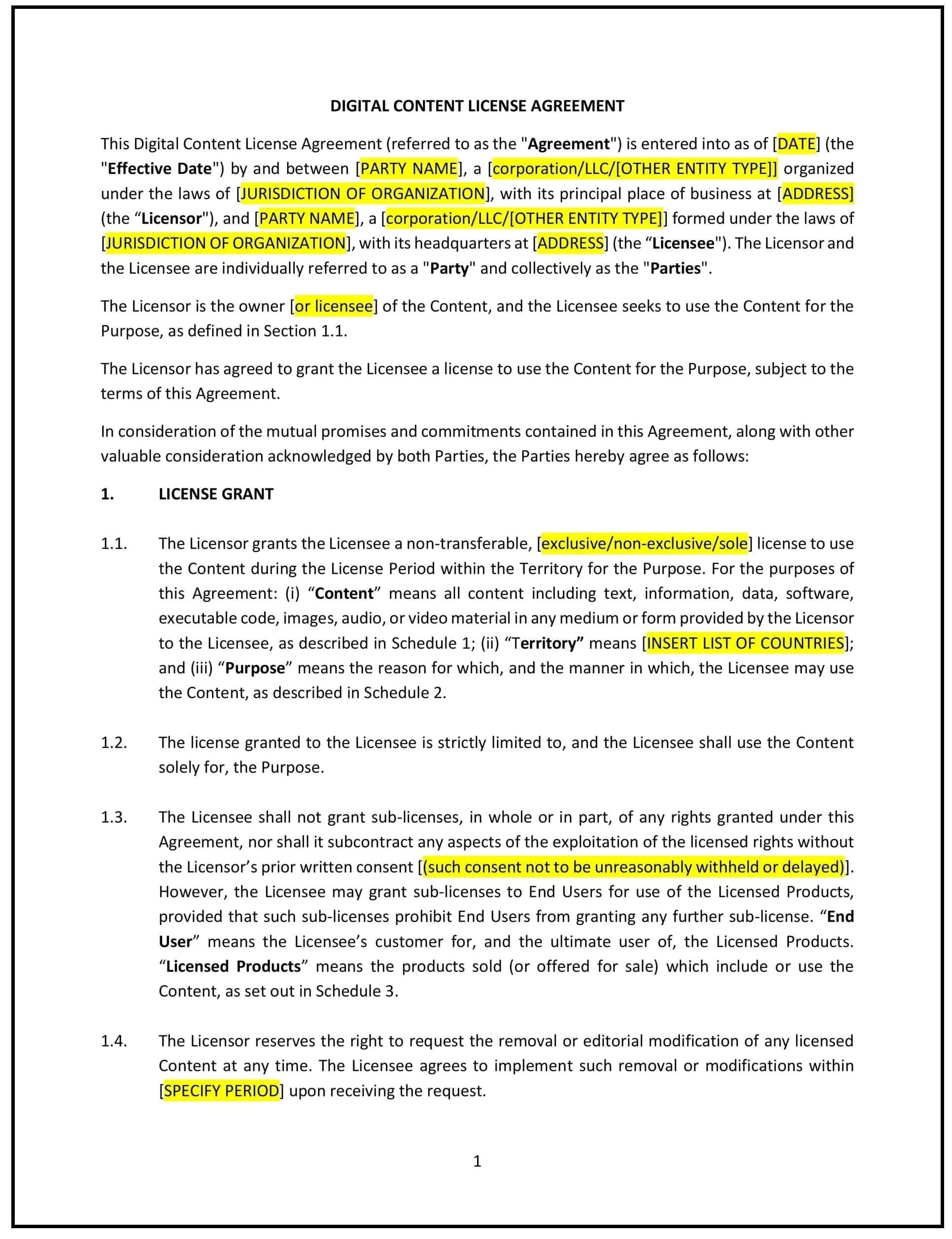
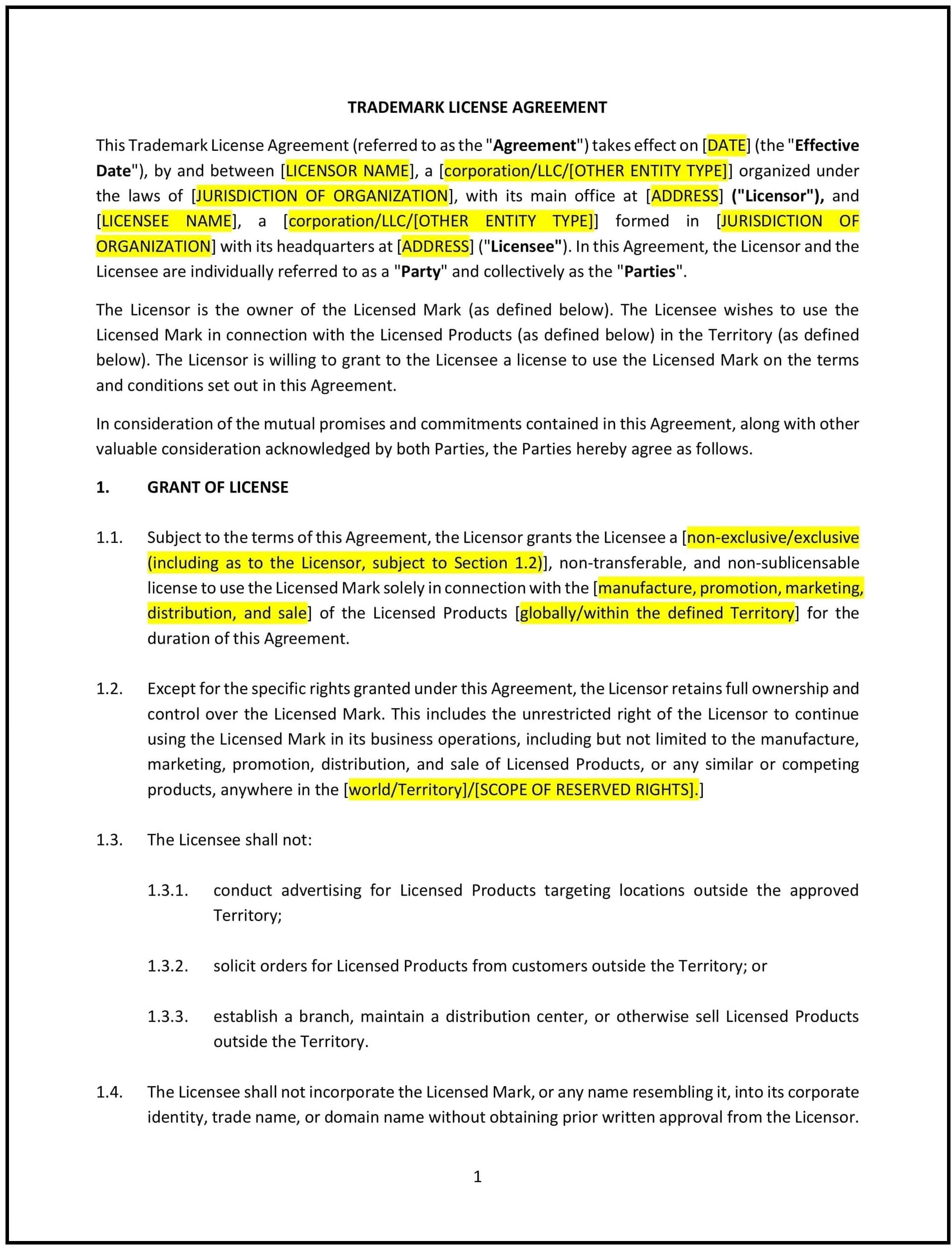
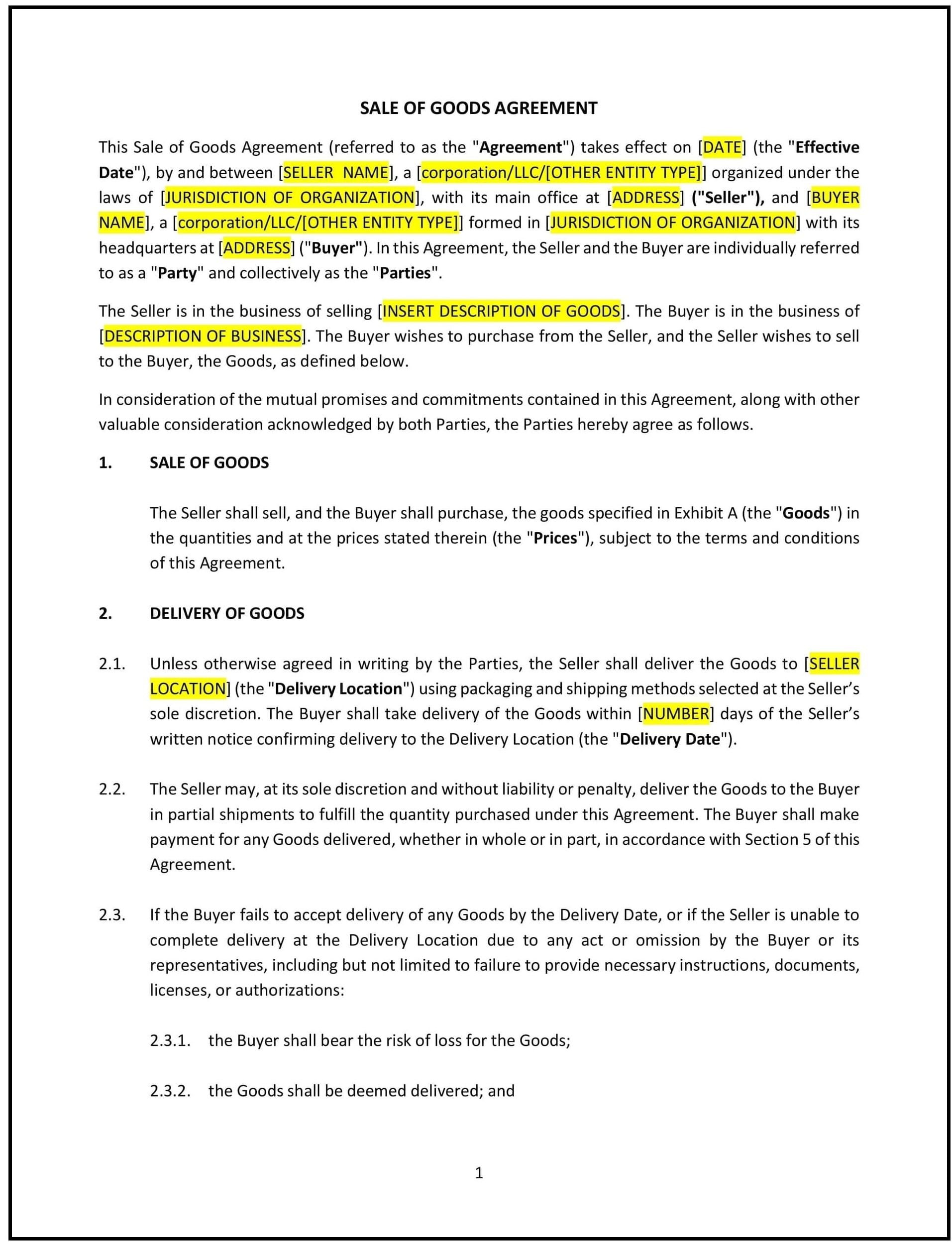
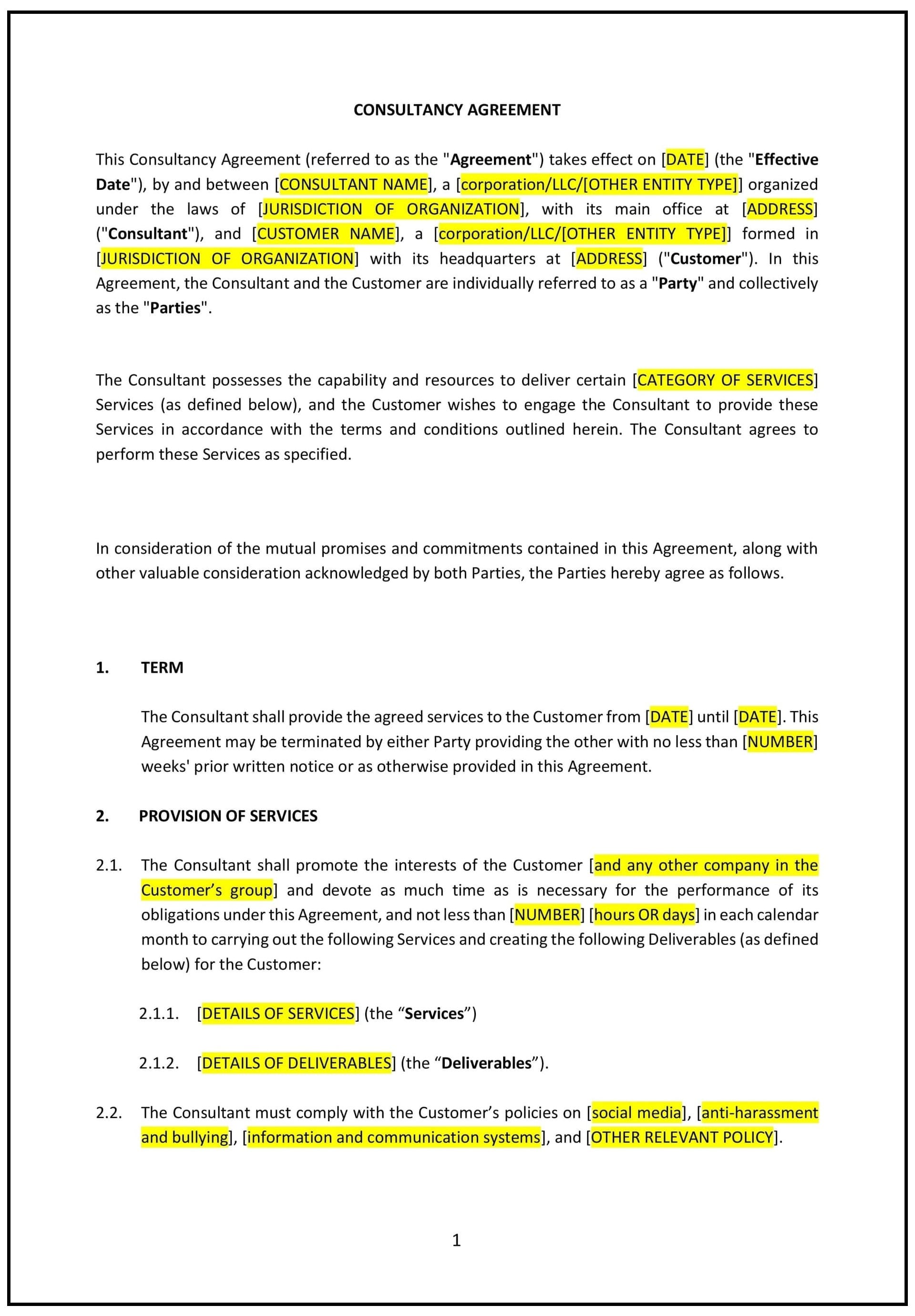
Consultancy Agreement (Wyoming) (Pro-Customer)
A Consultancy Agreement is a legally binding contract between a consultant and a client, outlining the terms and conditions of the consulting services to be provided. In Wyoming, this agreement is particularly important for businesses seeking expert advice while ensuring customer-friendly terms. A Pro-Customer Consultancy Agreement prioritizes the client’s interests, including clear deliverables, payment terms, termination rights, and protections against unsatisfactory performance.
Wyoming businesses often rely on Consultancy Agreements in industries like energy, agriculture, technology, and tourism to access specialized expertise. Wyoming’s business-friendly environment, characterized by no corporate income tax, low regulatory burdens, and a strong emphasis on contract enforcement, makes it an attractive state for consulting services. However, businesses must ensure compliance with state-specific laws, such as Wyoming’s contract enforcement rules, consumer protection statutes, and industry-specific regulations.
For example, in the energy sector, consultants may provide expertise on regulatory compliance or resource management, while in agriculture, they might offer guidance on sustainable practices or market strategies. A well-drafted Consultancy Agreement ensures that both parties understand their obligations, reducing the risk of disputes and fostering a productive working relationship.
Tips for drafting and maintaining a Consultancy Agreement in Wyoming (Pro-Customer)
- Define the scope of services clearly: Specify the consultant’s responsibilities, deliverables, and timelines in detail. For instance, if the consultant is providing marketing services, outline the specific campaigns, reports, or strategies they are expected to deliver. Avoid vague language to prevent misunderstandings.
- Include customer-friendly payment terms: Structure payments based on milestones or deliverables to ensure the client only pays for satisfactory work. For example, tie payments to the completion of specific project phases or the submission of detailed reports. This approach protects the client’s financial interests.
- Add termination clauses: Allow the client to terminate the agreement with reasonable notice if the consultant fails to meet expectations. Include provisions for partial payment for work completed up to the termination date, ensuring fairness for both parties.
- Address confidentiality and intellectual property: Ensure that any work product, proprietary information, or trade secrets created during the consultancy belong to the client. Include non-disclosure clauses to protect sensitive information and specify how data will be handled.
- Comply with Wyoming laws: Ensure the agreement adheres to Wyoming’s contract laws, which emphasize clarity and enforceability. Additionally, consider industry-specific regulations, such as environmental laws for energy consultants or data privacy rules for IT consultants.
- Regularly review and update: Periodically update the agreement to reflect changes in the scope of work, business needs, or legal requirements. For example, if the consultant’s services expand to include additional tasks, amend the agreement to reflect these changes.
Frequently asked questions (FAQs)