Sale of Goods Agreement (Pro-Seller) (Idaho): Free template
Got contracts to review? While you're here for contracts, let Cobrief make contract review effortless—start your free review now.
Customize this template for free
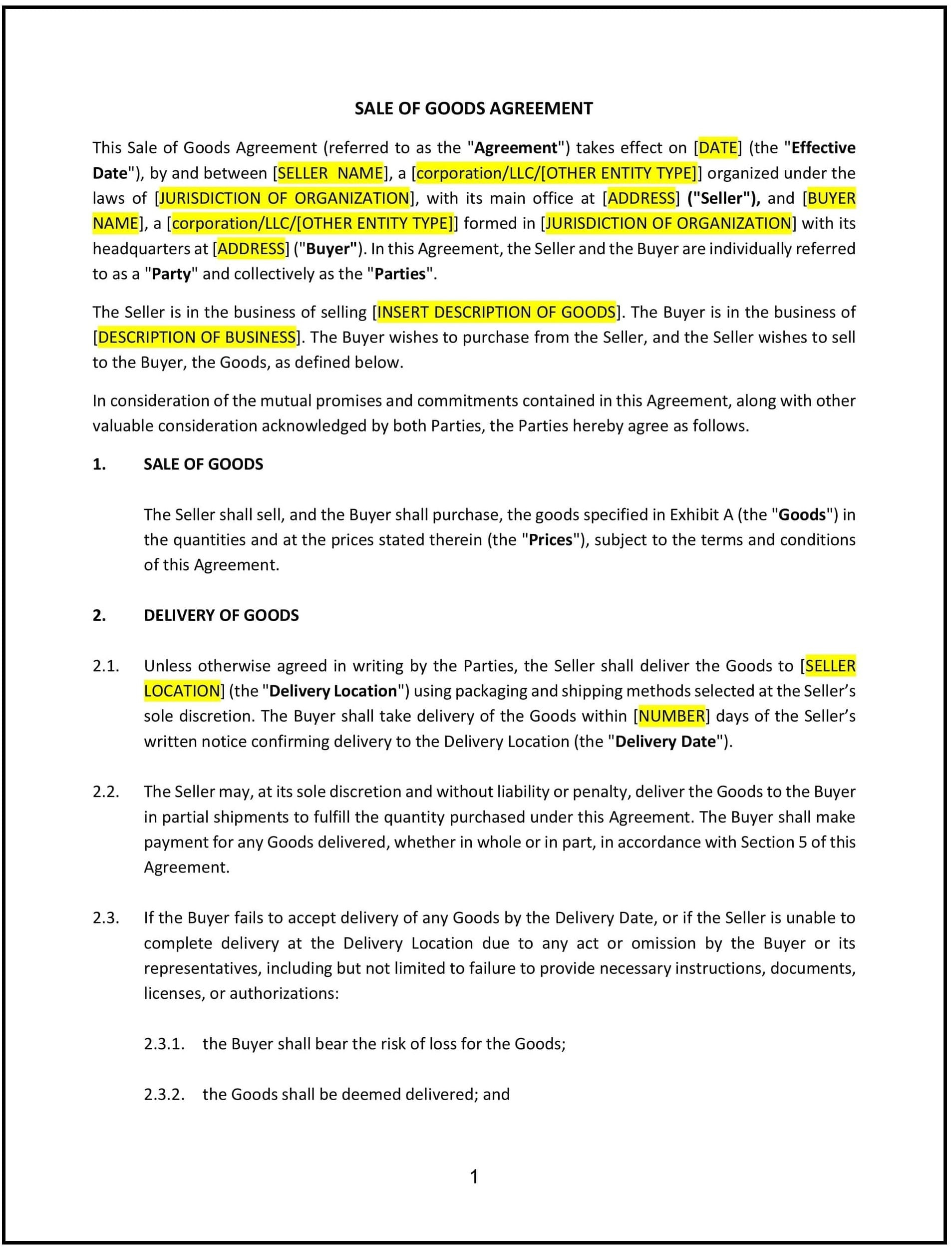
Sale of Goods Agreement (Pro-Seller) (Idaho)
A Sale of Goods Agreement (Pro-Seller) in Idaho is a legally binding contract that sets the terms for a sales transaction between a seller and a buyer. This agreement helps protect the seller’s financial and legal interests by defining payment obligations, delivery terms, risk allocation, and warranty disclaimers. It is commonly used in industries such as manufacturing, wholesale distribution, agriculture, and e-commerce, where businesses regularly engage in the sale of goods.
Idaho follows Uniform Commercial Code (UCC) Article 2, which governs the sale of goods, including provisions related to contract enforcement, warranties, and risk of loss. Additionally, Idaho has state-specific regulations regarding deceptive trade practices and consumer protection that may apply to certain transactions. Businesses selling goods in Idaho should ensure their agreements align with UCC provisions and any applicable state regulations.
A well-structured agreement helps Idaho sellers minimize the risk of non-payment, clarify delivery responsibilities, and establish clear return policies while supporting compliance with state and federal business laws.
Tips for drafting and maintaining a Sale of Goods Agreement (Pro-Seller) in Idaho
- Clearly describe the goods being sold, including specifications, quantity, pricing, and any applicable quality standards to avoid misunderstandings.
- Establish payment terms, including invoice deadlines, acceptable payment methods, and penalties for late payments. Idaho law allows businesses to impose reasonable late fees if they are disclosed in advance.
- Outline delivery responsibilities, including shipping timelines, transportation costs, and when risk of loss transfers to the buyer. Under Idaho UCC Article 2, risk of loss generally shifts to the buyer upon delivery unless otherwise stated in the contract.
- Include warranty disclaimers to protect the seller from liability. Idaho law permits sellers to disclaim implied warranties such as merchantability and fitness for a particular purpose, but disclaimers must be clearly written in the contract.
- Define return and refund policies. While Idaho businesses can limit returns in business-to-business transactions, consumer sales may be subject to additional protections under Idaho consumer protection laws.
- Include a force majeure clause to account for unforeseen events such as supply chain disruptions, severe weather, or labor shortages that could impact the seller’s ability to fulfill contractual obligations.