Sale of Goods Agreement (Pro-Seller) (Michigan): Free template
Customize it in Cobrief, send it for signature, and move straight to payment once it's approved.
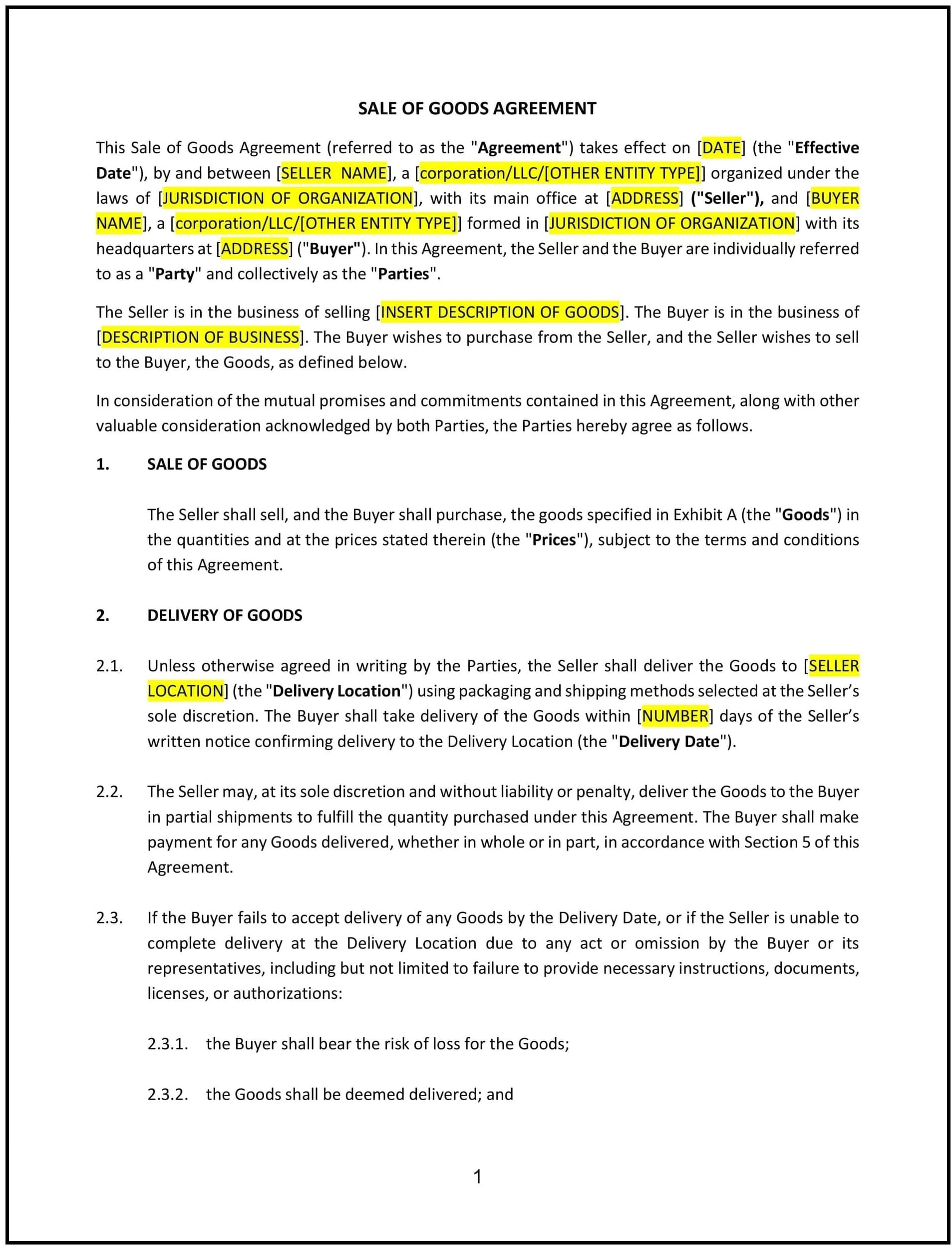
Customize this template for free
TL;DR
A Sale of Goods Agreement (Pro-Seller) tailored for Michigan that establishes a legally binding contract prioritizing the seller's interests in transactions. It details essential terms such as goods description, payment terms, and risk of loss, ensuring compliance with Michigan's Uniform Commercial Code. Commonly used by manufacturers and retailers, this agreement helps sellers mitigate risks and secure timely payments.
Sale of Goods Agreement (Pro-Seller) (Michigan)
A Sale of Goods Agreement (Pro-Seller) is a legally binding contract between a seller and a buyer for the sale of goods, with terms that prioritize the seller’s interests. In Michigan, this type of agreement is commonly used in industries such as manufacturing, retail, and wholesale to ensure that sellers are protected from disputes over product quality, payment delays, and liability. The agreement outlines critical details such as the description of goods, payment terms, delivery schedules, and risk of loss.
Sellers must comply with state-specific laws, including Michigan’s adoption of the Uniform Commercial Code (UCC), which governs the sale of goods. A well-drafted Sale of Goods Agreement (Pro-Seller) ensures clarity, minimizes risks, and aligns with Michigan’s legal requirements.
For example, a Michigan-based manufacturer might use a Sale of Goods Agreement (Pro-Seller) to sell machinery to a buyer, while a retailer might use it to sell consumer products. A Pro-Seller agreement is particularly useful for businesses looking to minimize risk and ensure timely payment.
Tips for drafting and maintaining a Sale of Goods Agreement (Pro-Seller) in Michigan
- Define the goods clearly: Specify the type, quantity, and quality of the goods being sold. For example, include detailed descriptions, specifications, and any warranties or guarantees.
- Include payment terms: Outline the payment structure, payment deadlines, and any penalties for late payments. For instance, specify that payment will be made within 30 days of delivery.
- Address risk of loss: Specify when the risk of loss transfers from the seller to the buyer. For example, state that risk transfers upon delivery to the buyer’s location.
- Include warranty disclaimers: Limit the seller’s liability by disclaiming implied warranties, such as the warranty of merchantability or fitness for a particular purpose. This protects the seller from disputes over product quality.
- Comply with Michigan laws: Ensure the agreement adheres to Michigan’s Uniform Commercial Code (UCC) and consumer protection statutes. This ensures enforceability and protects the seller.
- Regularly review and update: Periodically update the agreement to reflect changes in the goods being sold or business needs. For example, if the seller begins offering new products, amend the agreement to include these.
Frequently asked questions (FAQs)
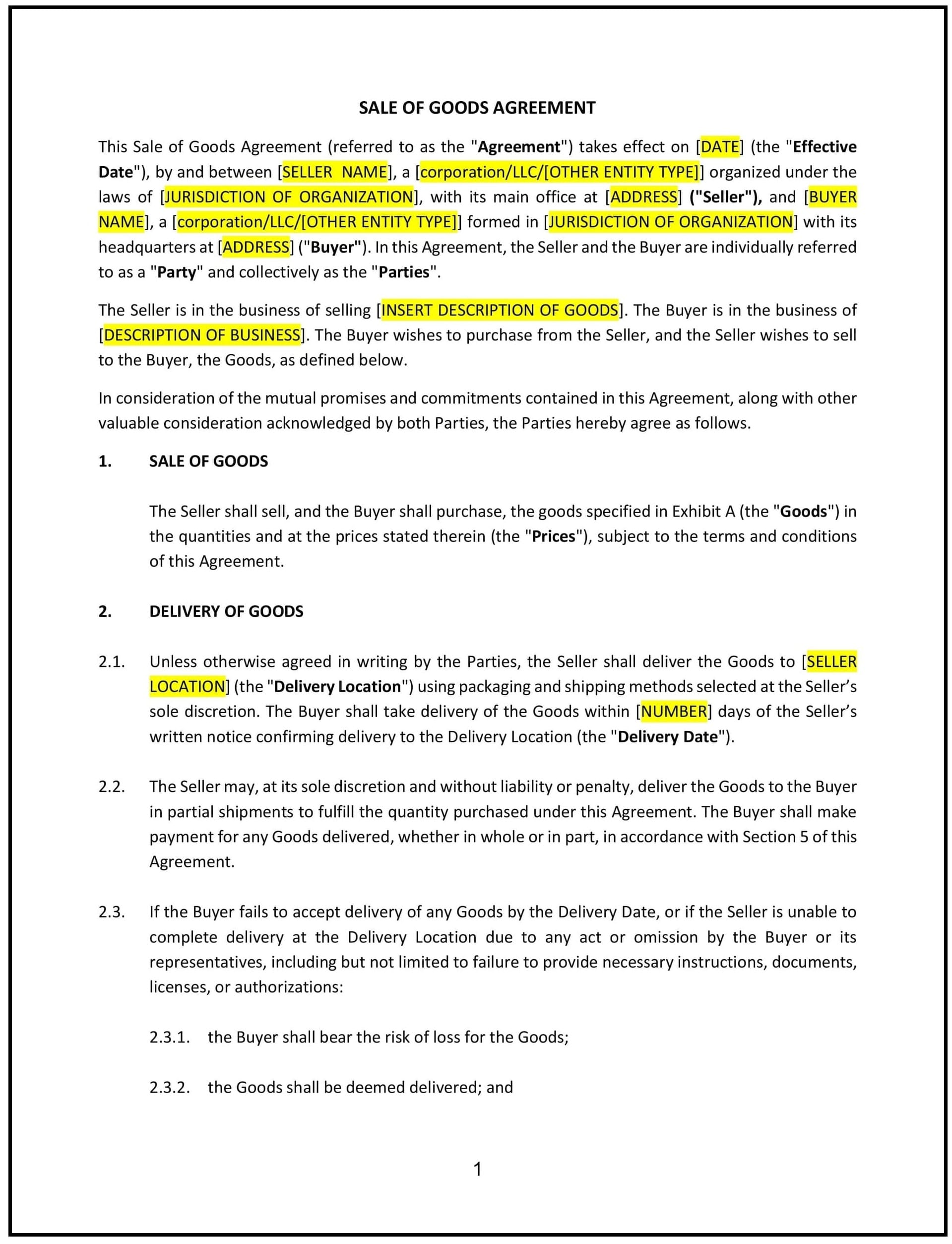
Establishes terms for sale of goods prioritizing the seller, covering product details, payment terms, risk transfer, warranties, and Minnesota law compliance.
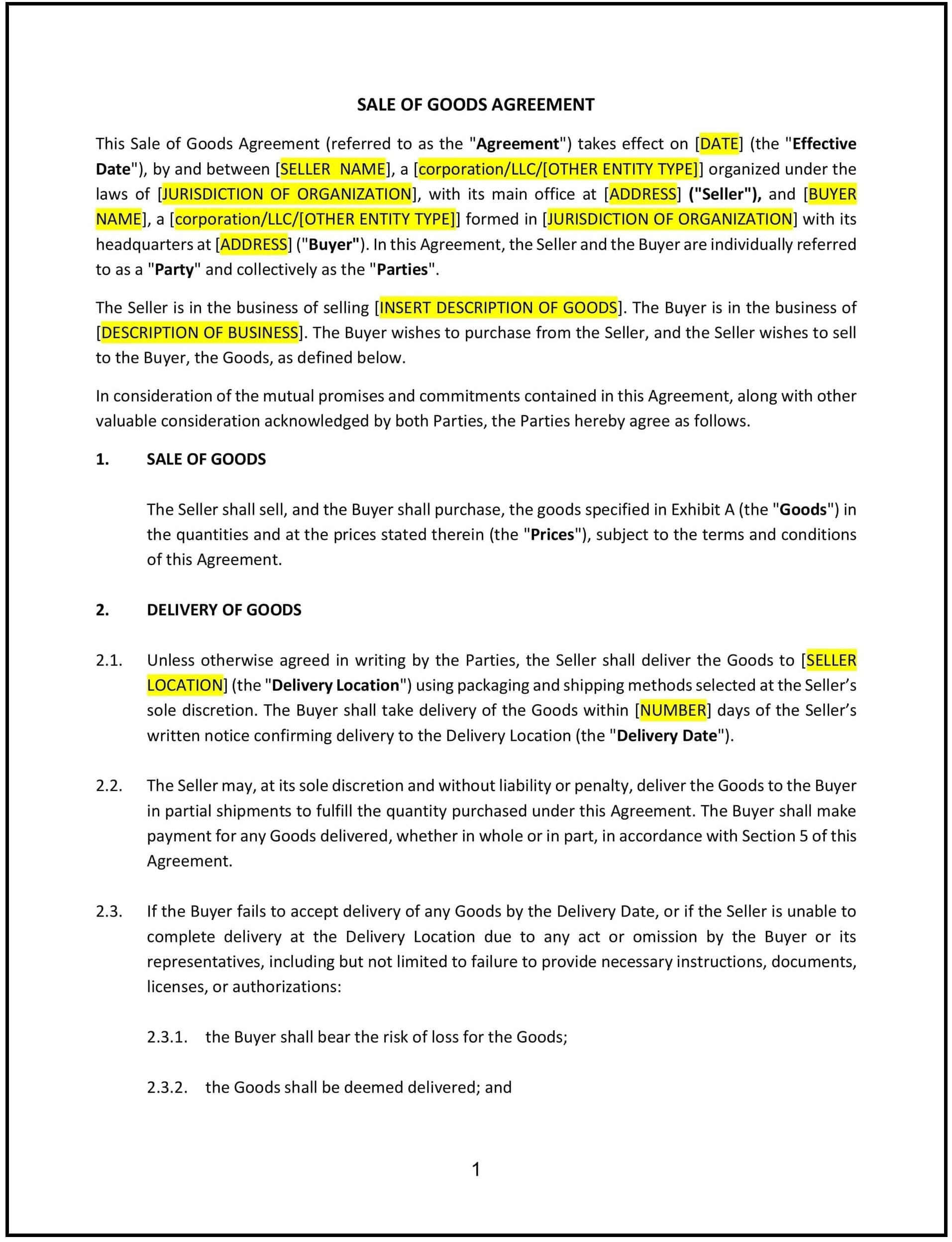
Defines terms for selling goods in Indiana, covering payment, delivery, risk transfer, warranties, returns, and force majeure protections for sellers.
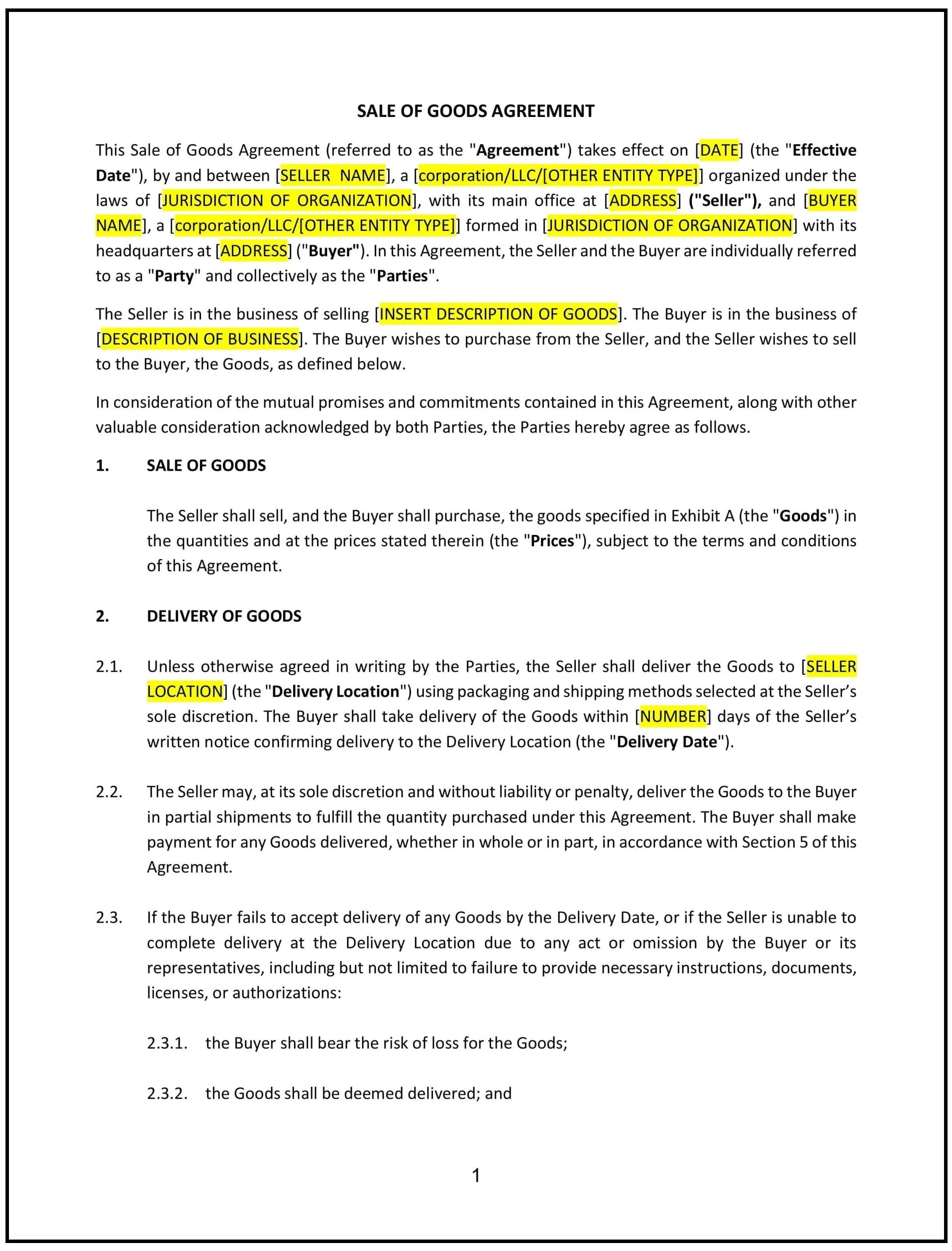
Establishes terms for selling goods in Arizona, covering payment, delivery, risk transfer, liability limits, warranties, returns, and force majeure protections.
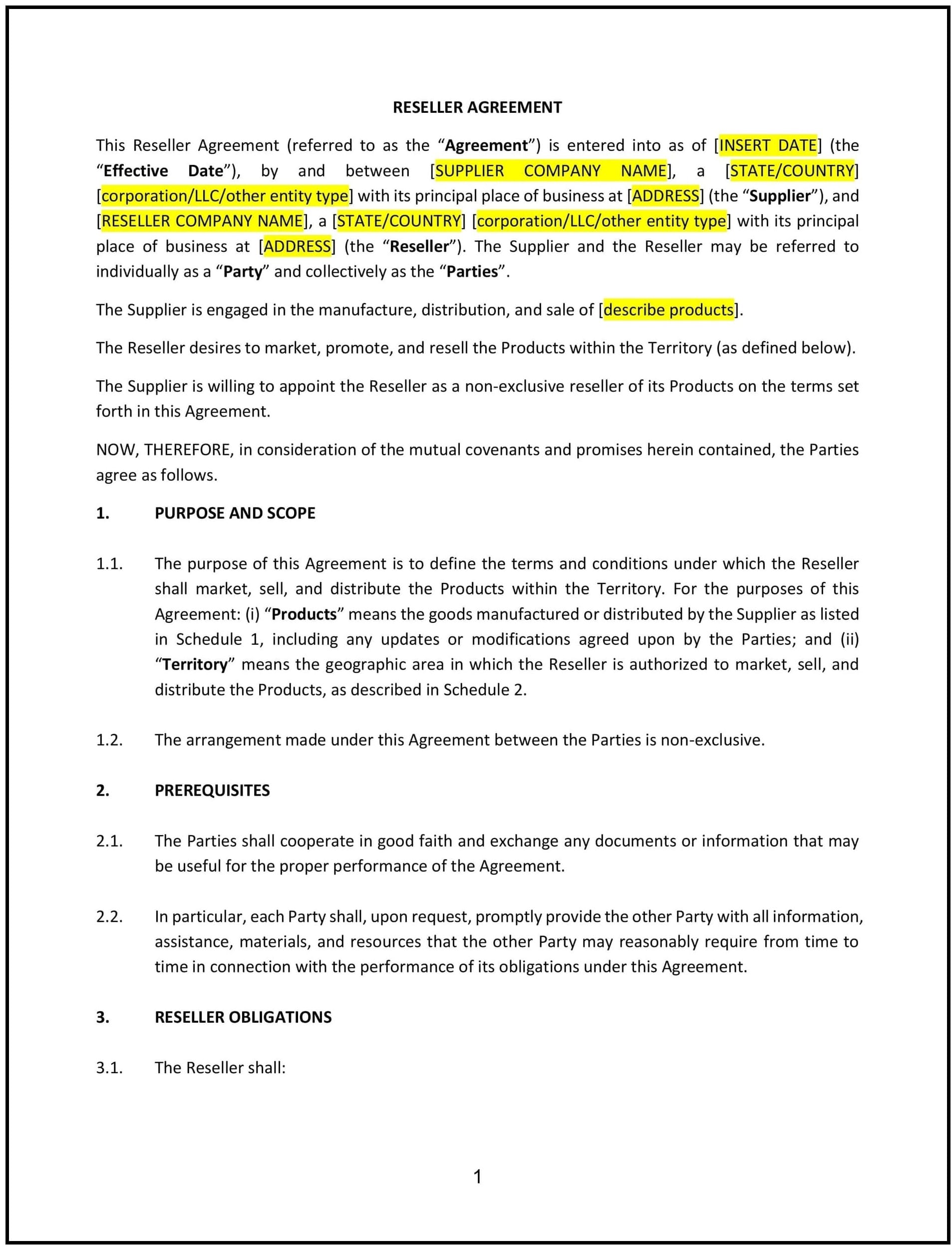
Defines terms for a reseller relationship in Michigan, covering product scope, pricing, intellectual property, performance, termination, and legal compliance.
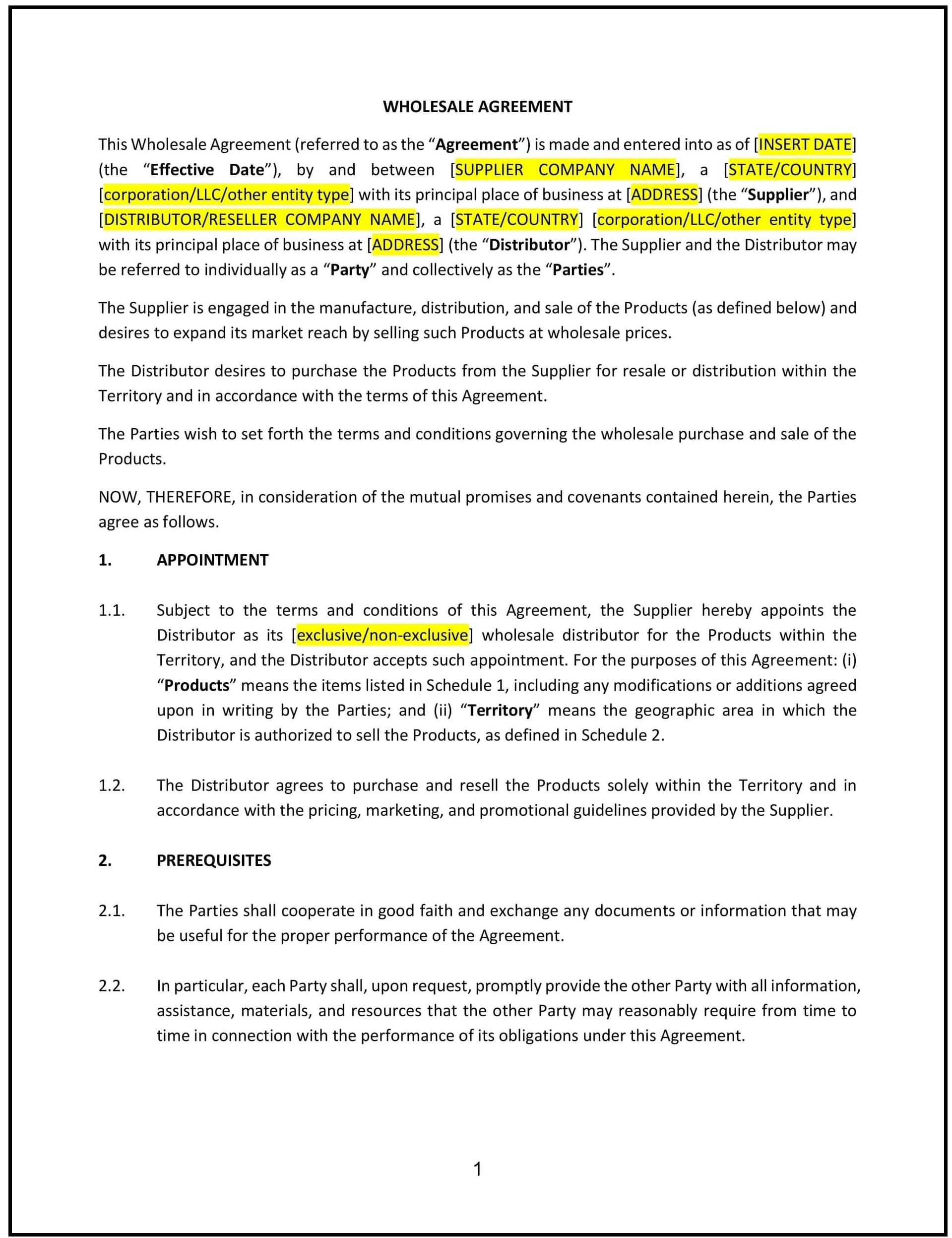
Establishes terms between a supplier and wholesaler in Michigan, covering pricing, order quantities, delivery, payment, exclusivity, and legal compliance.