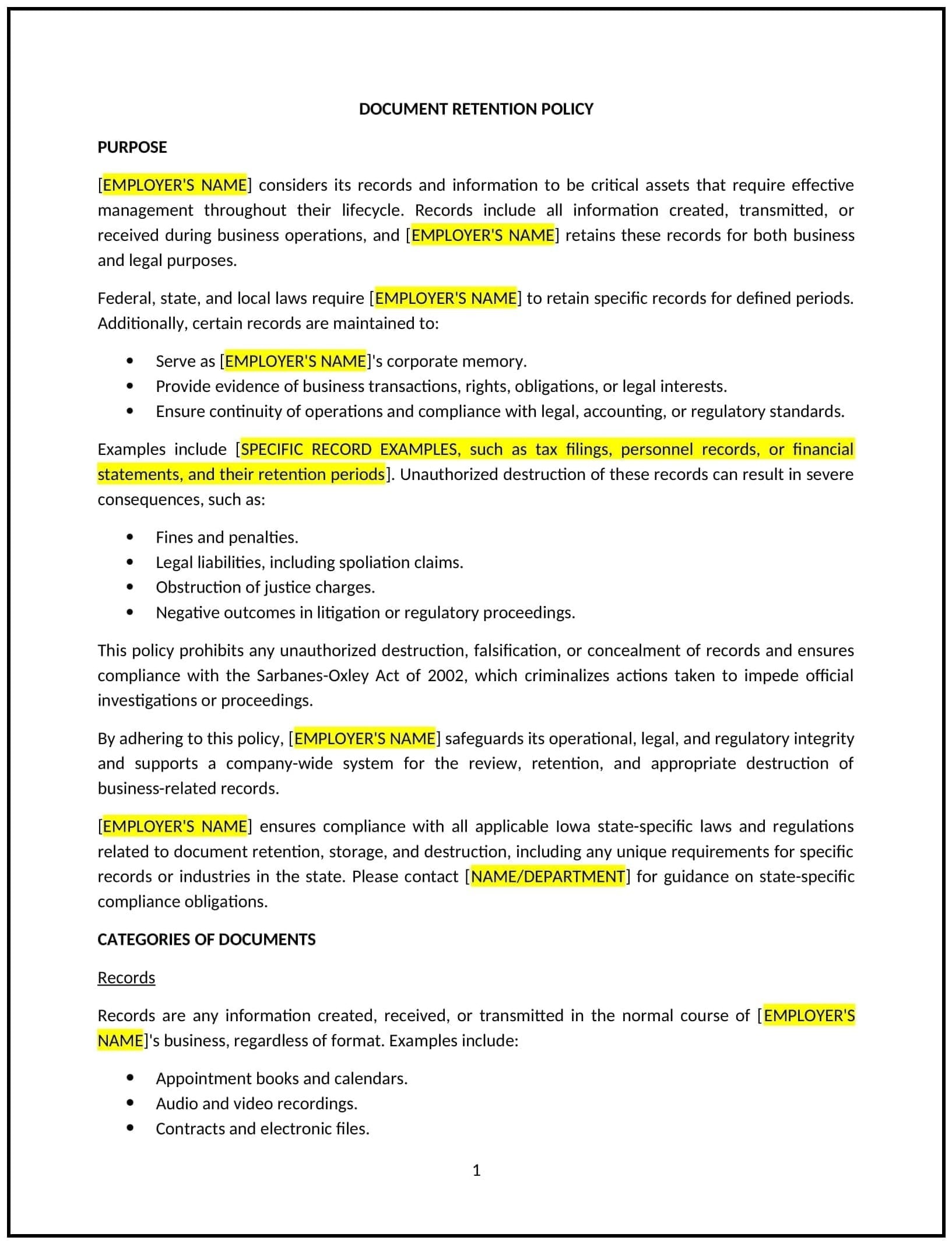
Document retention policy (Iowa): Free template
Specifies how long business records must be kept and how to dispose of them, ensuring compliance with Iowa legal standards.
- Policies
- Iowa
Document retention policy (Iowa)
A document retention policy helps Iowa businesses manage records efficiently by outlining how long documents should be kept and when they should be securely disposed of. Proper document retention protects business interests, supports operational efficiency, and reduces legal risks associated with unnecessary data storage.
This policy establishes retention periods for different types of documents, defines storage and disposal procedures, and ensures that records are organized systematically. It helps businesses maintain accessibility to essential information while managing storage costs effectively.
By implementing this policy, businesses in Iowa can improve record-keeping practices, minimize security risks, and streamline document management processes.
How to use this document retention policy (Iowa)
- Categorize business records: Define different types of documents, such as financial records, contracts, employee files, and tax documents.
- Set retention periods: Establish specific timeframes for keeping records based on business needs and industry standards.
- Outline storage procedures: Specify how records should be stored, whether digitally, physically, or both.
- Define access controls: Restrict document access to authorized employees based on business roles.
- Establish disposal guidelines: Provide methods for securely destroying outdated records, such as shredding or digital deletion.
- Implement backup measures: Require businesses to back up critical documents to prevent data loss.
- Train employees on record management: Educate staff on proper document handling, retention, and disposal practices.
- Review and update: Regularly assess document retention procedures to reflect changing business needs.
Benefits of using this document retention policy (Iowa)
This policy offers several advantages for Iowa businesses:
- Improves record organization: Creates a structured system for managing documents.
- Reduces storage costs: Eliminates unnecessary document retention and optimizes storage space.
- Protects sensitive information: Establishes secure disposal methods to prevent unauthorized access.
- Enhances operational efficiency: Provides quick access to necessary business records.
- Reduces legal risks: Clarifies retention periods for important documents.
- Supports disaster recovery: Ensures backup copies of essential records are maintained.
Tips for using this document retention policy (Iowa)
- Classify records by type: Businesses should categorize documents to determine appropriate retention timelines.
- Store documents securely: Businesses should implement digital encryption and physical security measures for sensitive records.
- Set clear disposal procedures: Businesses should establish methods for securely discarding outdated files.
- Automate retention where possible: Businesses should use document management software to track and manage retention schedules.
- Conduct periodic audits: Businesses should review stored records regularly to ensure proper retention and disposal.
- Train employees on policy guidelines: Businesses should educate staff on proper document handling and security measures.
Frequently asked questions (FAQs)
Similar templates
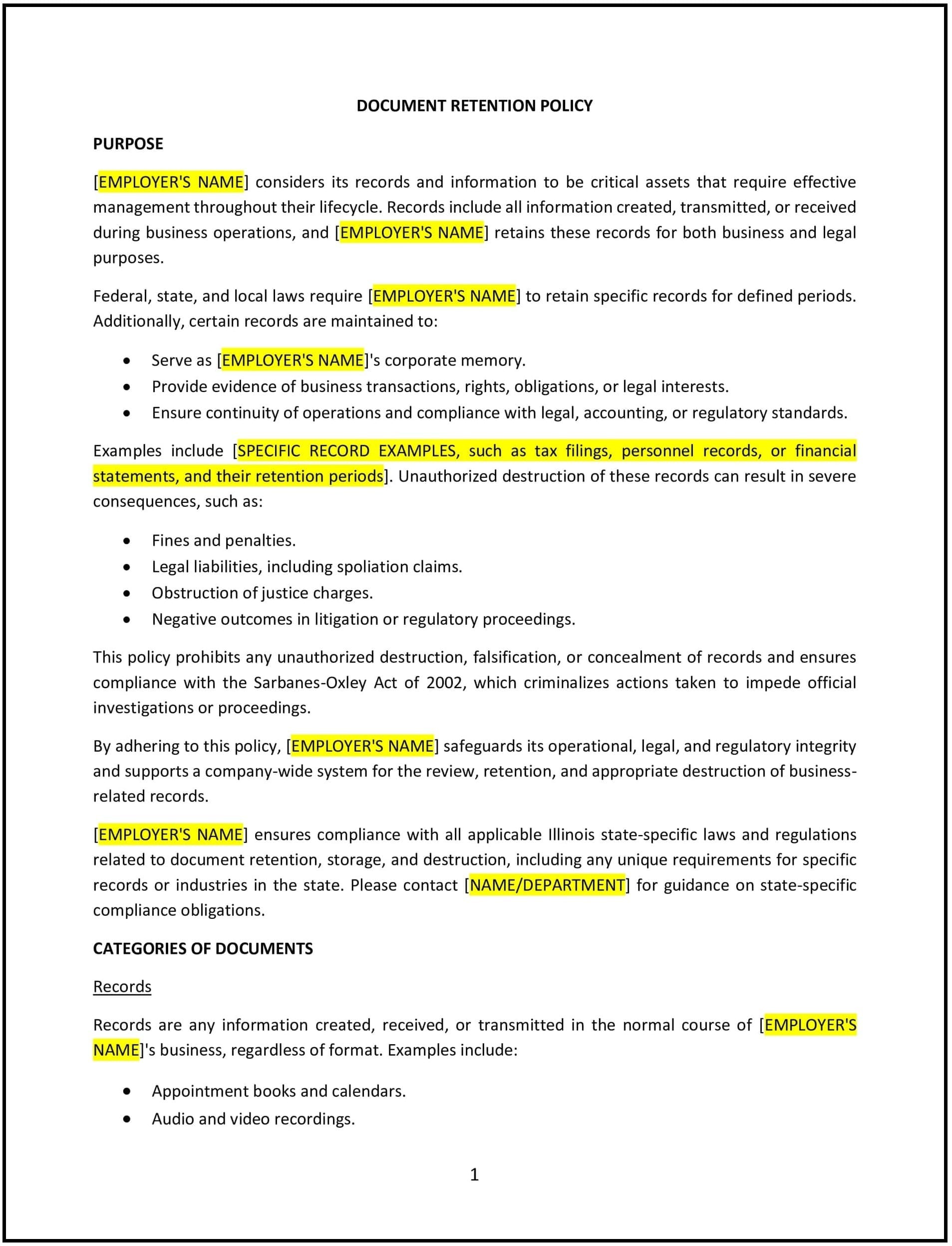
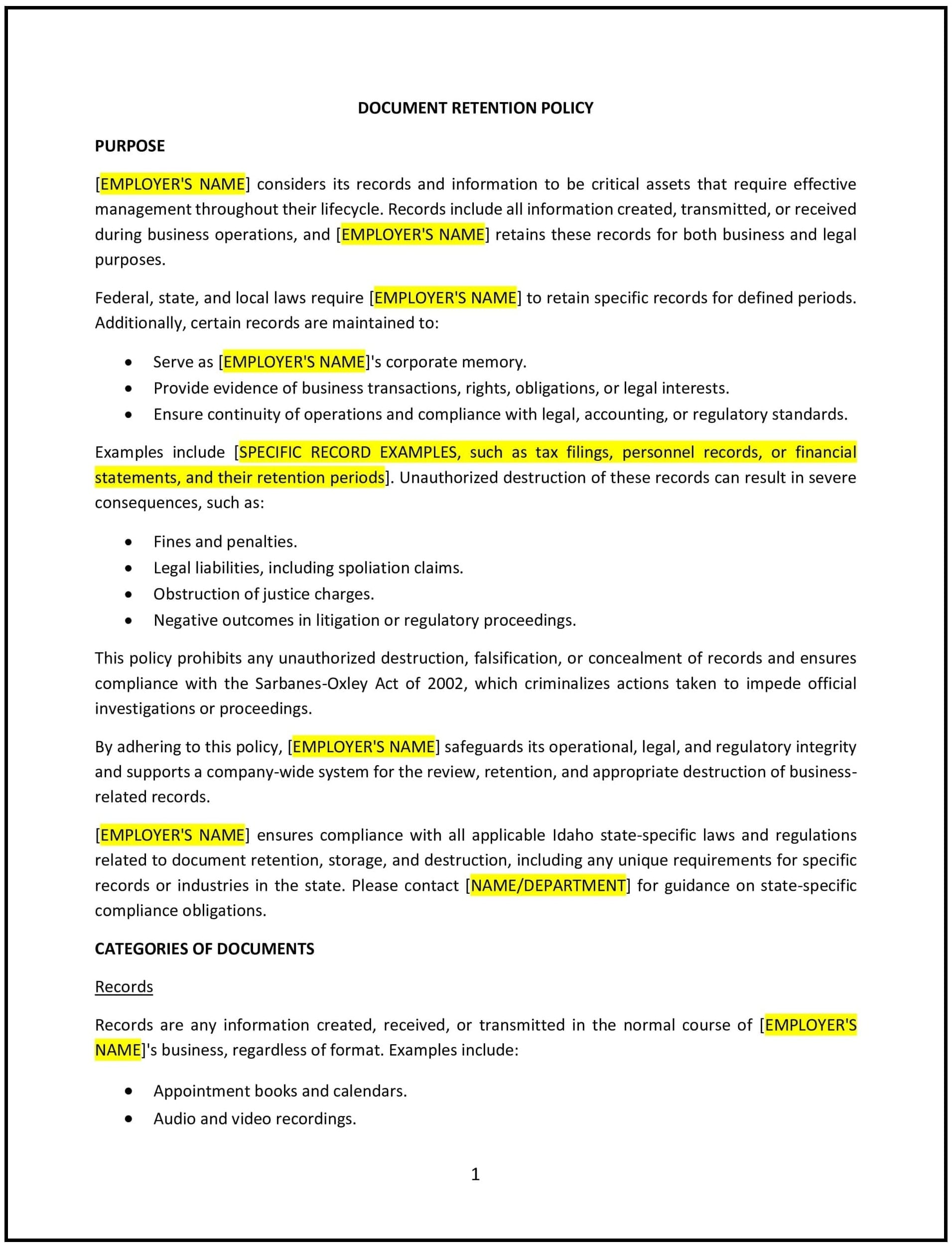
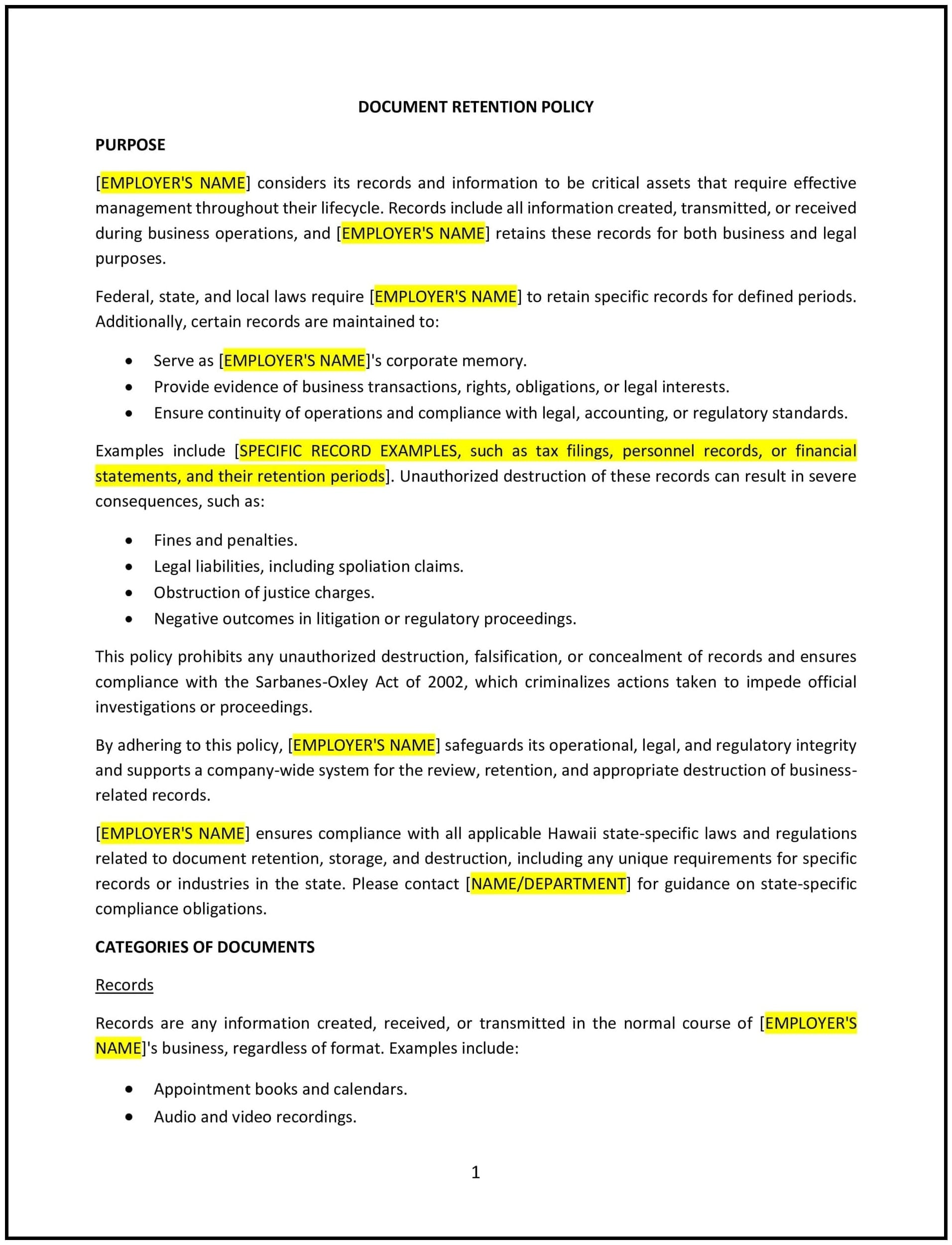
Where deals go from offer to paid
