Independent Contractor Agreement (Rhode Island): Free template
Customize it in Cobrief, send it for signature, and move straight to payment once it's approved.
Customize this template for free
TL;DR
Defines the terms of engagement between a business and an independent contractor in Rhode Island, ensuring compliance with state labor laws. It clarifies roles, payment structures, and intellectual property ownership, helping businesses avoid misclassification issues. Commonly used by companies in sectors like construction, healthcare, and technology, this agreement protects both parties by outlining expectations and reducing dispute risks.
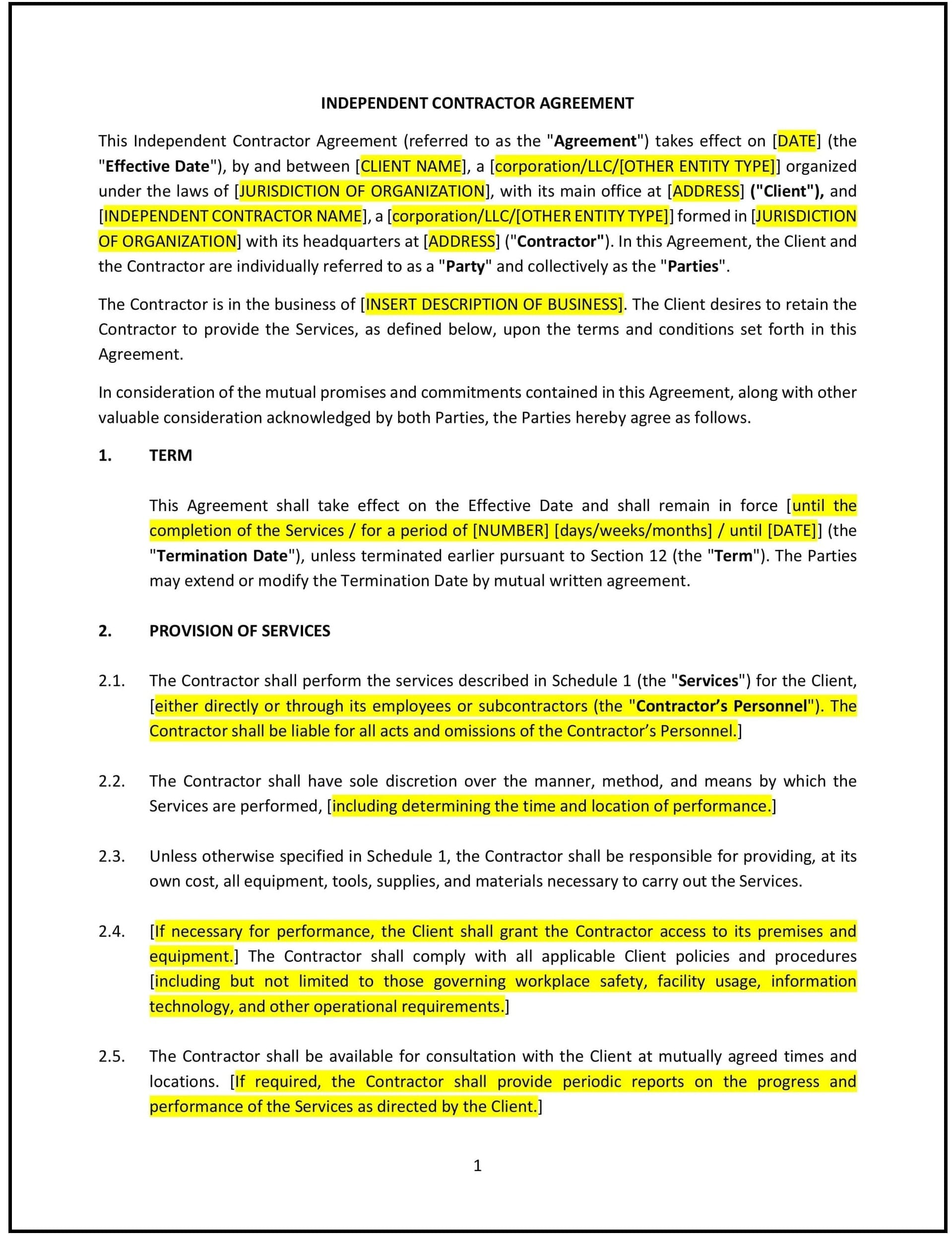
Independent Contractor Agreement (Rhode Island)
An Independent Contractor Agreement is a legally binding contract between a business and a contractor, defining the terms of their working relationship. In Rhode Island, this agreement is crucial for businesses hiring freelancers or independent workers while ensuring compliance with state labor laws. Rhode Island’s diverse economy, with strong sectors in healthcare, education, and manufacturing, makes it an attractive state for independent contractor arrangements.
This agreement helps businesses avoid misclassification issues, which can lead to penalties under Rhode Island labor laws. It also ensures that the contractor’s responsibilities, payment terms, and project timelines are clearly outlined. Independent contractors are commonly used in industries like construction, healthcare, technology, and creative services, where specialized skills are required for specific projects.
For example, a construction company in Rhode Island might hire an independent contractor to oversee a building project, while a tech startup might engage a freelance developer to create a software application. A well-drafted Independent Contractor Agreement protects both parties by clarifying expectations and reducing the risk of disputes.
Tips for drafting and maintaining an Independent Contractor Agreement in Rhode Island
- Define the contractor’s role clearly: Specify the services to be performed, deliverables, and deadlines. For example, if the contractor is a graphic designer, outline the specific designs or assets they are expected to create. Avoid vague language to prevent misunderstandings.
- Include detailed payment terms: Outline the payment structure, whether hourly, project-based, or milestone-based. Specify invoicing procedures, payment deadlines, and any penalties for late payments. For instance, state that payments will be made within 30 days of receiving an invoice.
- Address intellectual property ownership: Ensure that any work product created by the contractor belongs to the business. Include clauses that transfer ownership of intellectual property upon payment. This is particularly important for creative or technical work.
- Avoid misclassification: Clearly state that the contractor is not an employee and include language that emphasizes their independence. For example, specify that the contractor is responsible for their own taxes, insurance, and equipment. This helps comply with Rhode Island labor laws and avoids penalties.
- Include termination clauses: Specify the conditions under which either party can terminate the agreement. For example, allow termination with 30 days’ notice or immediately in cases of breach of contract. Outline any payments due upon termination.
- Regularly review and update: Update the agreement to reflect changes in the scope of work, business needs, or legal requirements. For instance, if the contractor’s responsibilities expand, amend the agreement to include these new tasks.
Frequently asked questions (FAQs)
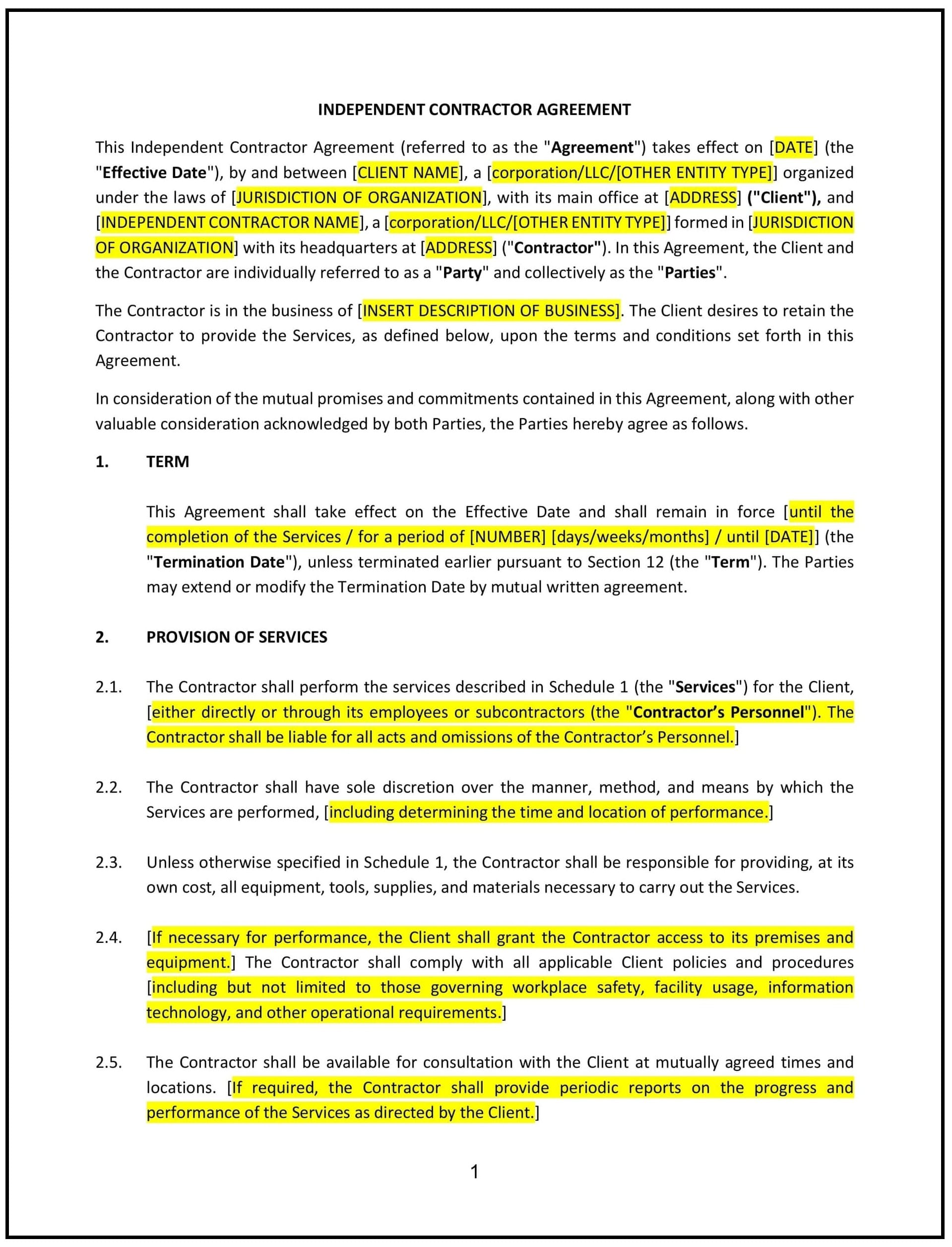
Defines terms for independent contractors in Connecticut, covering scope, payment, status, confidentiality, intellectual property, and dispute resolution.
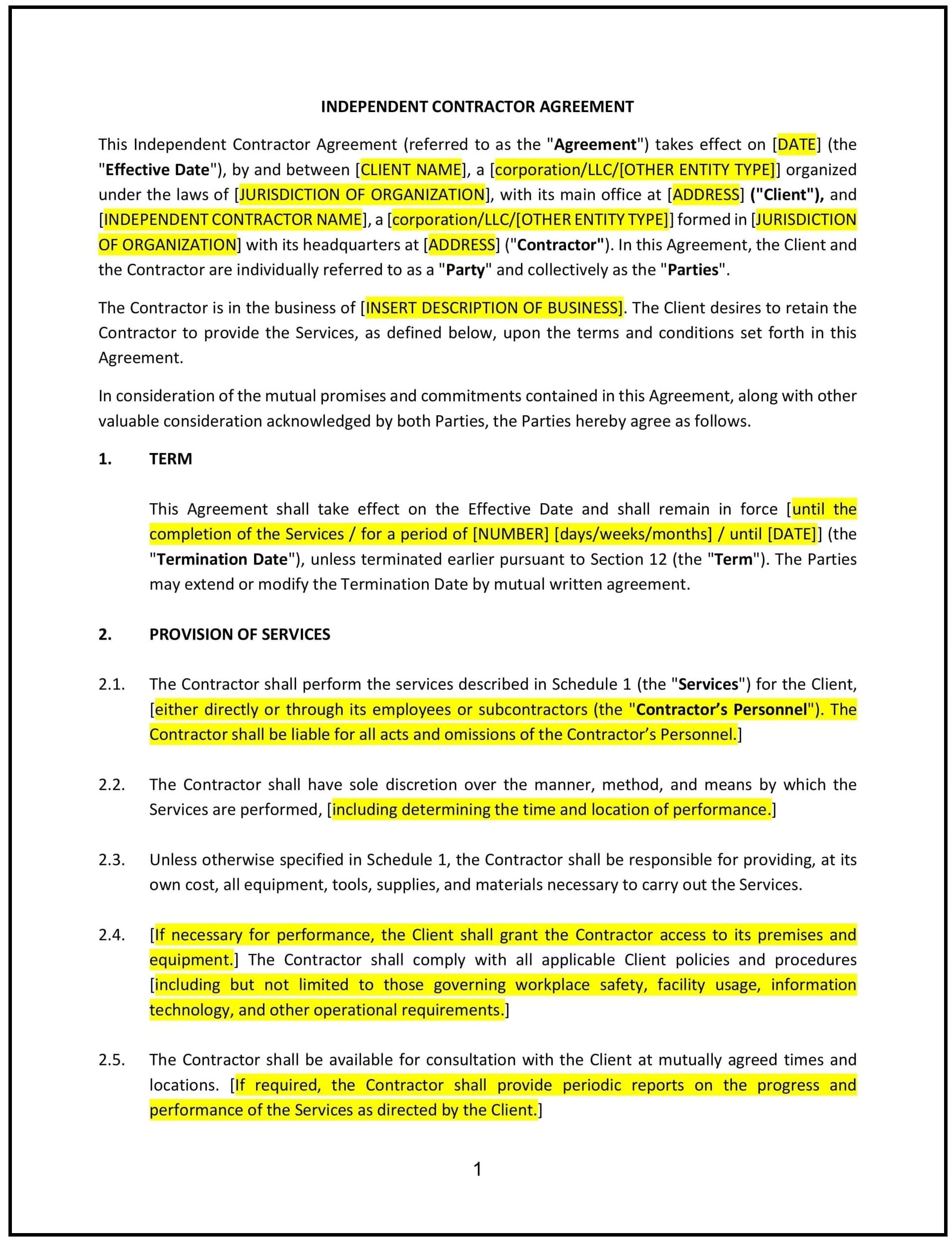
Establishes terms for independent contractor services in New Hampshire, covering work scope, payment, confidentiality, IP ownership, and dispute resolution.
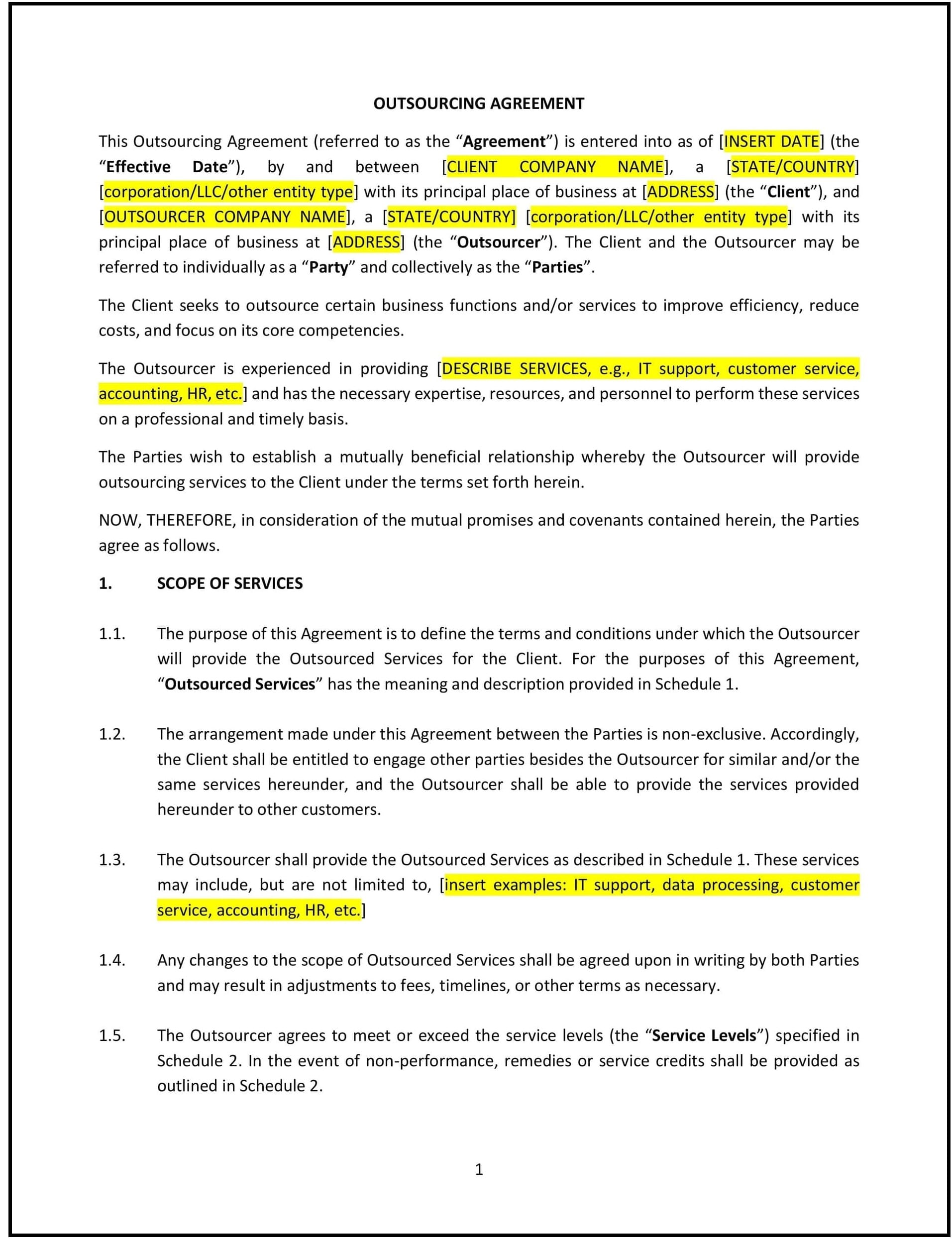
Defines terms for outsourcing business functions in Rhode Island, covering scope, payment, performance, confidentiality, IP rights, liability, and termination.
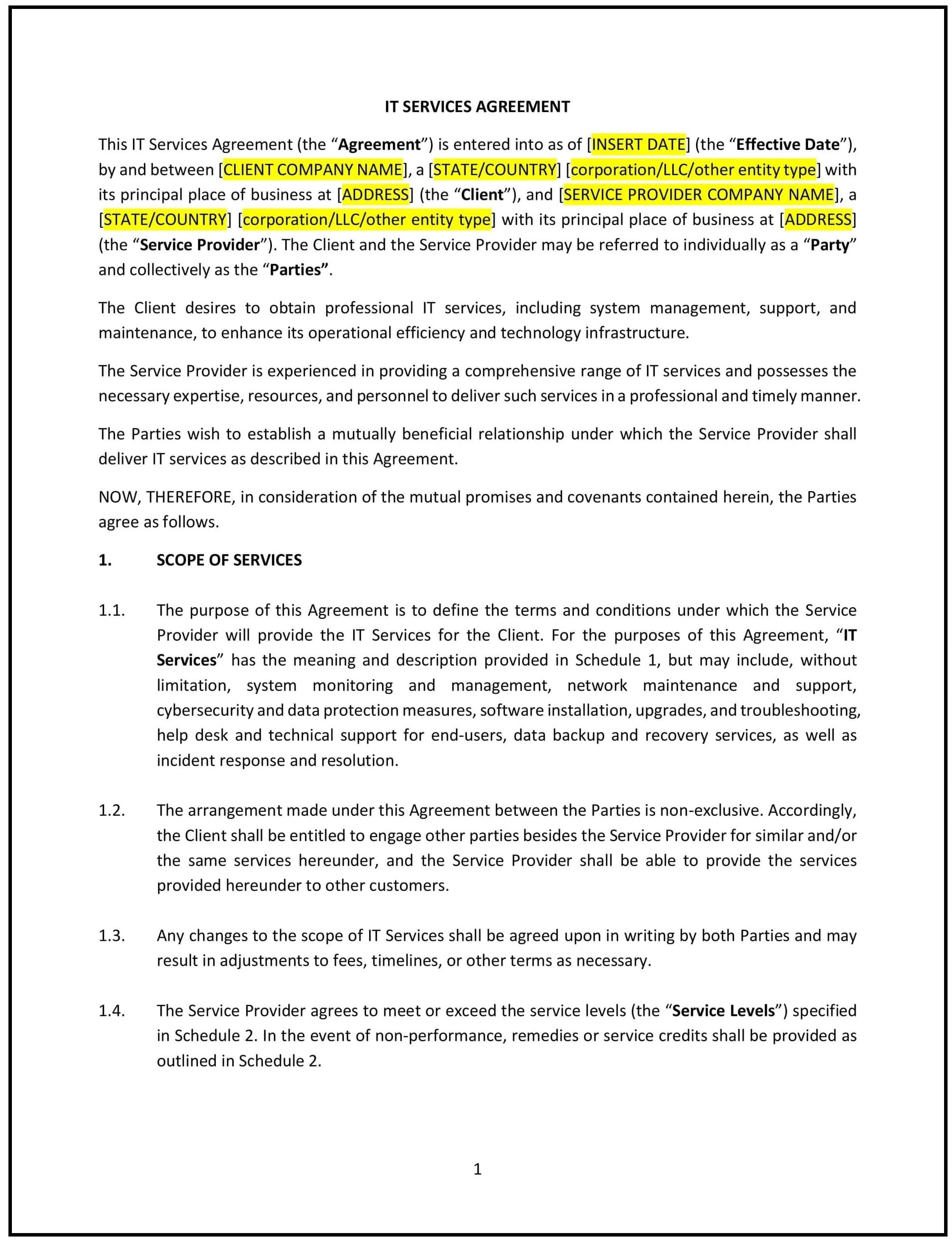
Defines terms for IT service provision in Rhode Island, covering service scope, payment terms, intellectual property, termination, and legal compliance.
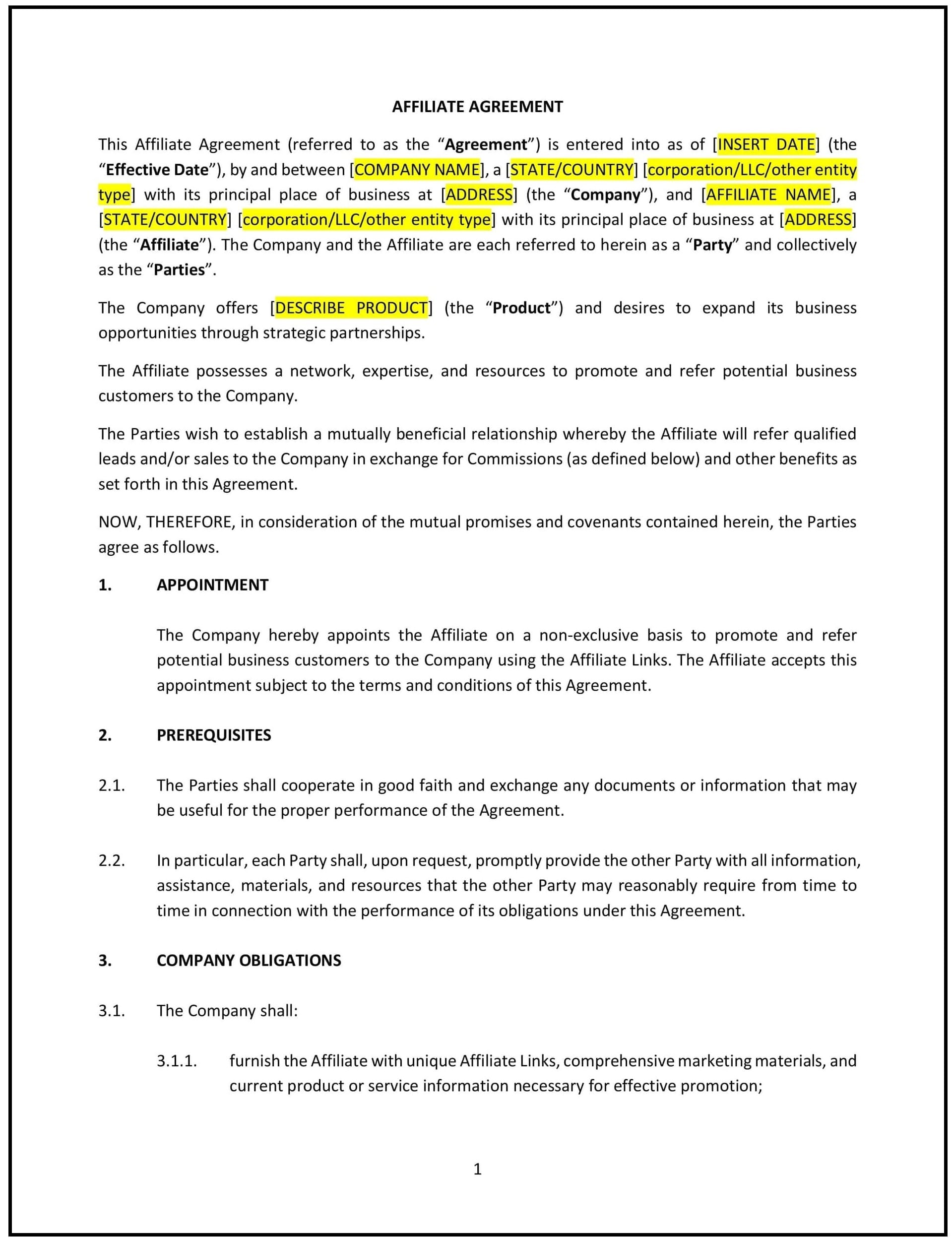
Defines terms for affiliate marketing in Rhode Island, covering commission, promotional methods, intellectual property, performance standards, and termination.