Non-Disclosure Agreement (Unilateral) (Wyoming): Free template
Customize it in Cobrief, send it for signature, and move straight to payment once it's approved.
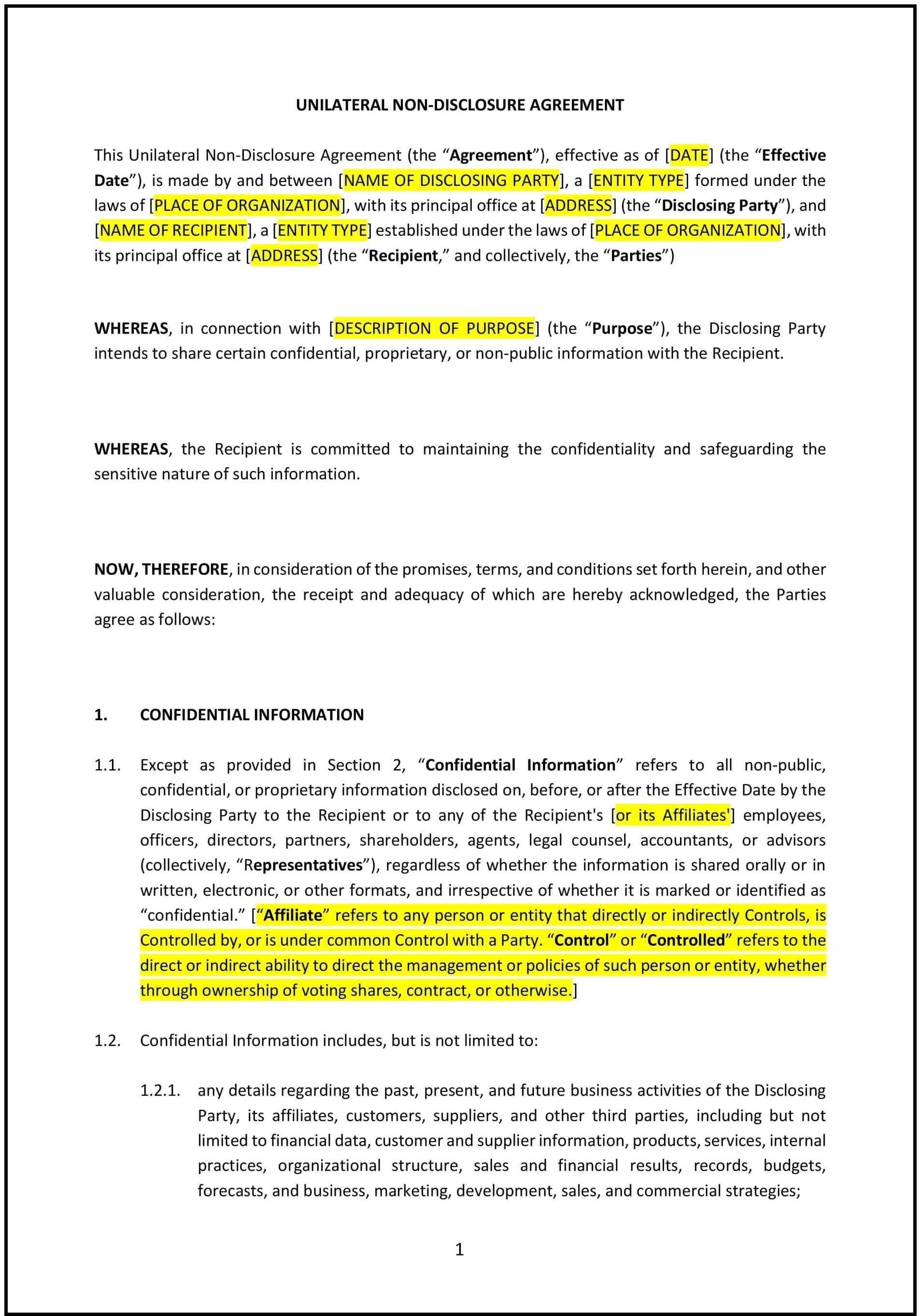
Customize this template for free
TL;DR
A unilateral non-disclosure agreement tailored for use in Wyoming, designed to protect one party's confidential information from disclosure by another. Commonly utilized by businesses when sharing sensitive data with employees, contractors, or investors, it outlines obligations for confidentiality and compliance with state laws.
Non-Disclosure Agreement (Unilateral) (Wyoming)
A Unilateral Non-Disclosure Agreement (NDA) is a legally binding contract where one party agrees to protect the other party’s confidential information. In Wyoming, this type of agreement is commonly used when a business shares sensitive information with employees, contractors, or potential investors. A Unilateral NDA ensures that the receiving party cannot disclose or misuse the disclosing party’s proprietary data, trade secrets, or business strategies.
Wyoming’s business-friendly environment makes it an attractive state for startups and established businesses alike. However, businesses must ensure compliance with state-specific laws, such as Wyoming’s contract enforcement rules and the Wyoming Uniform Trade Secrets Act (WUTSA). A well-drafted Unilateral NDA protects the disclosing party’s interests and fosters trust in business relationships.
For example, a tech startup in Wyoming might use a Unilateral NDA to protect its product development plans when engaging a freelance developer, while a manufacturing company might use it to safeguard proprietary processes when hiring a consultant.
Tips for drafting and maintaining a Unilateral Non-Disclosure Agreement in Wyoming
- Define confidential information clearly: Specify what constitutes confidential information. For example, include categories like business plans, financial data, customer lists, and technical specifications. Avoid vague language to prevent disputes.
- Include obligations for the receiving party: Ensure the receiving party is obligated to protect the disclosing party’s confidential information. This creates a clear expectation of confidentiality.
- Set a reasonable duration: Wyoming courts may reject NDAs with indefinite confidentiality periods. Specify a time frame (e.g., 2-5 years) that is reasonable based on the nature of the information.
- Address permitted disclosures: Outline situations where disclosure is allowed, such as in response to a court order, government investigation, or legal requirement. This helps prevent unintended breaches.
- Comply with Wyoming laws: Ensure the NDA adheres to Wyoming’s contract laws and the Wyoming Uniform Trade Secrets Act (WUTSA). This ensures enforceability and protects trade secrets.
- Regularly review and update: Periodically update the agreement to reflect changes in the scope of the relationship or business needs. For example, if the receiving party begins handling additional types of information, amend the NDA to include these.
Frequently asked questions (FAQs)
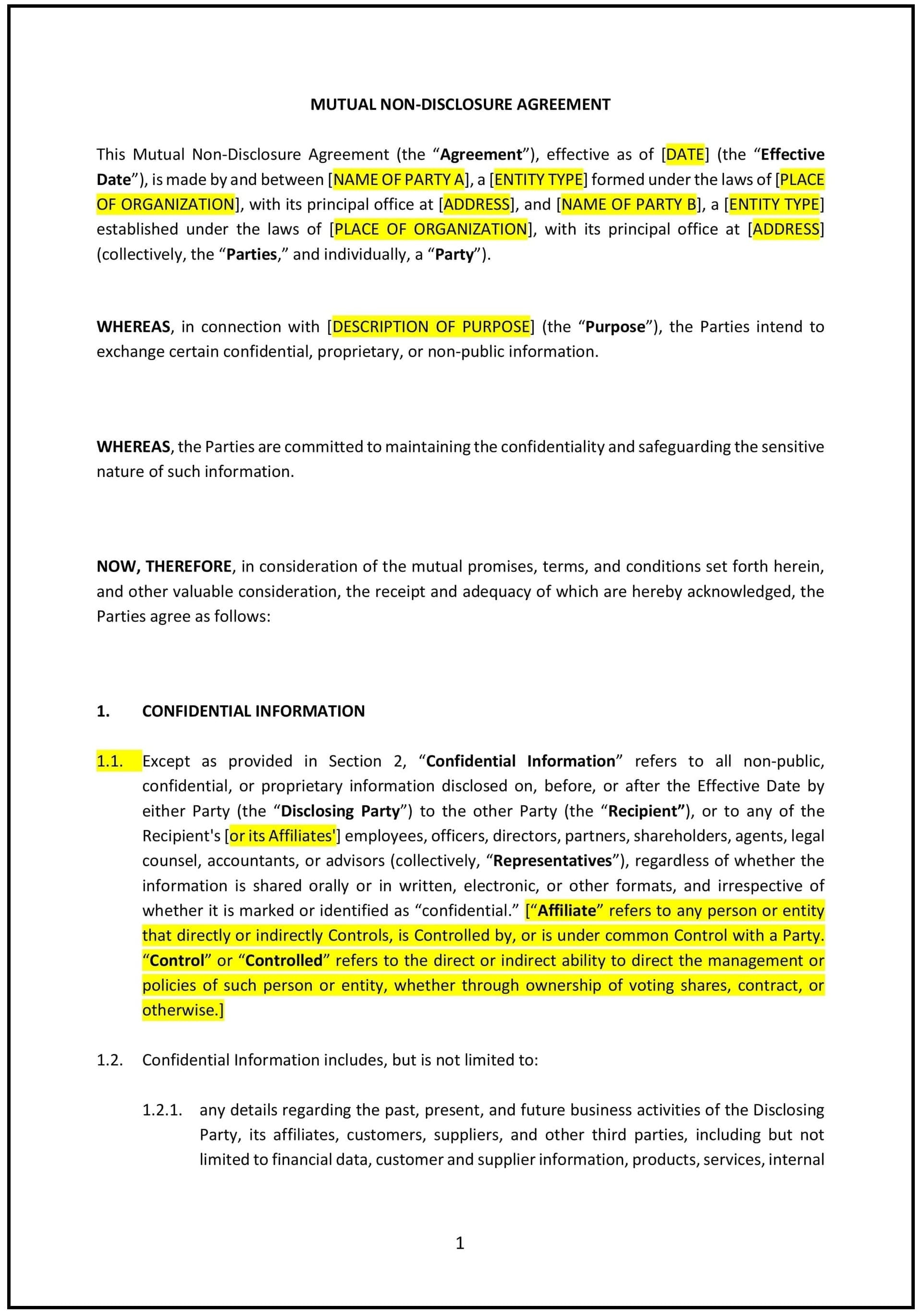
Establishes mutual confidentiality obligations, defining protected information, permitted disclosures, duration, and compliance with Wyoming laws.
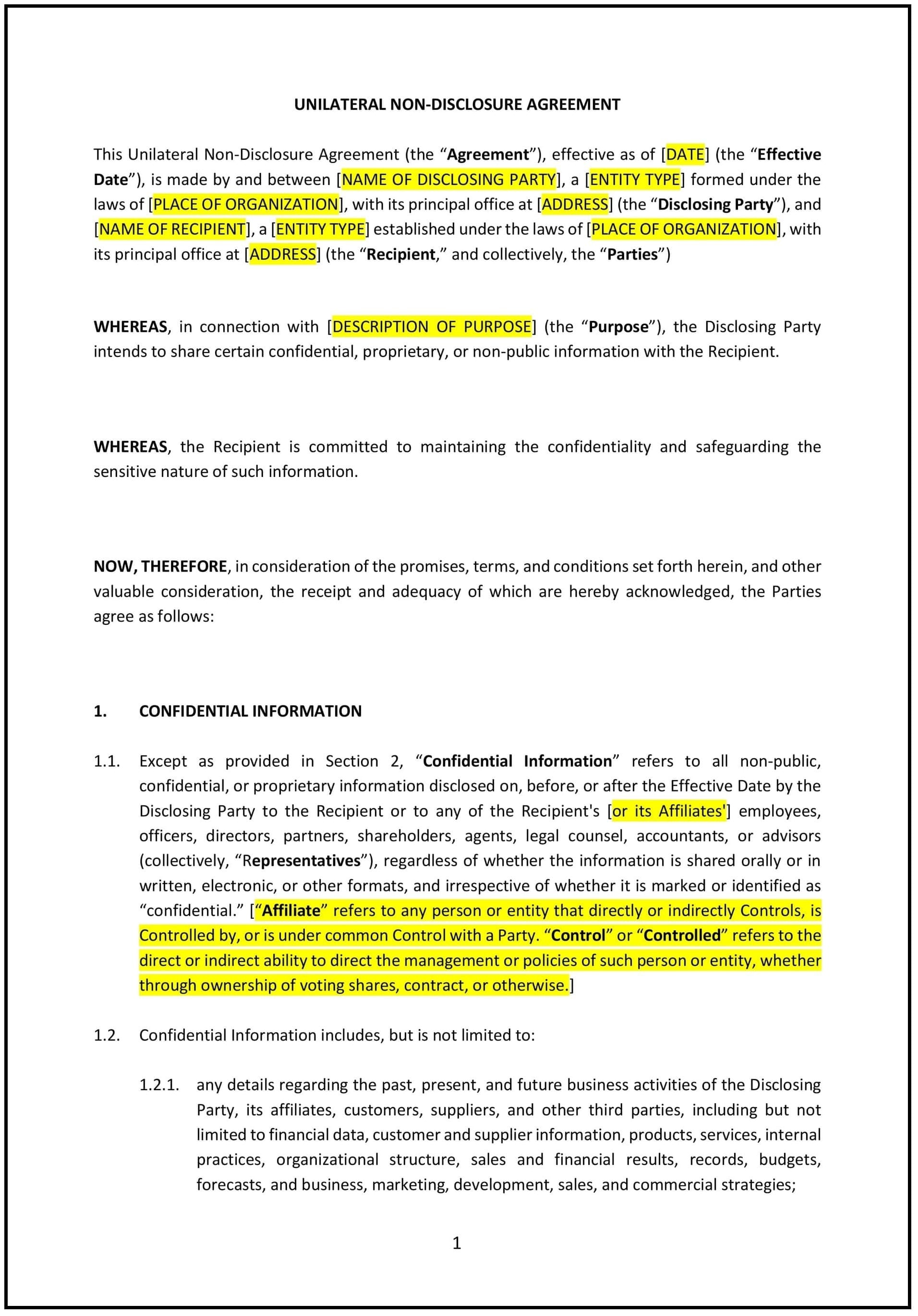
Learn about drafting a Unilateral NDA in Utah to protect confidential info, comply with UT laws, and understand essential legal terms and enforcement tips.
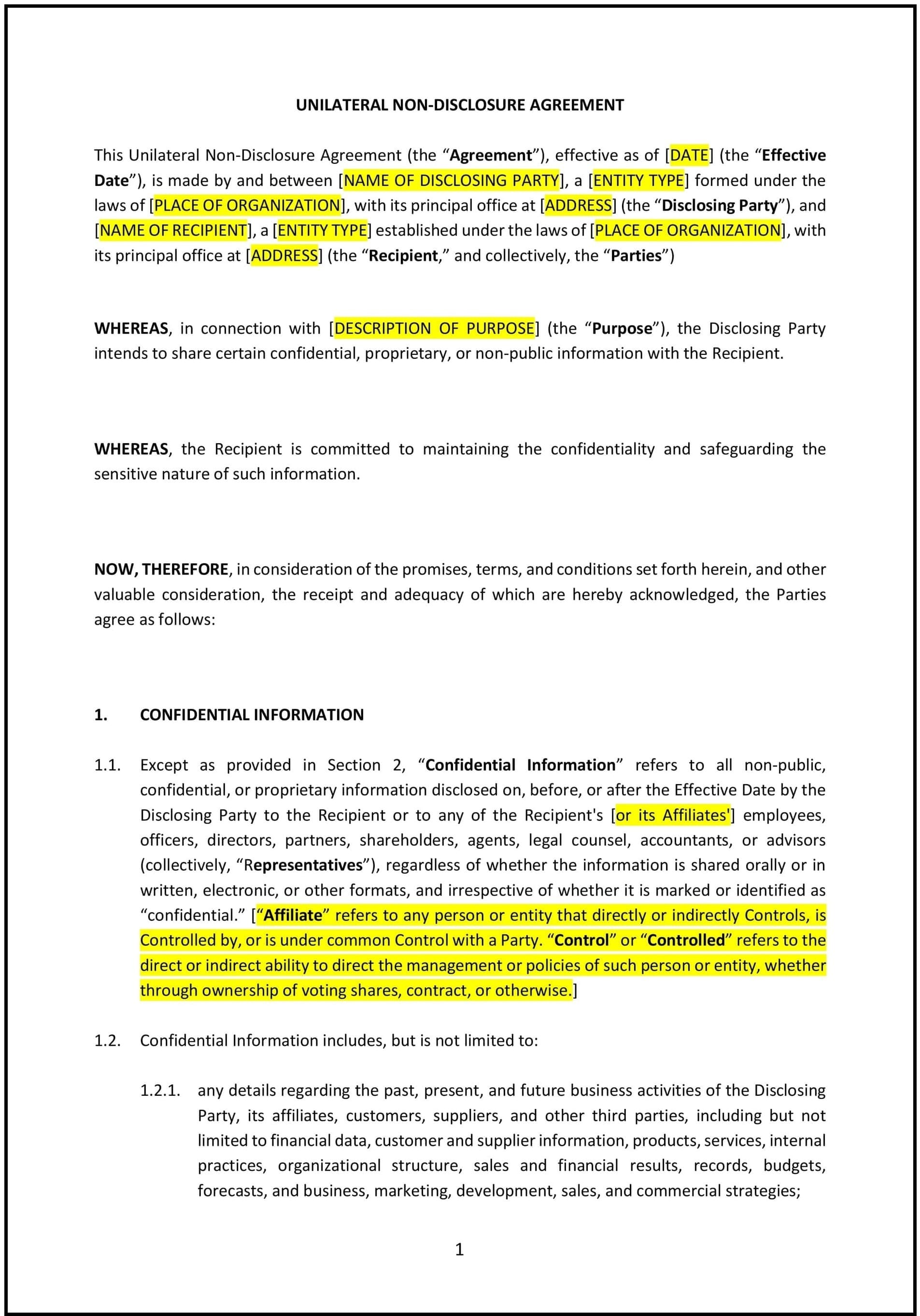
Learn about Montana's unilateral NDA, protecting business secrets with tips for drafting effective agreements and ensuring legal compliance.
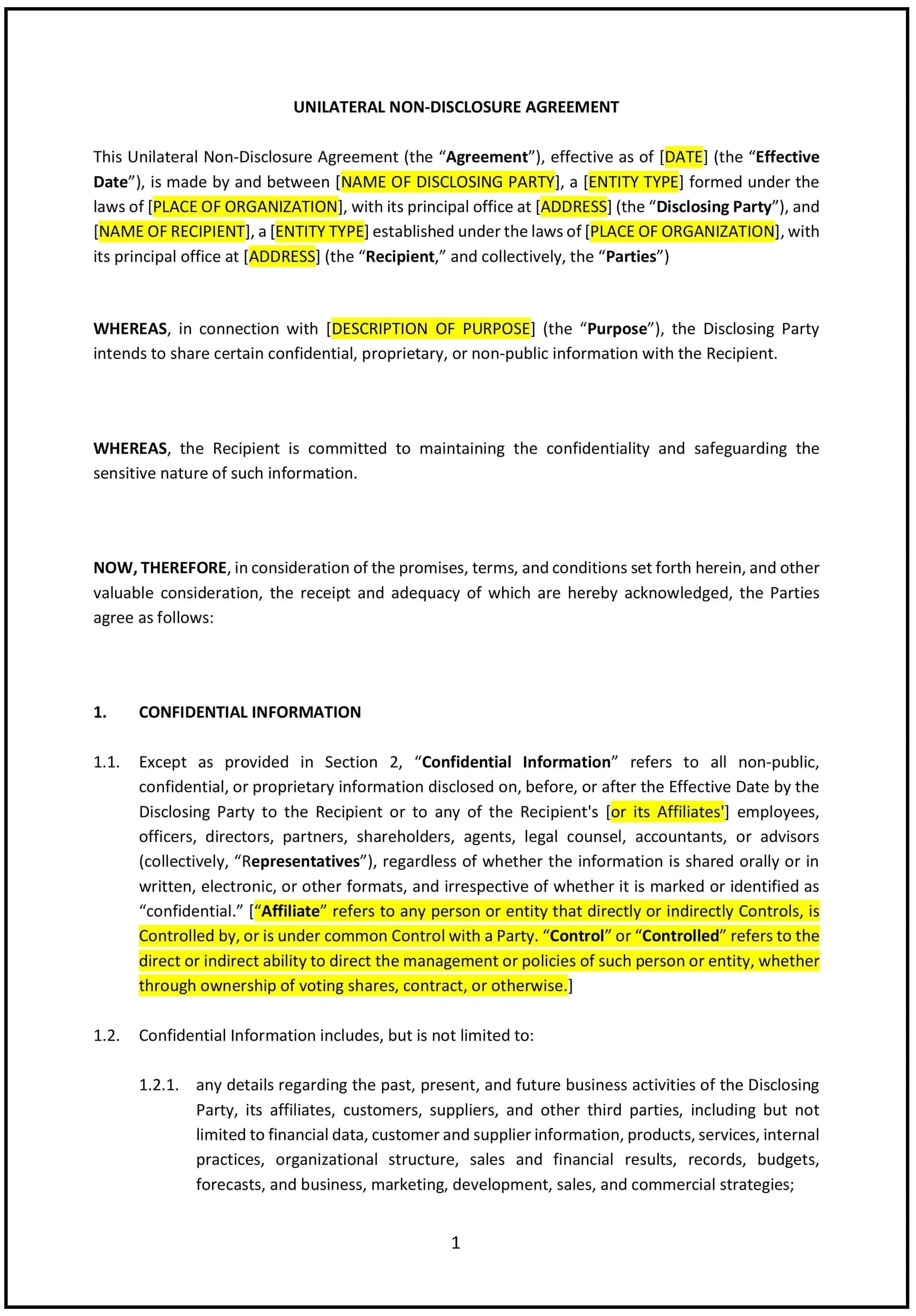
Defines a unilateral confidentiality agreement under Arizona law, outlining obligations, scope, duration, permitted uses, remedies, and jurisdiction.
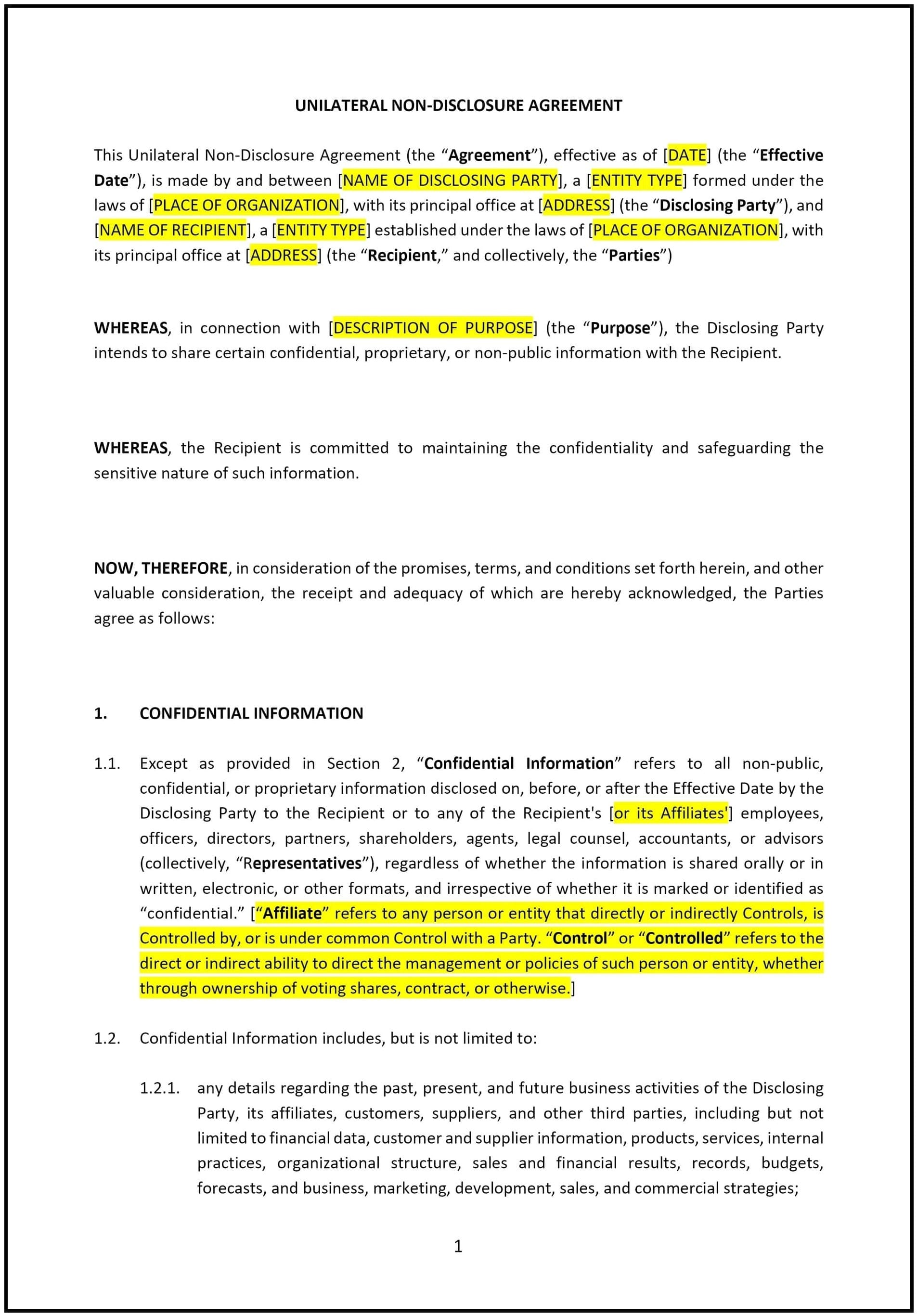
Defines confidentiality obligations for one party receiving sensitive information in Alaska, covering scope, use, duration, remedies, and governing law.