Non-Disclosure Agreement (Mutual) (Wyoming): Free template
Customize it in Cobrief, send it for signature, and move straight to payment once it's approved.
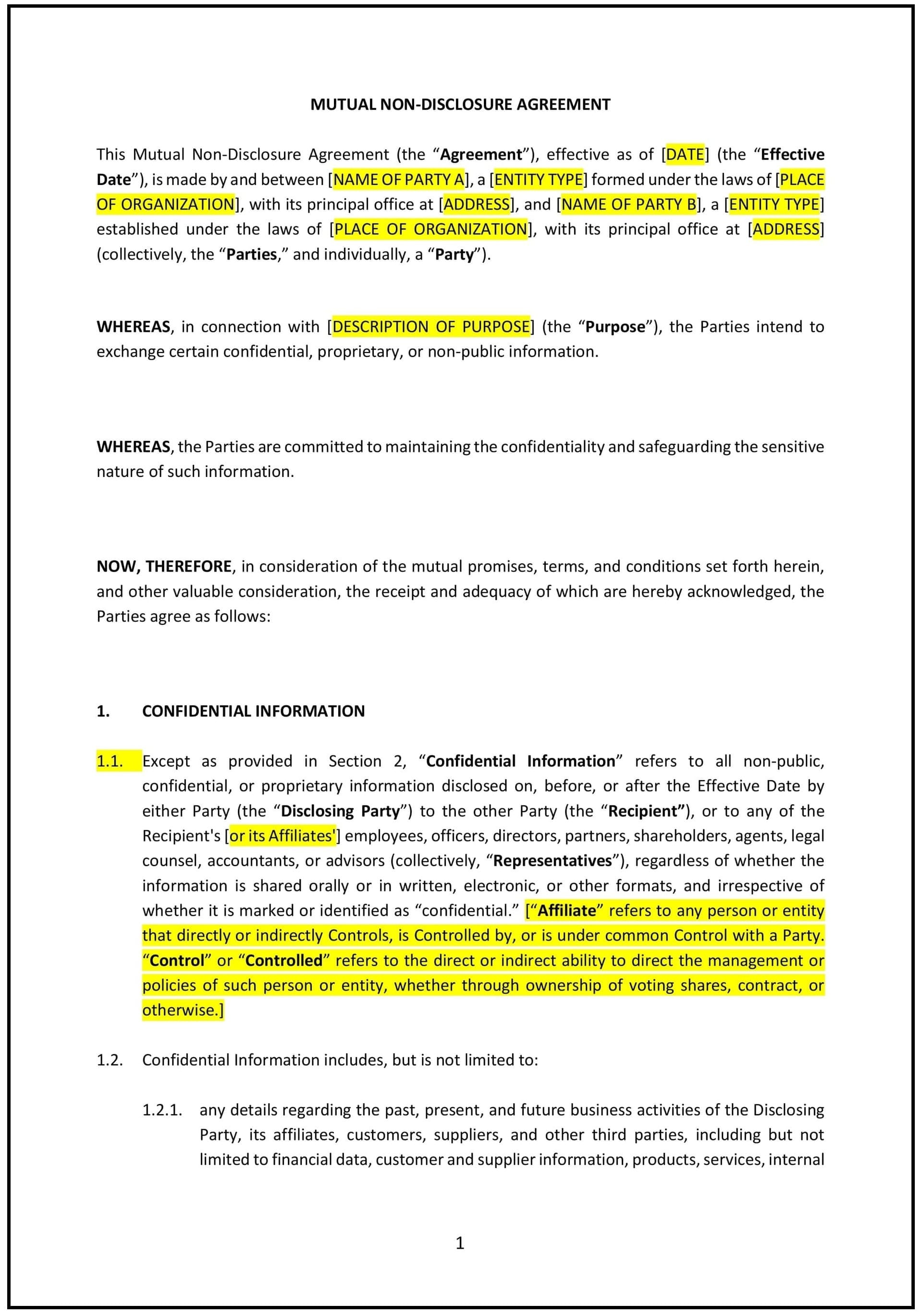
Customize this template for free
TL;DR
A mutual non-disclosure agreement tailored for use in Wyoming, designed to protect the confidential information of both parties involved in business partnerships or collaborations. It outlines the obligations of each party regarding proprietary data and trade secrets, ensuring compliance with state laws like the Wyoming Uniform Trade Secrets Act. Commonly utilized by businesses in sectors such as technology and healthcare, it fosters trust in sensitive information exchanges.
Non-Disclosure Agreement (Mutual) (Wyoming)
A Mutual Non-Disclosure Agreement (NDA) is a legally binding contract where both parties agree to protect each other’s confidential information. In Wyoming, this type of agreement is commonly used in business partnerships, joint ventures, and collaborations where sensitive information is exchanged. A Mutual NDA ensures that neither party can disclose or misuse the other’s proprietary data, trade secrets, or business strategies.
Wyoming’s business-friendly environment, with no corporate income tax and low regulatory burdens, makes it an attractive state for partnerships and collaborations. However, businesses must ensure compliance with state-specific laws, such as Wyoming’s contract enforcement rules and the Wyoming Uniform Trade Secrets Act (WUTSA). A well-drafted Mutual NDA protects both parties’ interests and fosters trust in business relationships.
For example, two tech startups in Wyoming might use a Mutual NDA to share product development plans, while a manufacturing company and a supplier might use it to protect proprietary processes. A Mutual NDA is particularly useful in industries like energy, technology, and healthcare, where sensitive information is often exchanged.
Tips for drafting and maintaining a Mutual Non-Disclosure Agreement in Wyoming
- Define confidential information clearly: Specify what constitutes confidential information for both parties. For example, include categories like business plans, financial data, customer lists, and technical specifications. Avoid vague language to prevent disputes.
- Include mutual obligations: Ensure both parties are equally obligated to protect each other’s confidential information. This creates a balanced agreement that fosters trust and collaboration.
- Set a reasonable duration: Wyoming courts may reject NDAs with indefinite confidentiality periods. Specify a time frame (e.g., 2-5 years) that is reasonable based on the nature of the information.
- Address permitted disclosures: Outline situations where disclosure is allowed, such as in response to a court order, government investigation, or legal requirement. This helps prevent unintended breaches.
- Comply with Wyoming laws: Ensure the NDA adheres to Wyoming’s contract laws and the Wyoming Uniform Trade Secrets Act (WUTSA). This ensures enforceability and protects trade secrets.
- Regularly review and update: Periodically update the agreement to reflect changes in the scope of the relationship or business needs. For example, if the parties begin sharing additional types of information, amend the NDA to include these.
Frequently asked questions (FAQs)
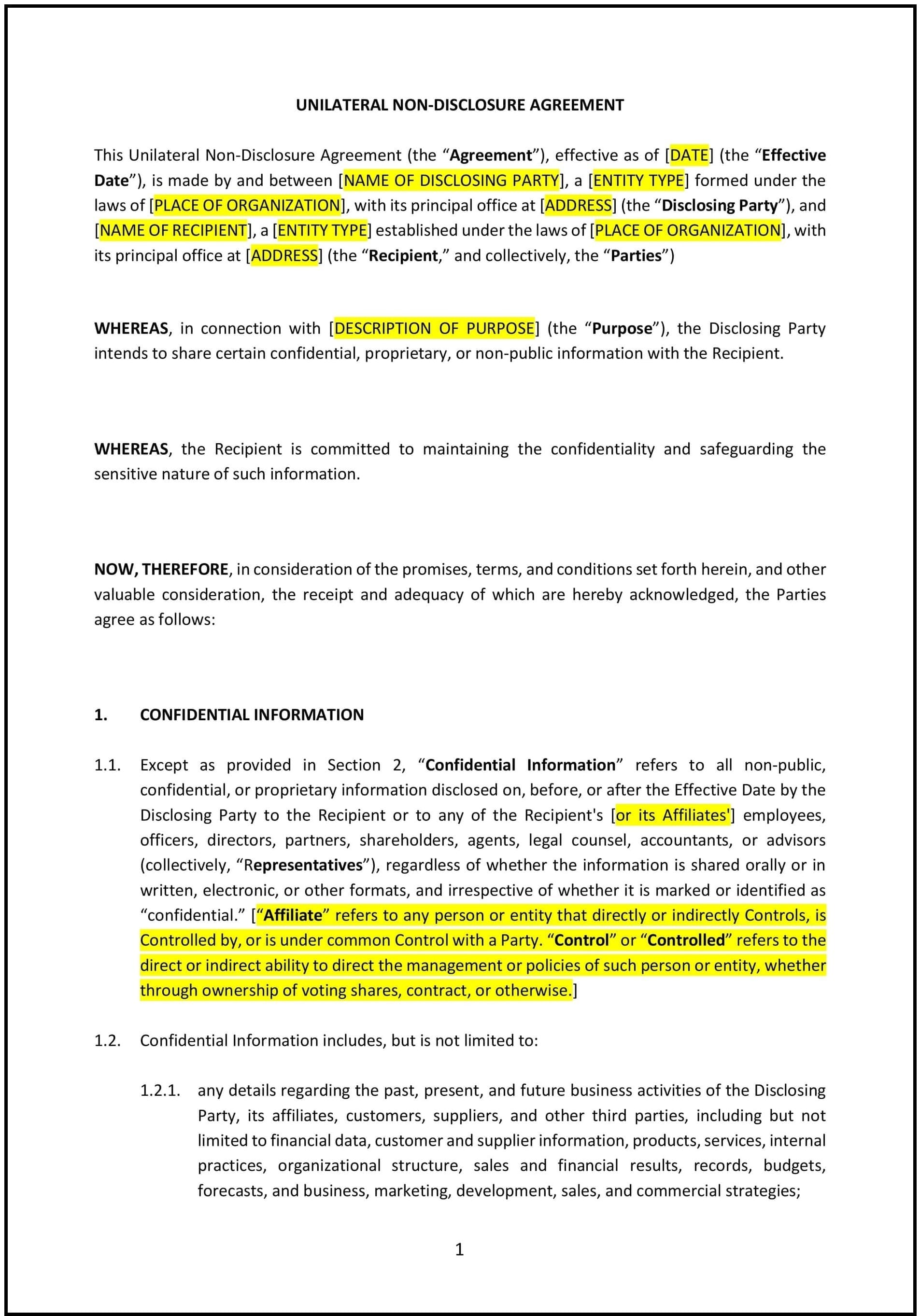
Defines a unilateral agreement protecting confidential information in Wyoming, detailing obligations, duration, permitted disclosures, and legal compliance.
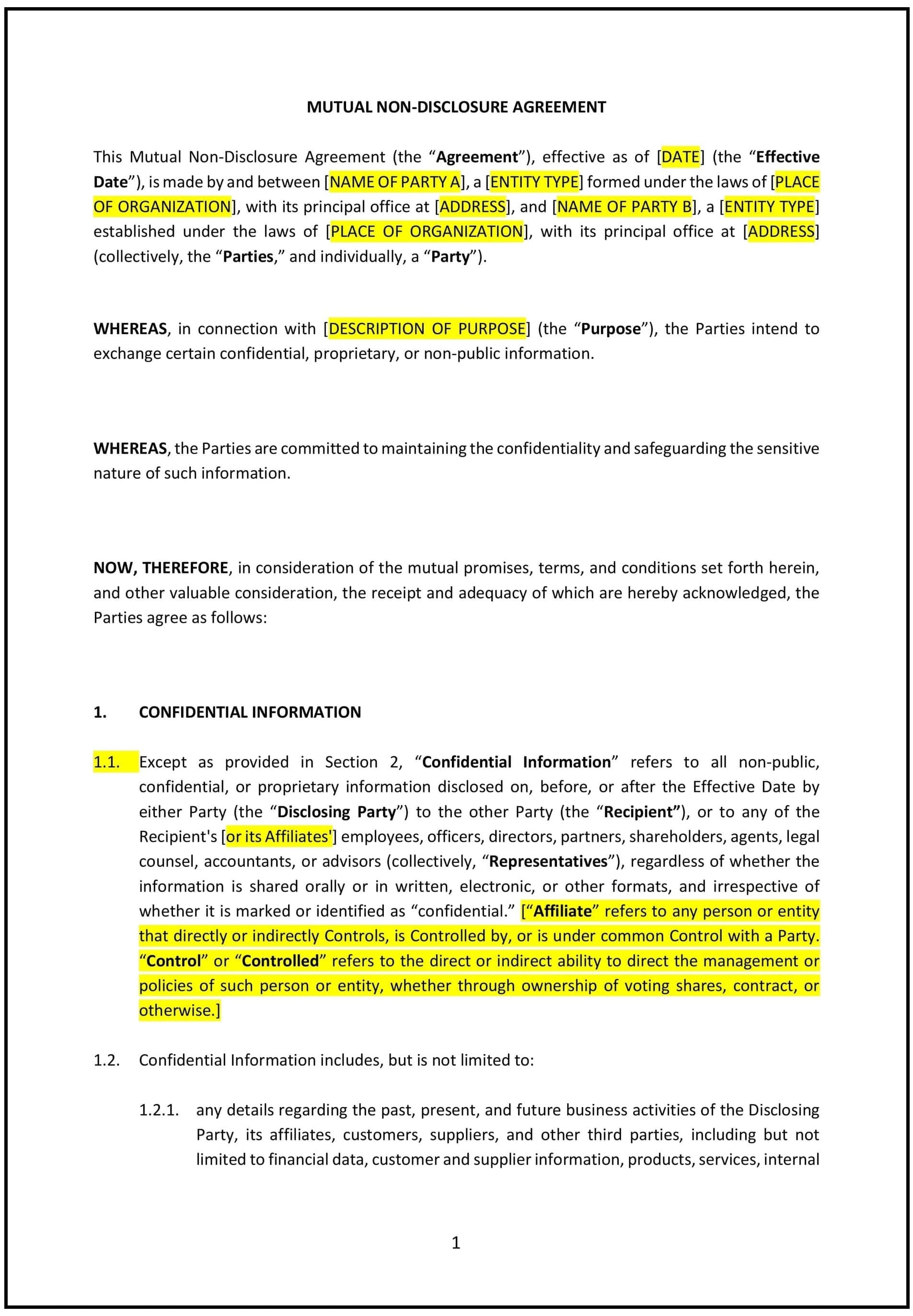
Establishes mutual confidentiality obligations, defining confidential info, usage scope, duration, remedies, and Arizona-specific legal requirements.
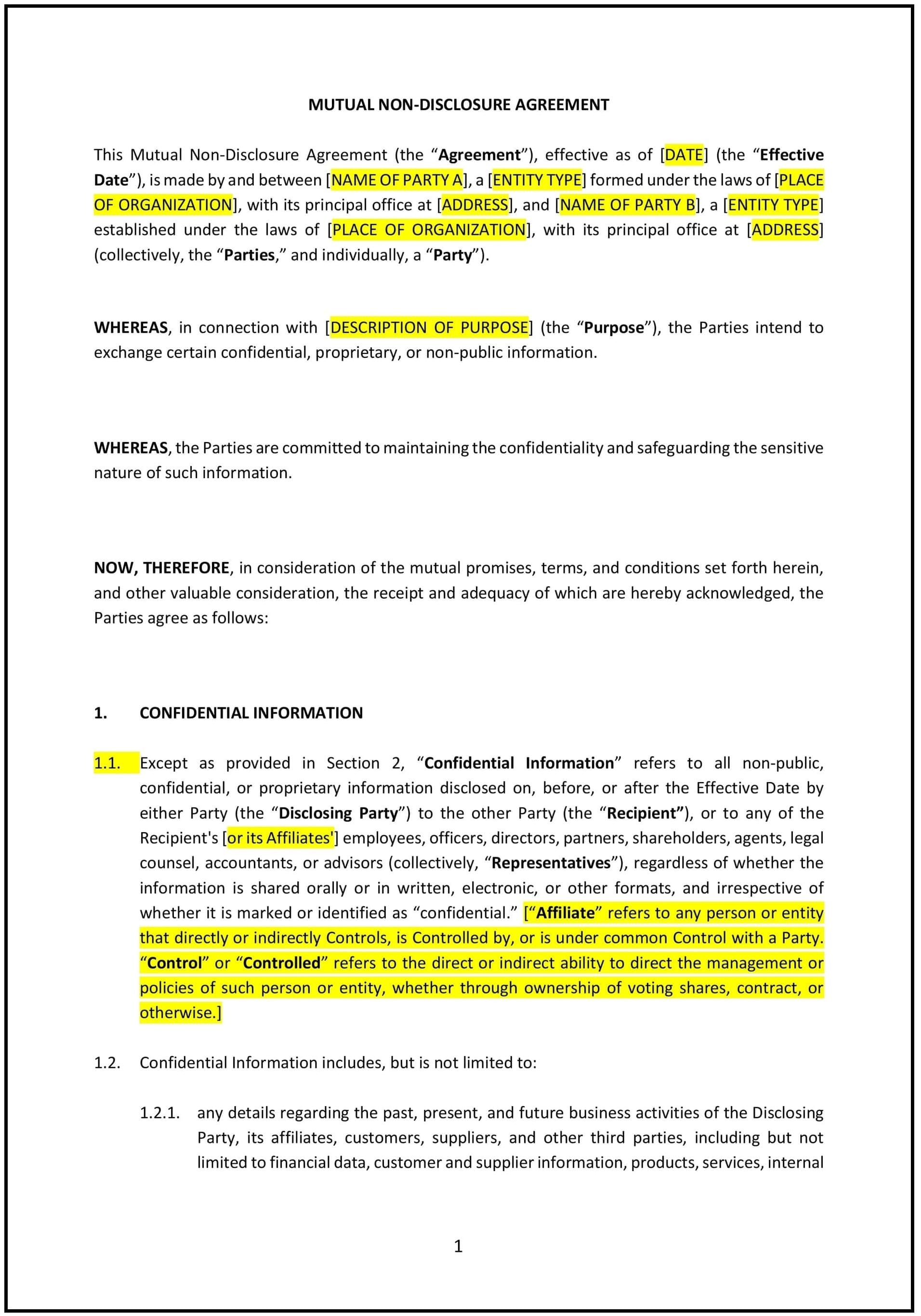
Learn how a Mutual Non-Disclosure Agreement in West Virginia safeguards confidential business info, with tips for compliance and enforceability under WV law.
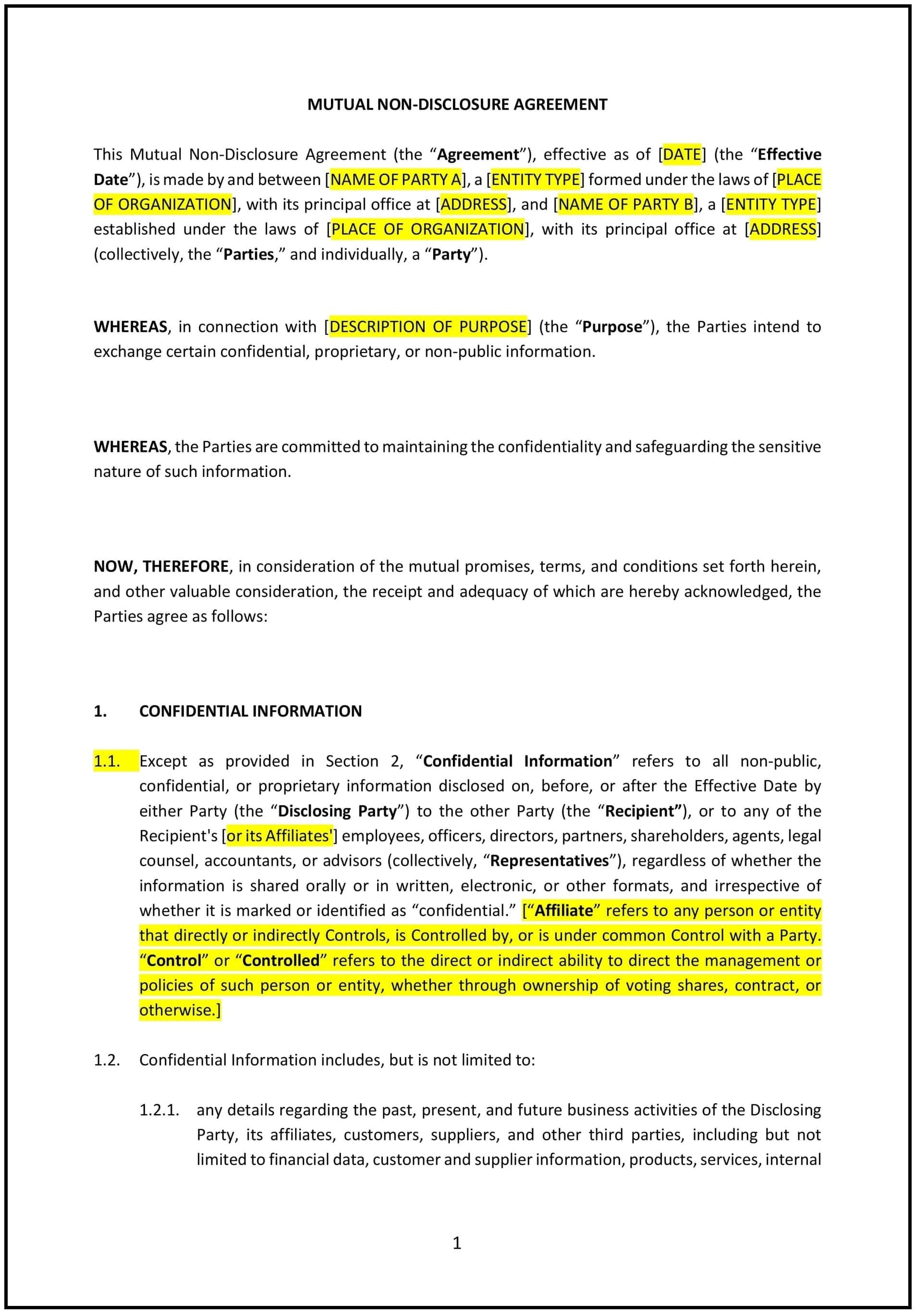
Establishes mutual confidentiality obligations in North Dakota, defining protected information, duration, permitted disclosures, and breach remedies.
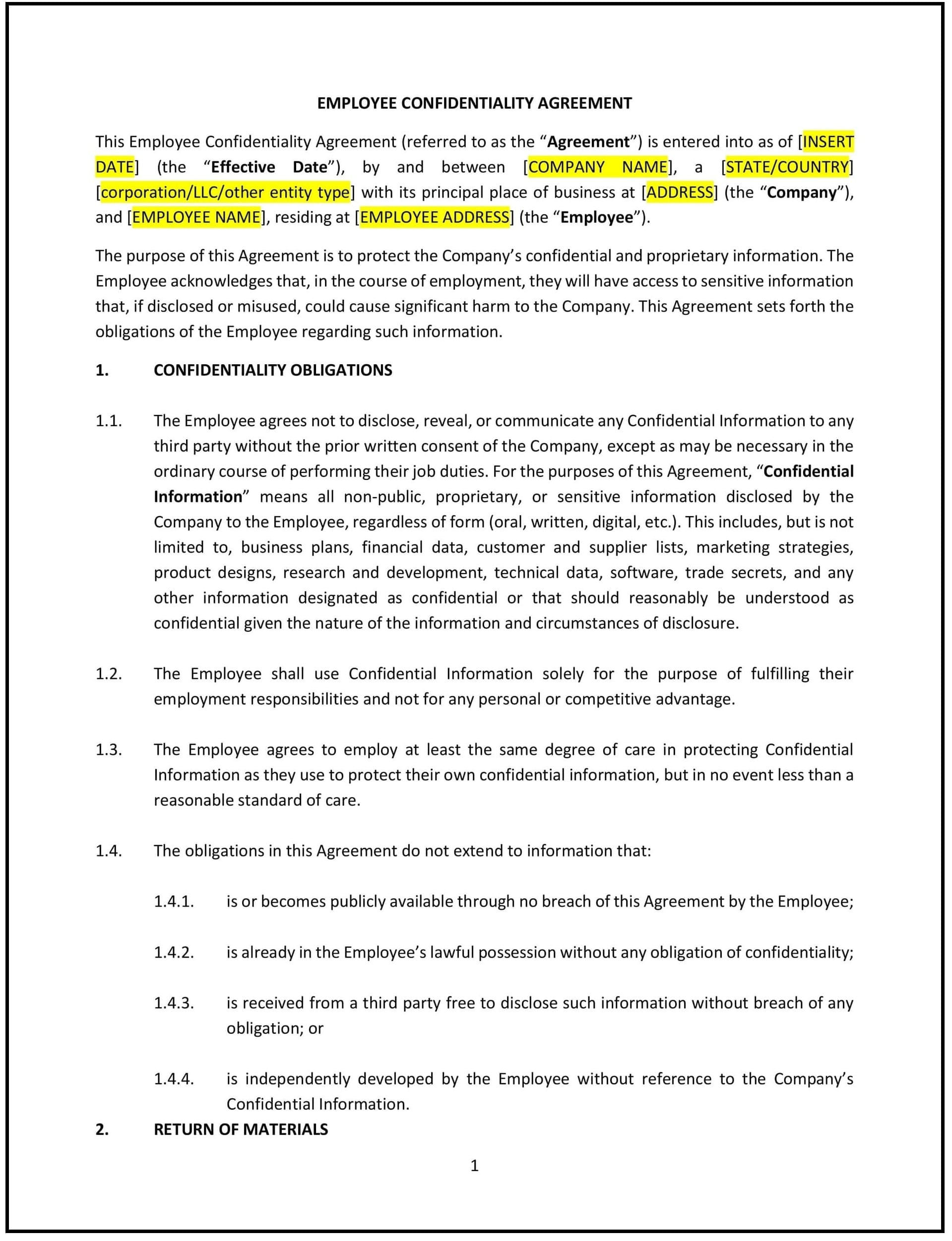
Establishes employee confidentiality in Wyoming, defining protected information, use limits, intellectual property rights, and legal remedies.