Non-Disclosure Agreement (Mutual) (Arizona): Free template
Customize it in Cobrief, send it for signature, and move straight to payment once it's approved.
Customize this template for free
TL;DR
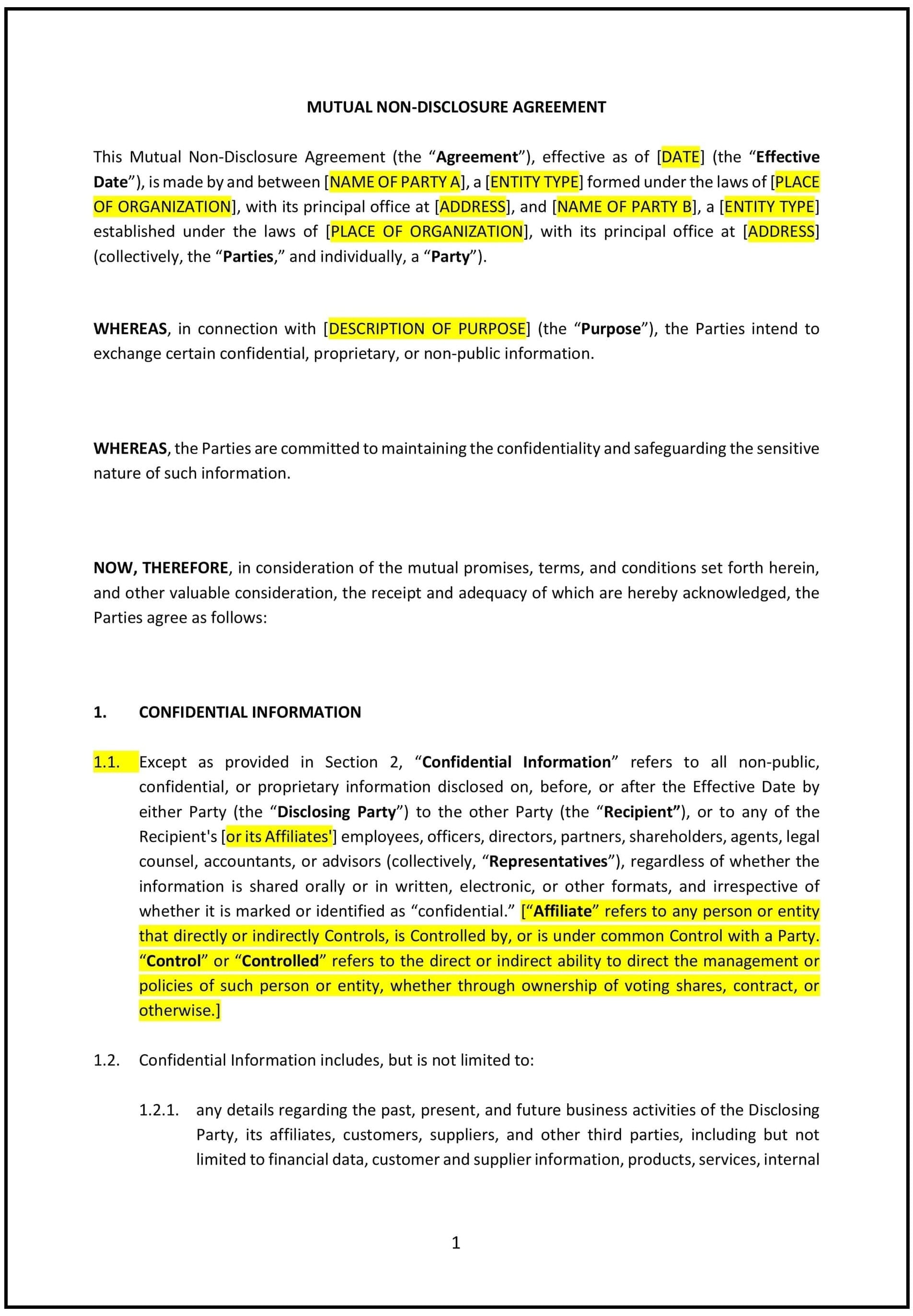
A mutual Non-Disclosure Agreement tailored for use in Arizona, designed to protect confidential information exchanged between parties during business negotiations and collaborations. It outlines key elements such as the definition of confidential information, permitted uses, and legal recourse for breaches, making it essential for businesses in Arizona to maintain trust and safeguard sensitive data.
Non-Disclosure Agreement (Mutual) (Arizona)
A Non-Disclosure Agreement (Mutual) in Arizona is a contract that ensures both parties keep shared confidential information private. This agreement is commonly used in business negotiations, partnerships, and collaborations where sensitive information, such as trade secrets, financial data, or proprietary technology, is exchanged between parties.
Businesses in Arizona use this agreement to protect valuable business information and maintain trust between parties. It helps prevent unauthorized disclosures and provides legal recourse if confidential information is misused.
Tips for drafting and maintaining a Non-Disclosure Agreement (Mutual) in Arizona
- Clearly define what constitutes confidential information, including exclusions such as publicly available data or information independently developed, to avoid ambiguity and ensure enforceability under Arizona law.
- Specify the purpose for which the confidential information can be used, ensuring both parties understand the scope of permitted disclosure and use.
- Include Arizona-specific considerations, such as compliance with data privacy laws (e.g., Arizona Revised Statutes § 44-7501) if sensitive personal or financial information is involved.
- Set a reasonable duration for confidentiality obligations, as Arizona courts may invalidate agreements with indefinite or excessively long terms.
- Ensure mutual protection by clearly outlining the rights and responsibilities of both parties, avoiding language that favors one side disproportionately.
- Add provisions for returning or destroying confidential materials upon termination of the agreement to safeguard sensitive information.
- Include remedies for breach, such as injunctive relief or monetary damages, to provide recourse in case of unauthorized disclosure.
- Specify that Arizona law governs the agreement and designate Arizona courts as the jurisdiction for disputes to streamline enforcement.
- Address exceptions to confidentiality, such as legally required disclosures, to align with Arizona’s legal standards and prevent conflicts.
- Use clear and concise language to ensure the agreement is easy to understand and enforceable, avoiding overly technical or vague terms that could lead to misinterpretation.
Frequently asked questions (FAQs)
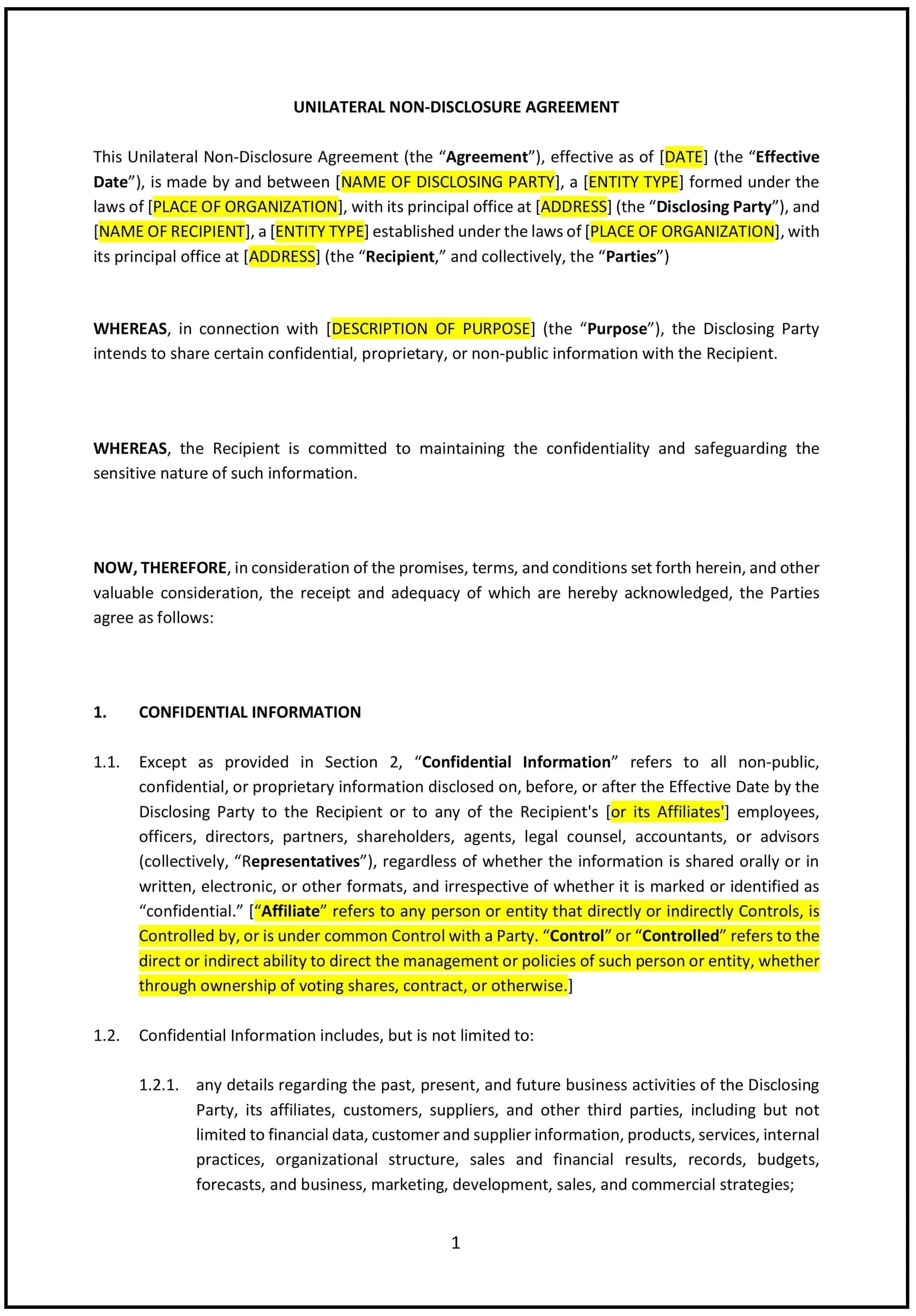
Defines a unilateral confidentiality agreement under Arizona law, outlining obligations, scope, duration, permitted uses, remedies, and jurisdiction.
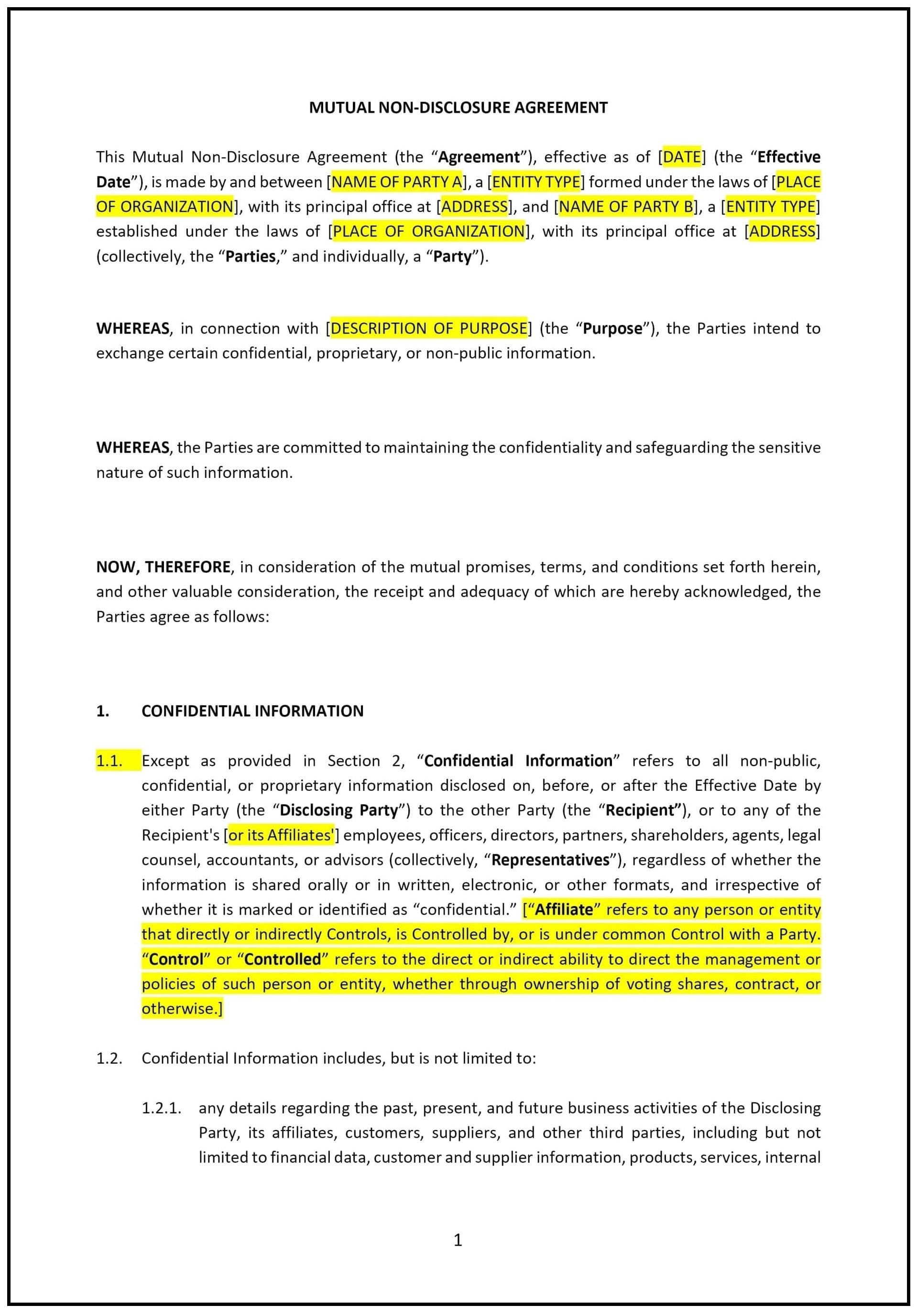
Establishes mutual confidentiality obligations, defining scope, exclusions, permitted uses, duration, remedies, and governing law under Alaska law.
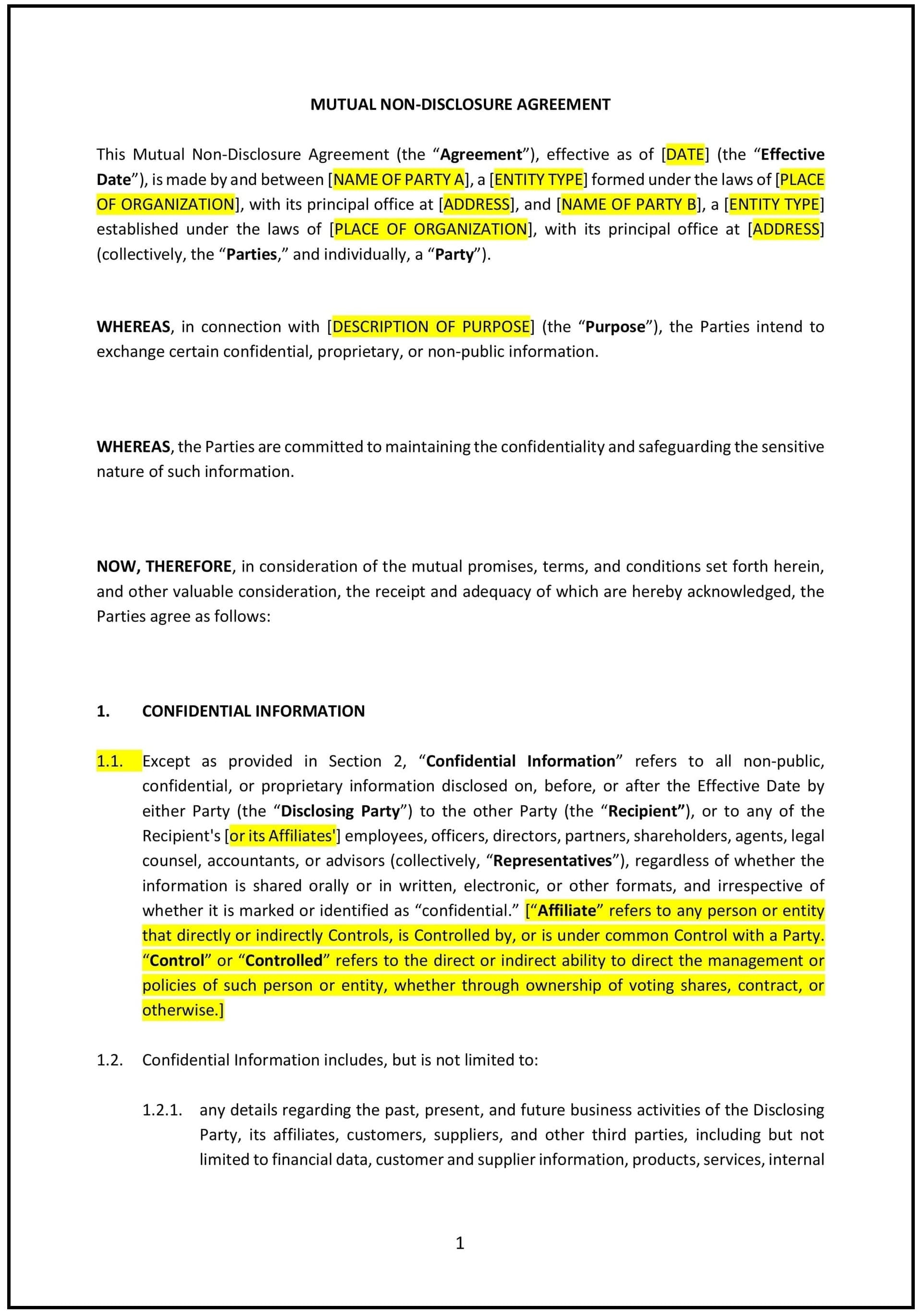
Establishes mutual confidentiality obligations, defining protected information, permitted disclosures, duration, and compliance with Wyoming laws.
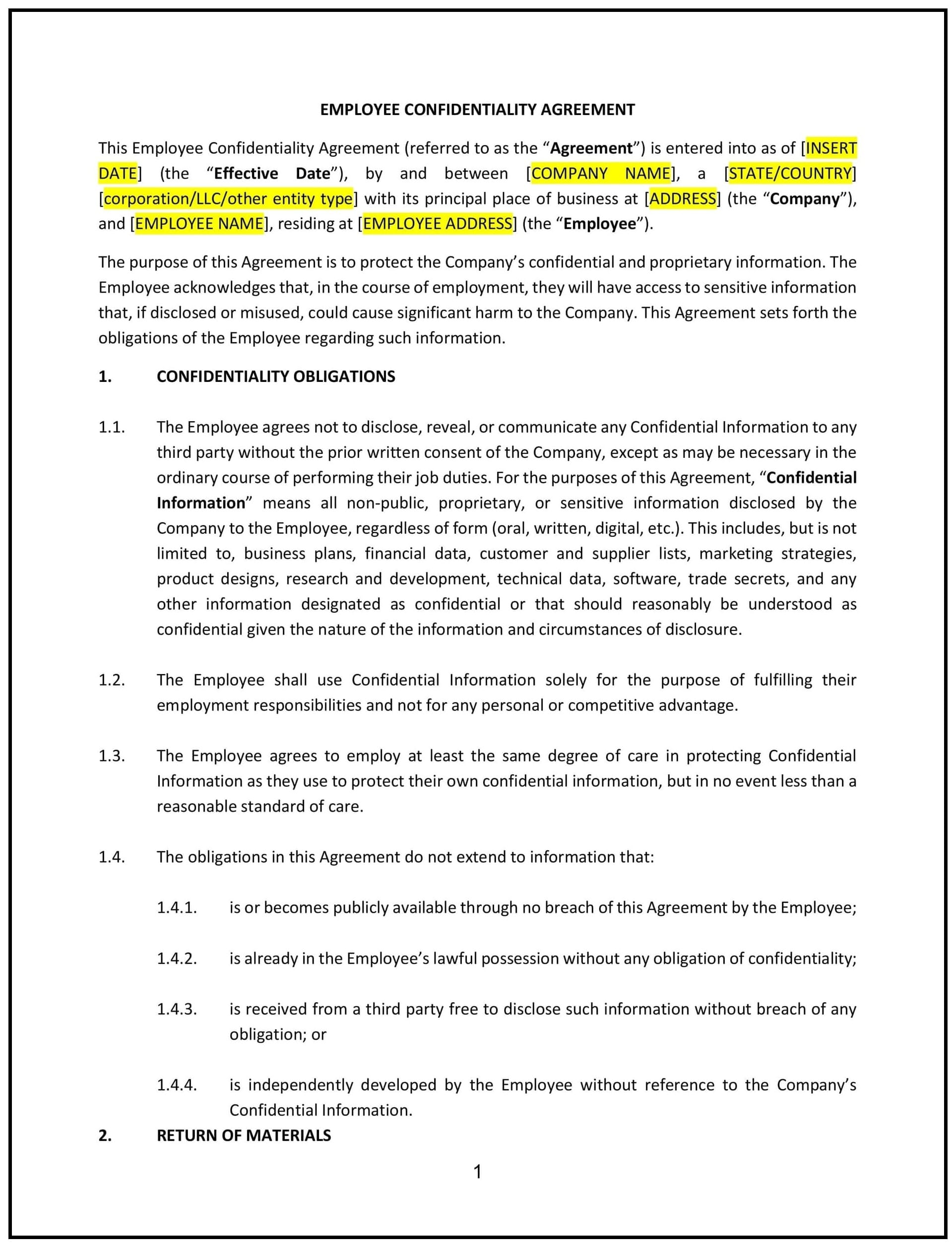
Establishes employee confidentiality in Arizona, detailing protected info, exclusions, use limits, intellectual property rights, liability, and governing law.
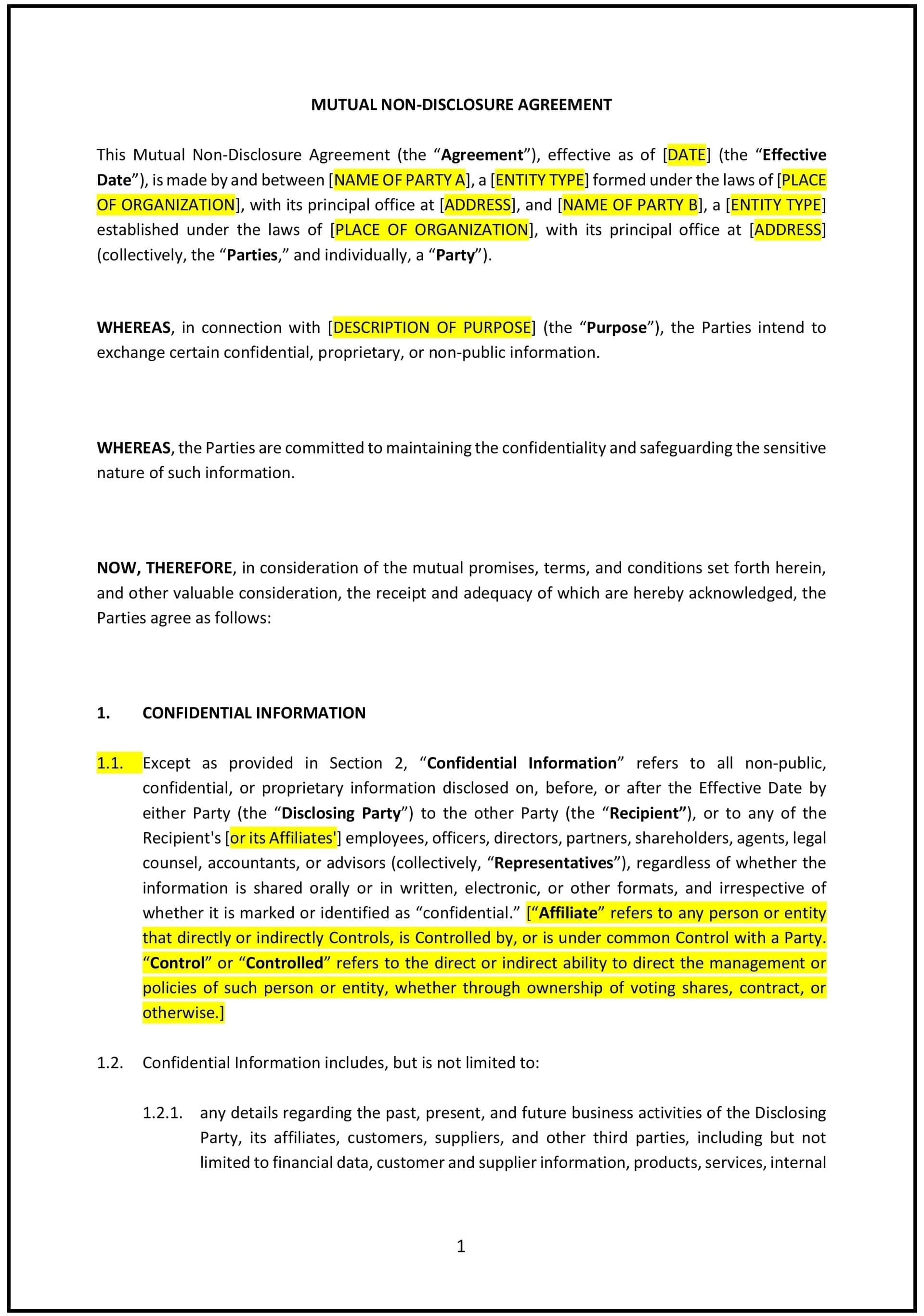
Establishes mutual confidentiality in Massachusetts, defining protected information, disclosure limits, duration, and remedies for breaches.