Customize it in Cobrief, send it for signature, and move straight to payment once it's approved.
Customize this template for free
TL;DR
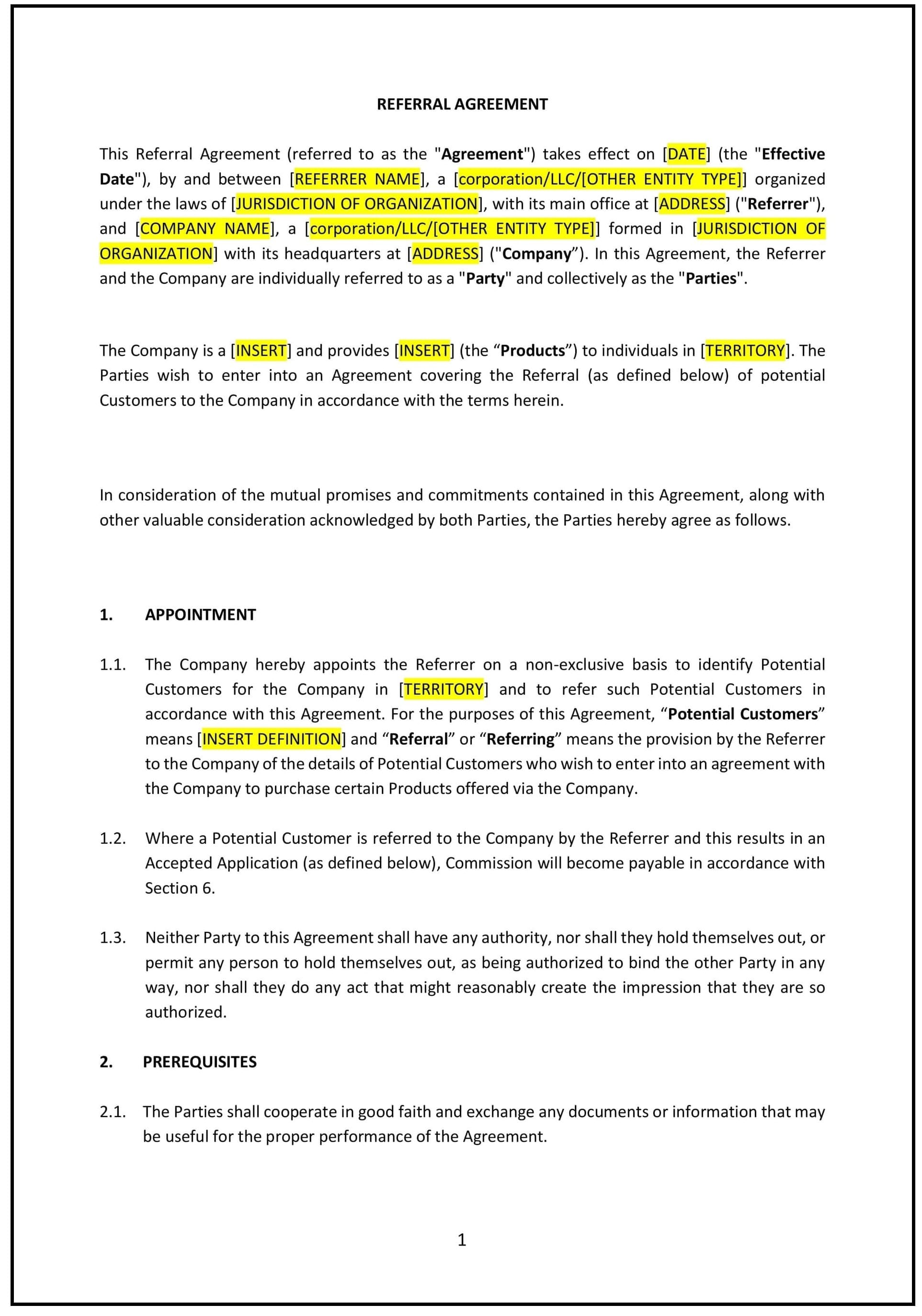
A legally binding Referral Agreement for businesses in Tennessee that outlines the terms for referring potential customers in exchange for compensation. It details the referral process, commission structure, and compliance with state laws, making it essential for industries like real estate and consulting to formalize referral relationships and prevent disputes.
Referral Agreement (Tennessee)
A Referral Agreement in Tennessee is a legally binding contract between a business and an individual or entity that refers potential customers in exchange for compensation. This agreement ensures both parties understand the referral process, commission structure, and any applicable restrictions. It is commonly used in industries such as real estate, consulting, technology, and professional services, where businesses rely on third-party referrals to generate leads.
Tennessee businesses use referral agreements to formalize referral relationships, avoid disputes over commissions, and ensure compliance with state contract laws. A well-drafted agreement protects both the business and the referrer by clearly outlining commission rates, payment schedules, and the conditions that must be met before a referral is considered successful.
For businesses operating in Tennessee, this agreement helps create structured and legally enforceable referral arrangements, reducing the risk of non-payment, disputes over commission eligibility, and unauthorized solicitation of clients. Some industries, such as real estate and healthcare, may have additional regulations governing referral fees, and businesses should ensure their agreements comply with Tennessee law.
Tips for drafting and maintaining a Referral Agreement in Tennessee
- Clearly define what qualifies as a successful referral to prevent disputes over commissions or payments. The agreement should specify whether a referral is considered successful upon lead conversion, contract signing, or full payment.
- Specify payment terms, including commission percentages, invoicing procedures, and timelines for payouts. Tennessee law requires certain industries, such as real estate, to follow strict commission payment guidelines.
- Clarify whether the agreement is exclusive or non-exclusive, determining if the referrer can work with multiple businesses offering similar services.
- Include confidentiality and non-circumvention clauses to protect business relationships and prevent the referrer from directly engaging with referred clients outside of the agreement.
- Ensure compliance with Tennessee contract laws, including any industry-specific regulations, such as Tennessee’s real estate broker commission laws and federal anti-kickback statutes for healthcare-related referrals.
Frequently asked questions (FAQs)
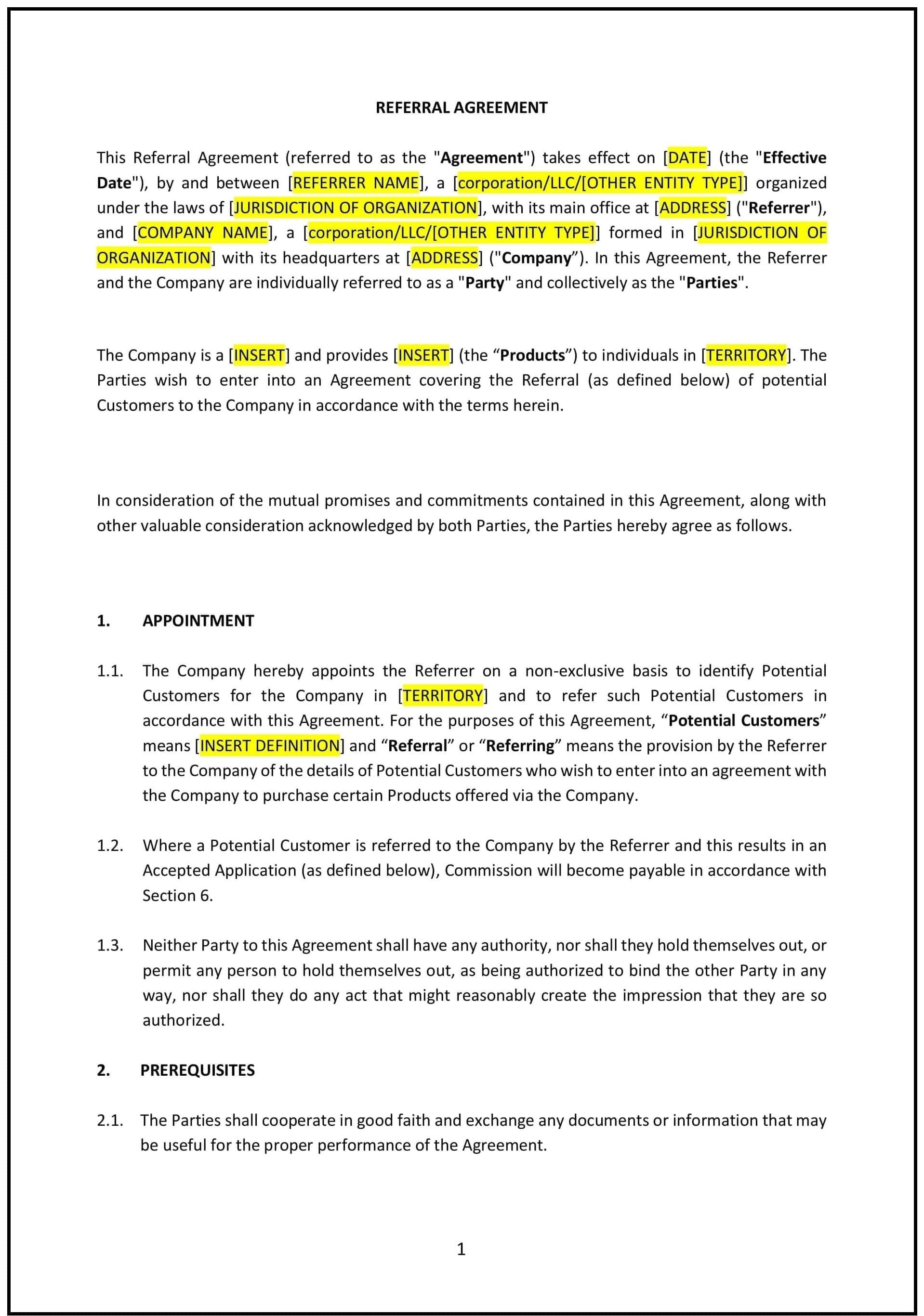
Defines a referral arrangement in Texas, detailing commission structure, payment terms, exclusivity, confidentiality, and legal compliance requirements.
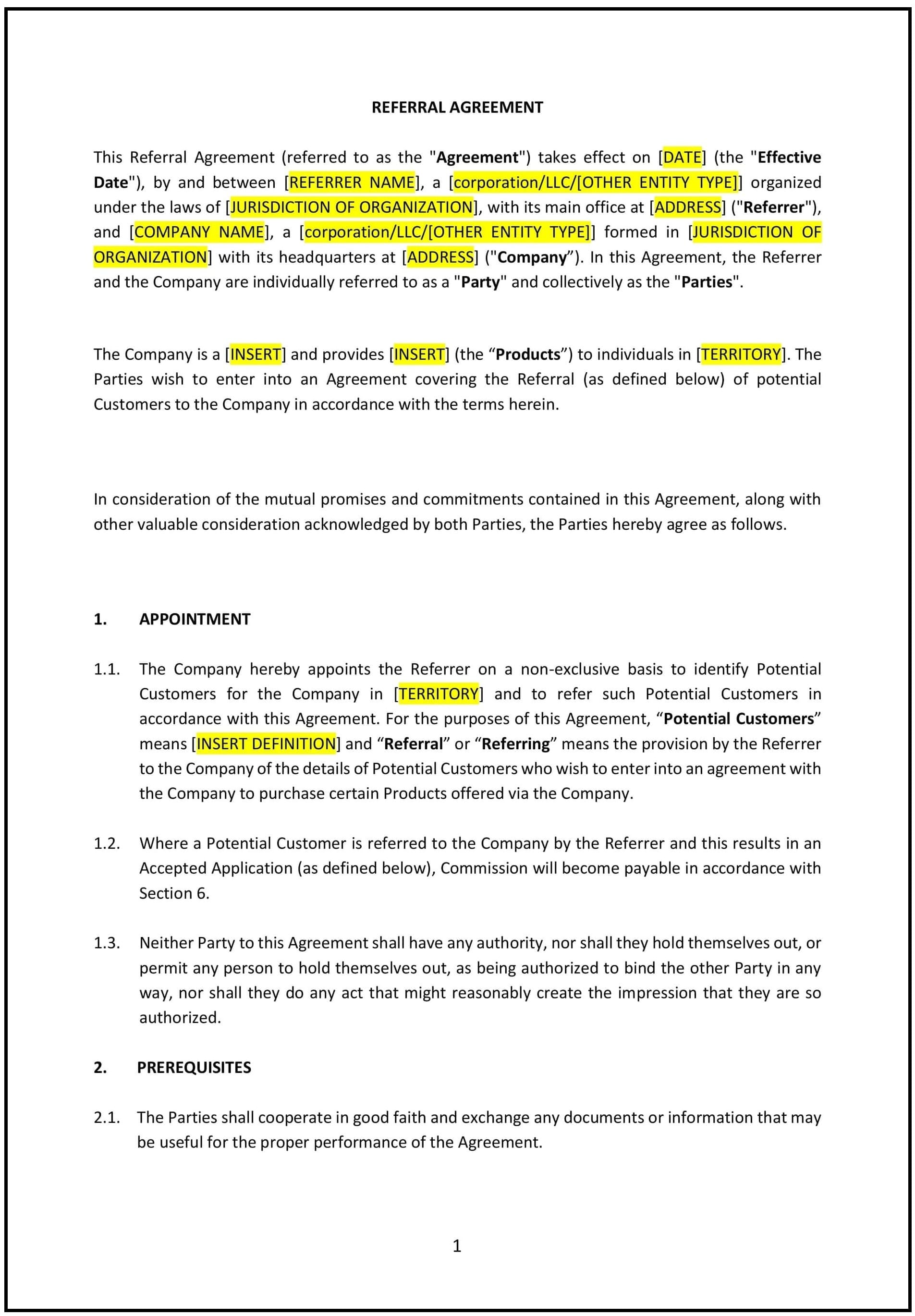
Defines terms for referral relationships in Virginia, detailing commission structure, payment terms, exclusivity, confidentiality, and legal compliance.
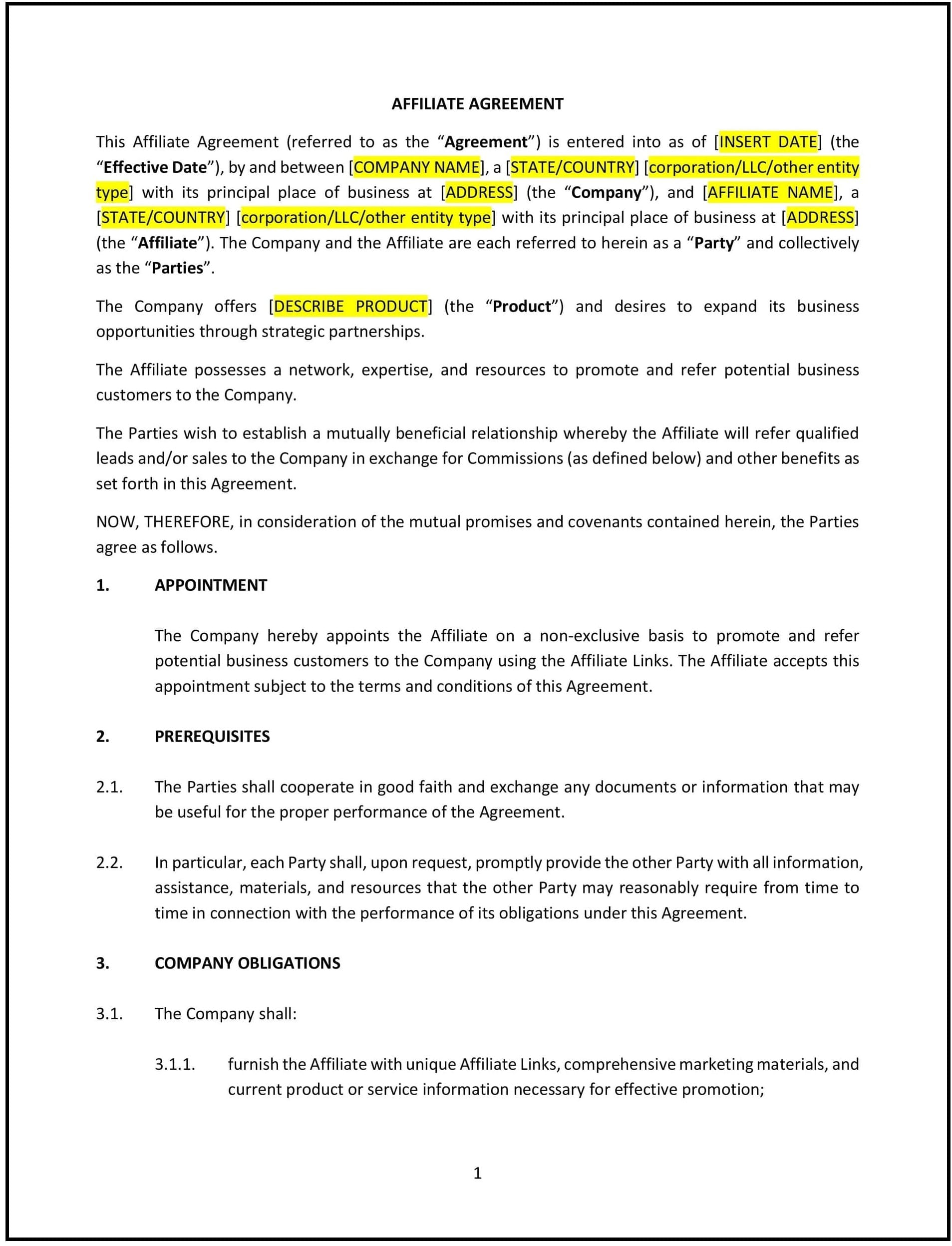
Establishes affiliate marketing terms in Tennessee, covering commissions, promotions, intellectual property, performance, and termination provisions.
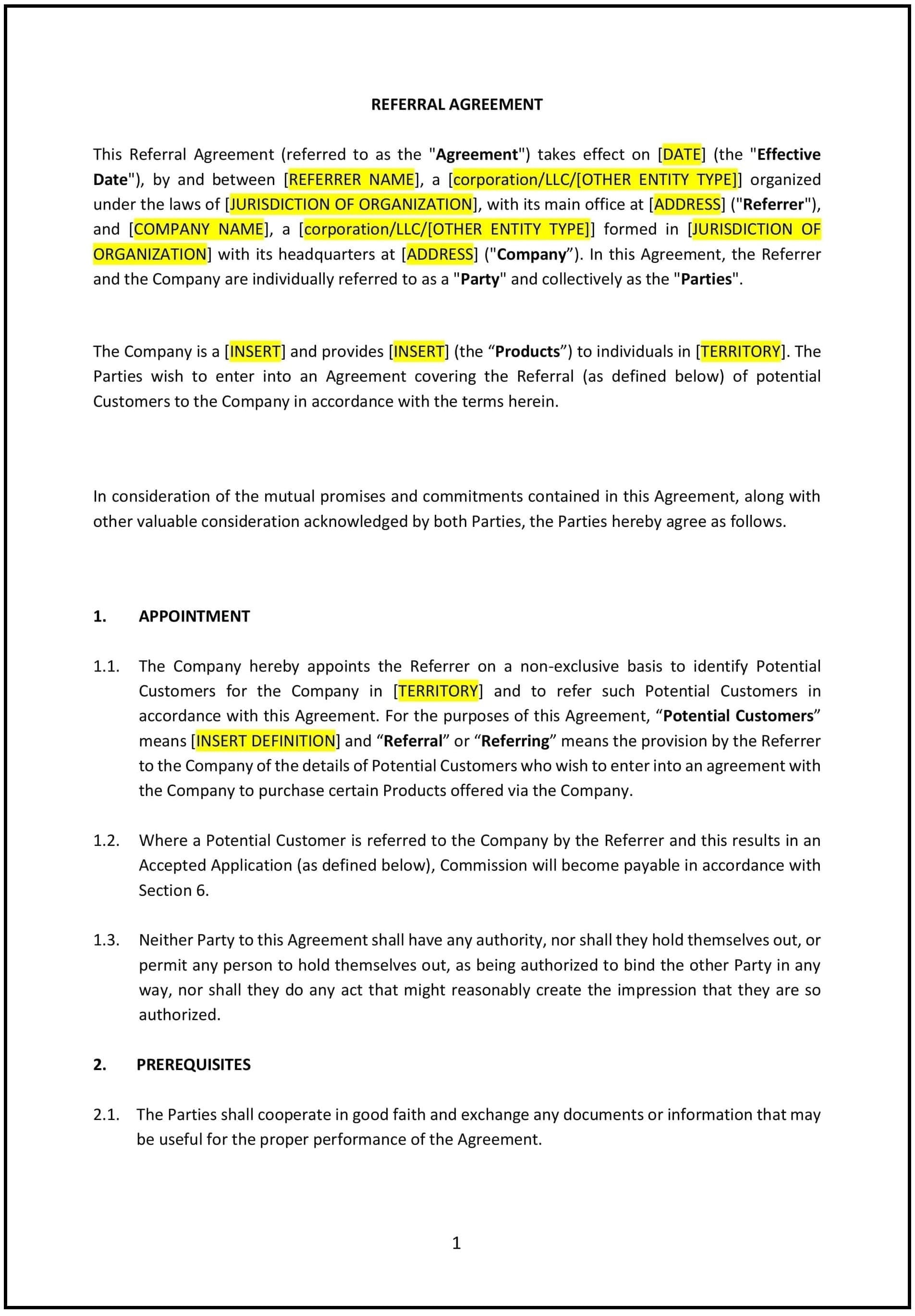
Defines terms for referral relationships in Arizona, covering referral fees, payment schedules, obligations, confidentiality, termination, and governing law.
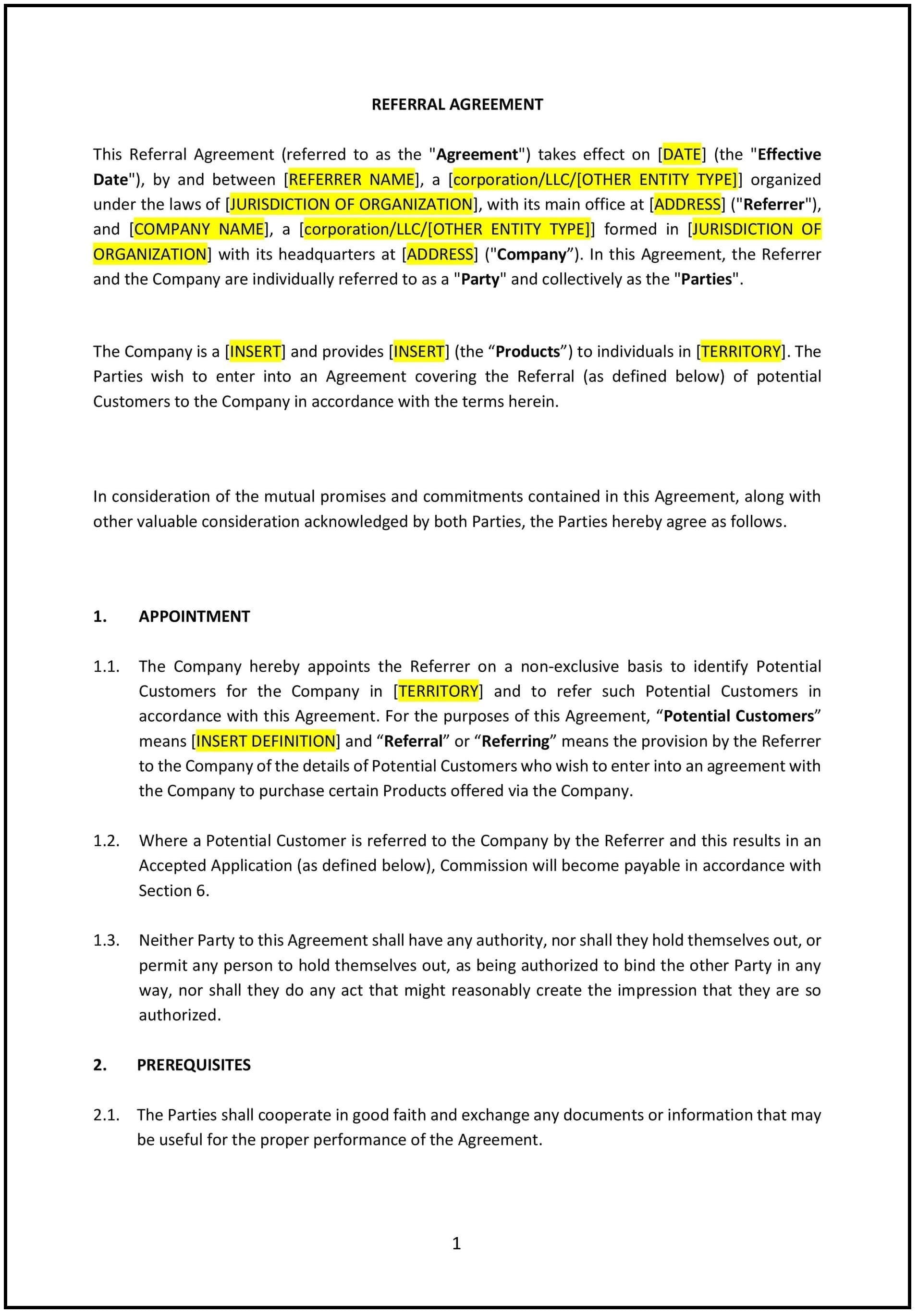
Learn how a Referral Agreement in Alabama protects businesses and referrers by defining fees, payment terms, and obligations for successful referrals.