Website Development Agreement (Kansas): Free template
Customize it in Cobrief, send it for signature, and move straight to payment once it's approved.
Customize this template for free
TL;DR
A legal contract for clients and developers in Kansas that outlines the terms for creating and launching a website. It details the scope of work, payment terms, intellectual property rights, and timelines, ensuring clarity and minimizing disputes. Typically used by small businesses hiring web developers, it helps protect the interests of both parties involved.
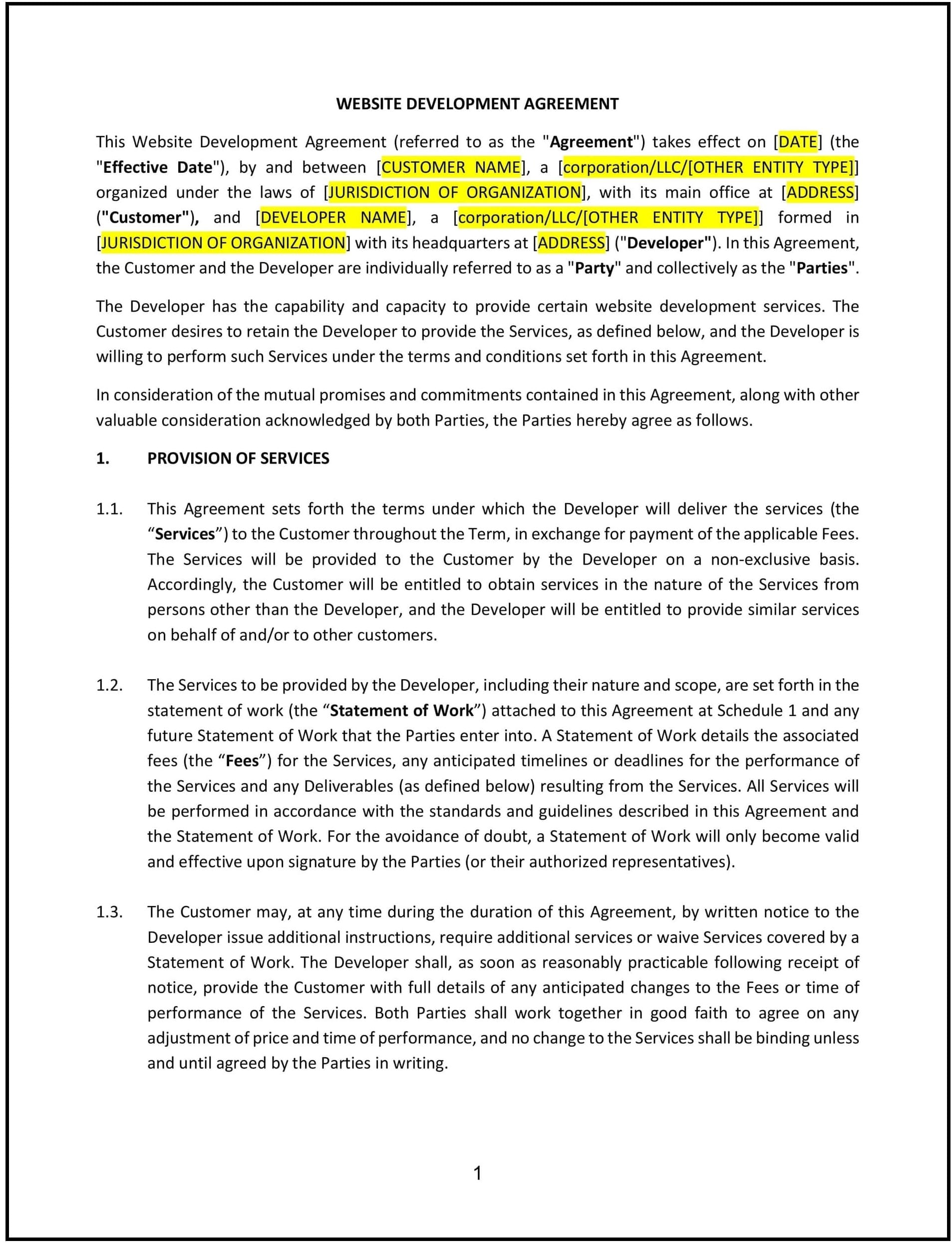
Website Development Agreement (Kansas)
A Website Development Agreement is a legal contract between a client and a developer that outlines the terms and conditions for creating, designing, and launching a website. In Kansas, this agreement must comply with state laws regarding contracts and intellectual property. A well-drafted agreement ensures clarity, minimizes disputes, and protects the interests of both parties.
For example, a small business in Topeka might hire a web developer to create an e-commerce platform. A clear agreement specifies the scope of work, timelines, payment terms, intellectual property rights, and other critical details.
Tips for drafting and maintaining a Website Development Agreement in Kansas
- Identify the parties: Clearly specify the names, contact information, and roles of both the Client and the Developer.
- Example: “This Website Development Agreement is entered into by [Client Name], located at [Address], and [Developer Name], located at [Address].”
- Define the scope of work: Outline the specific tasks and deliverables the Developer will provide.
- Example: “The Developer agrees to design, develop, and launch a fully functional e-commerce website for the Client.”
- Specify the timeline: Define the project timeline, including milestones and deadlines.
- Example: “The project shall be completed within 90 days, with milestones due on [Dates].”
- Address payment terms: Specify the total cost, payment schedule, and any additional fees.
- Example: “The total cost of the project is $10,000, payable in three installments: 50% upfront, 25% upon completion of the design phase, and 25% upon final delivery.”
- Include intellectual property provisions: Specify ownership and usage rights for the website and its content.
- Example: “All intellectual property rights for the website shall transfer to the Client upon full payment.”
- Add revisions and approval processes: Outline the process for reviewing and approving deliverables.
- Example: “The Client may request up to three rounds of revisions for each deliverable.”
- Include confidentiality provisions: Protect sensitive information shared during the project.
- Example: “The Developer agrees to keep all proprietary information disclosed by the Client strictly confidential.”
- Outline governing law and jurisdiction: Ensure the agreement specifies that it is governed by Kansas law and identifies the appropriate courts for dispute resolution.
- Example: “This agreement is governed by the laws of the State of Kansas. Any disputes shall be resolved in the courts of [County], Kansas.”
- Include signatures: Both parties must sign and date the agreement to make it legally binding.
- Example: “IN WITNESS WHEREOF, the parties have executed this Website Development Agreement as of the date first written above.”
Frequently asked questions (FAQs)
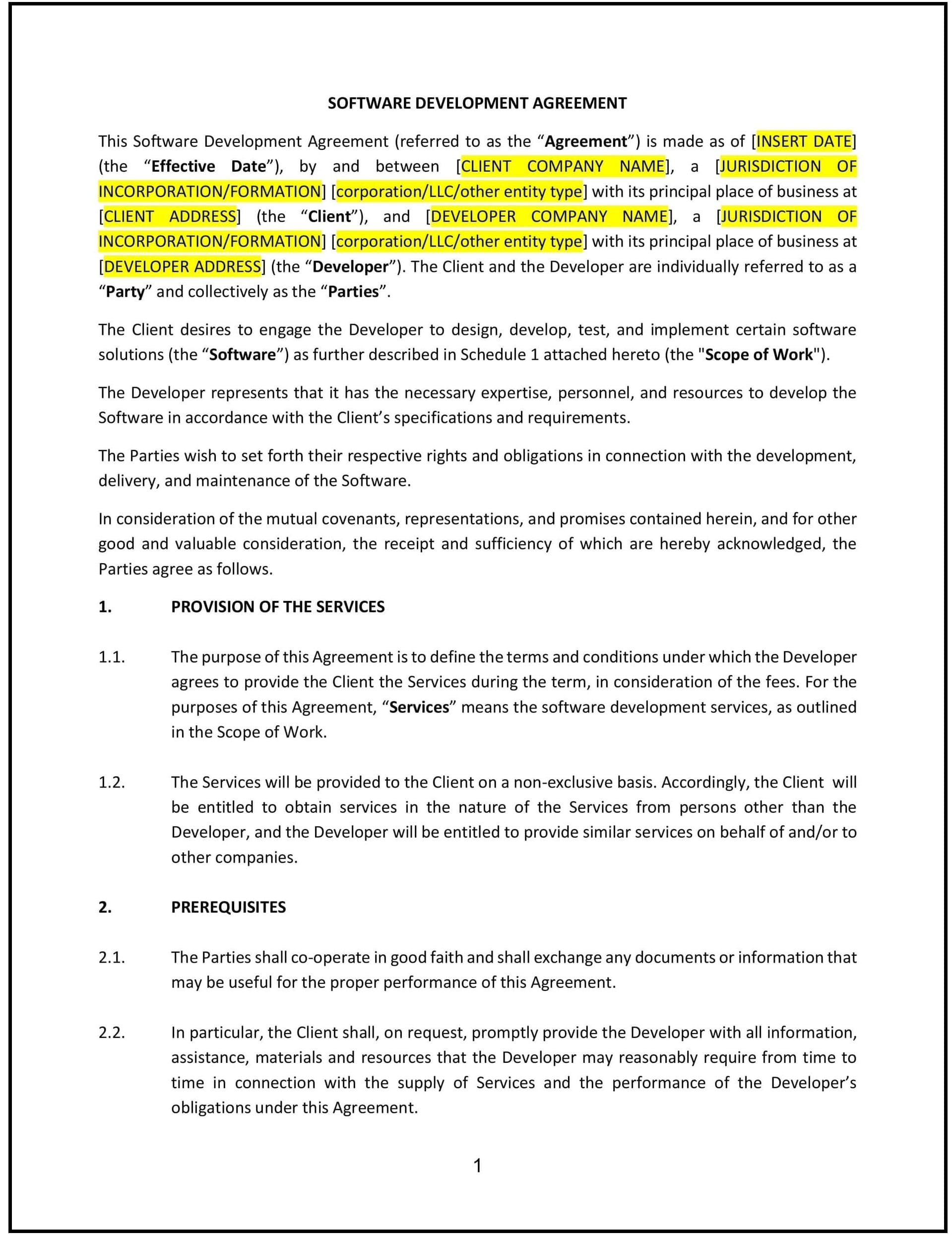
Defines terms for software development in Kansas, covering scope, payment, IP rights, testing, confidentiality, termination, dispute resolution, and support.
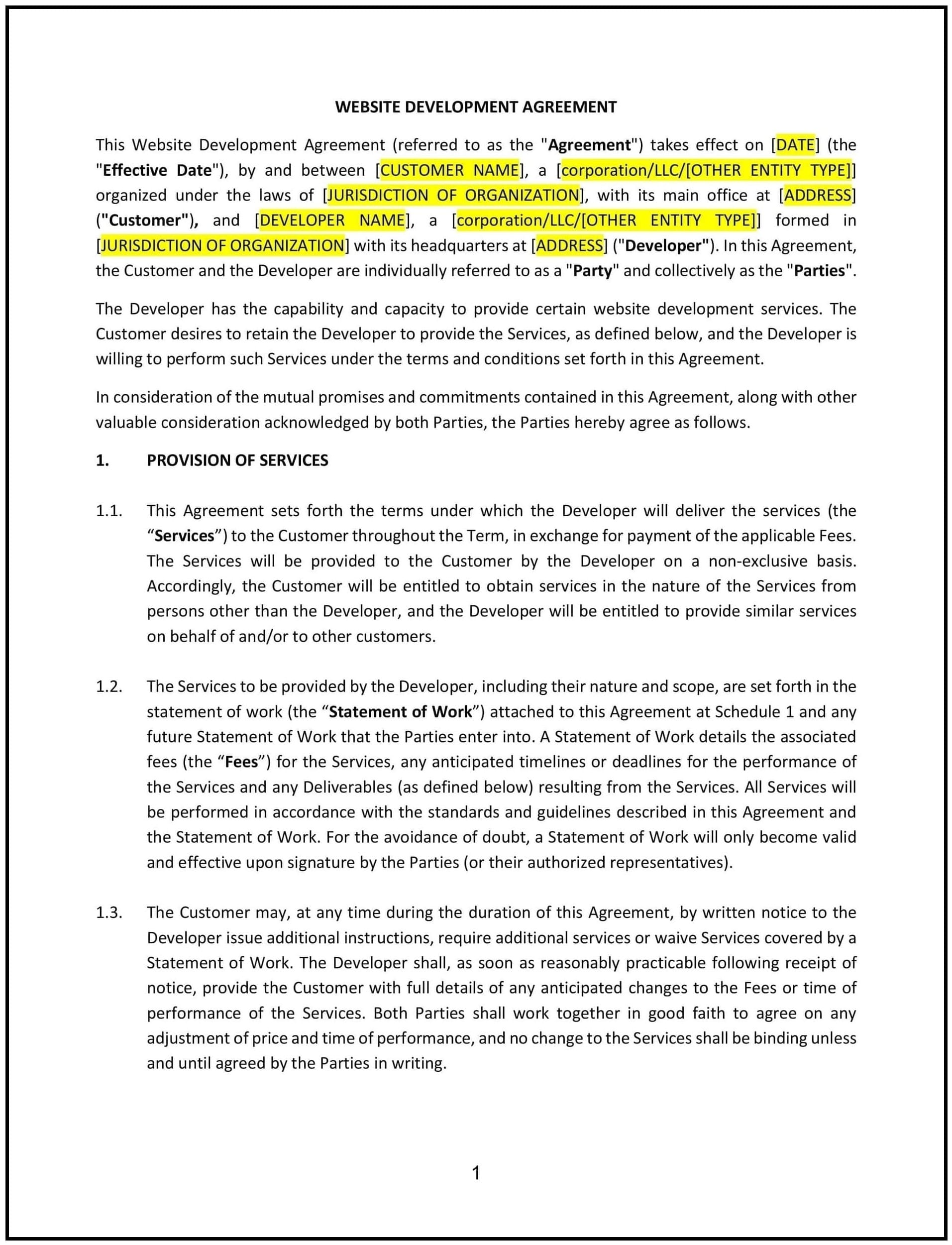
Defines terms for website design and development in Kentucky, covering scope, payment, intellectual property, termination, and legal compliance.
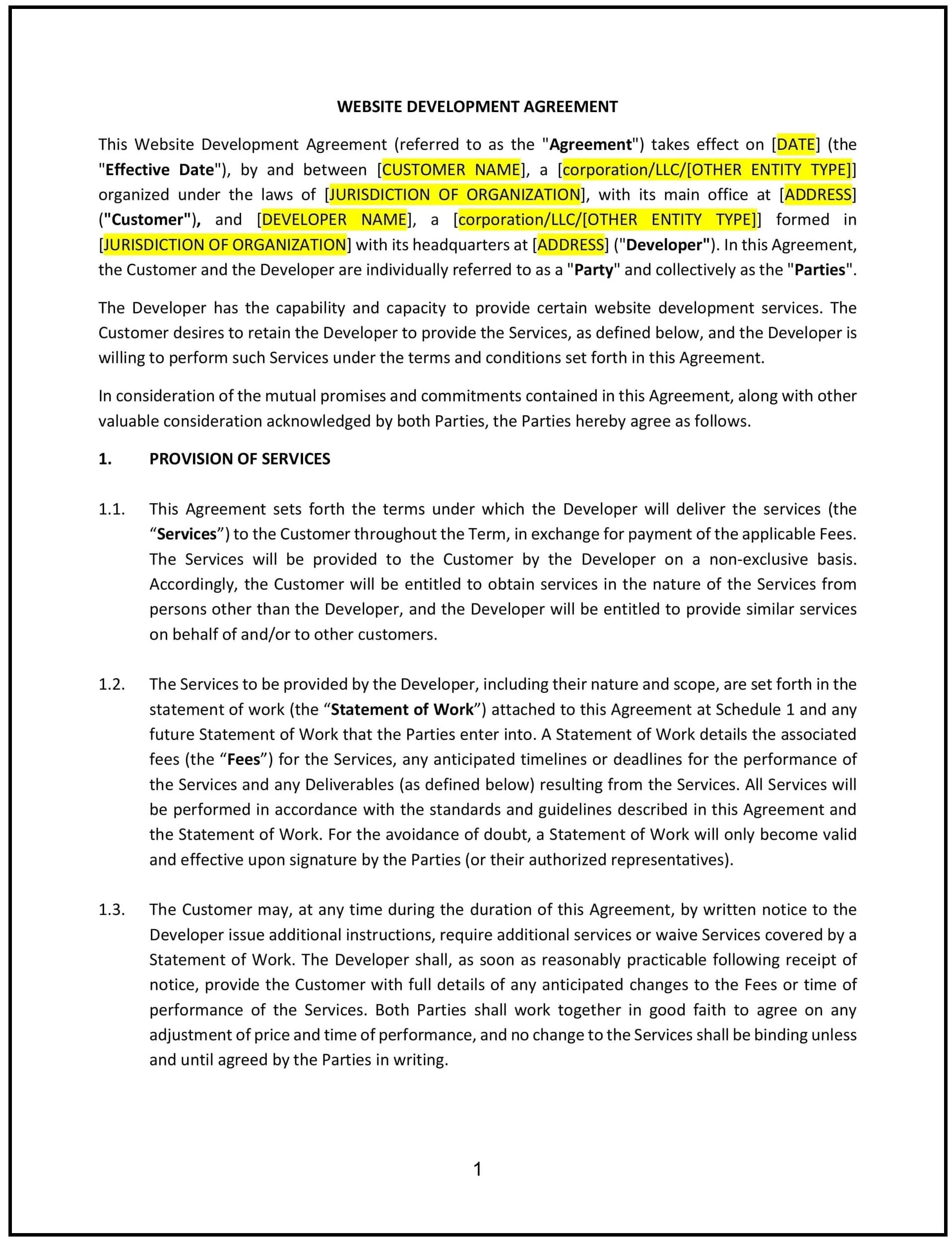
Defines terms for website design and development in Arkansas, covering scope, payment, intellectual property, termination, and legal compliance.
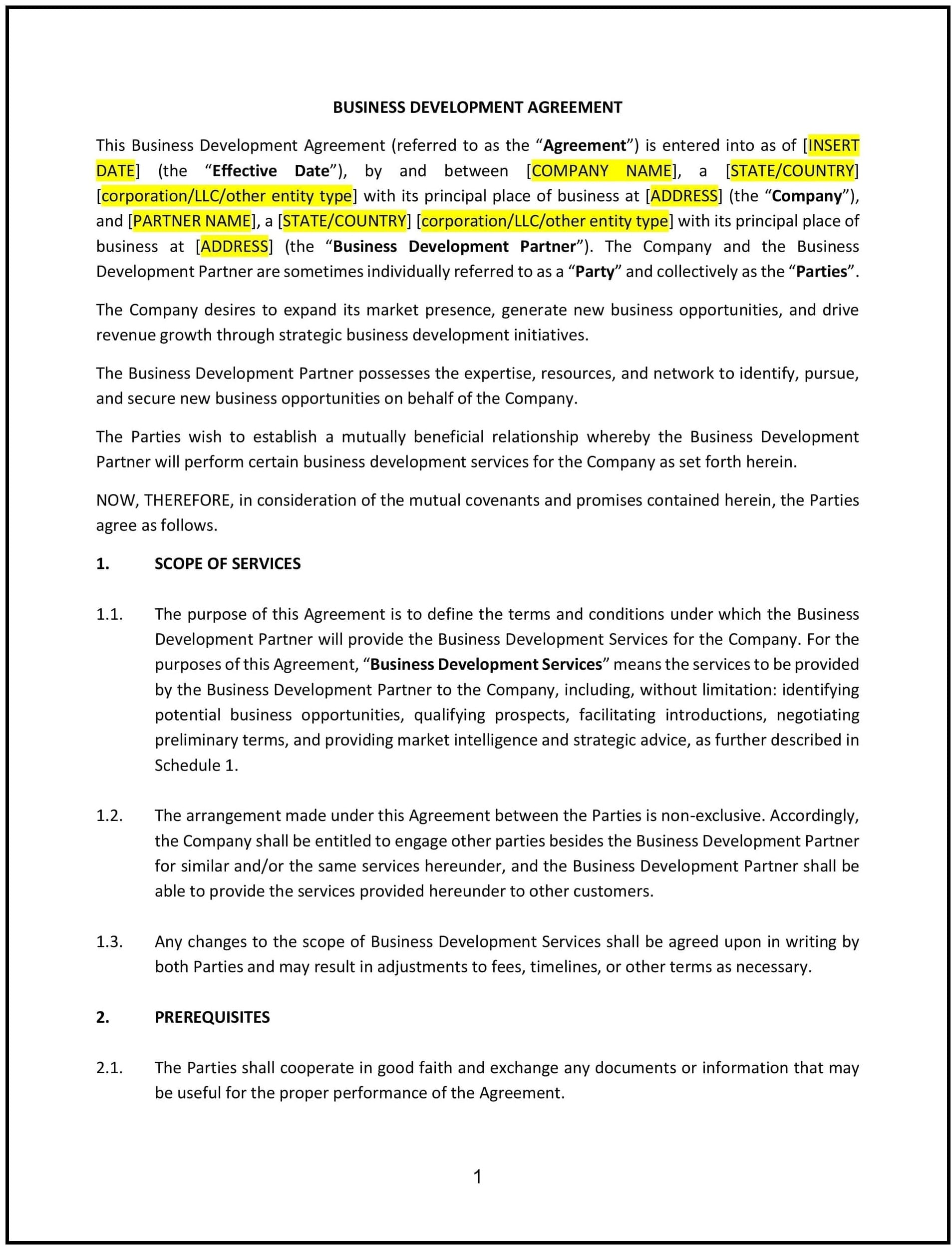
Defines a Kansas business development agreement, covering services, payment, performance metrics, confidentiality, IP rights, and termination terms.
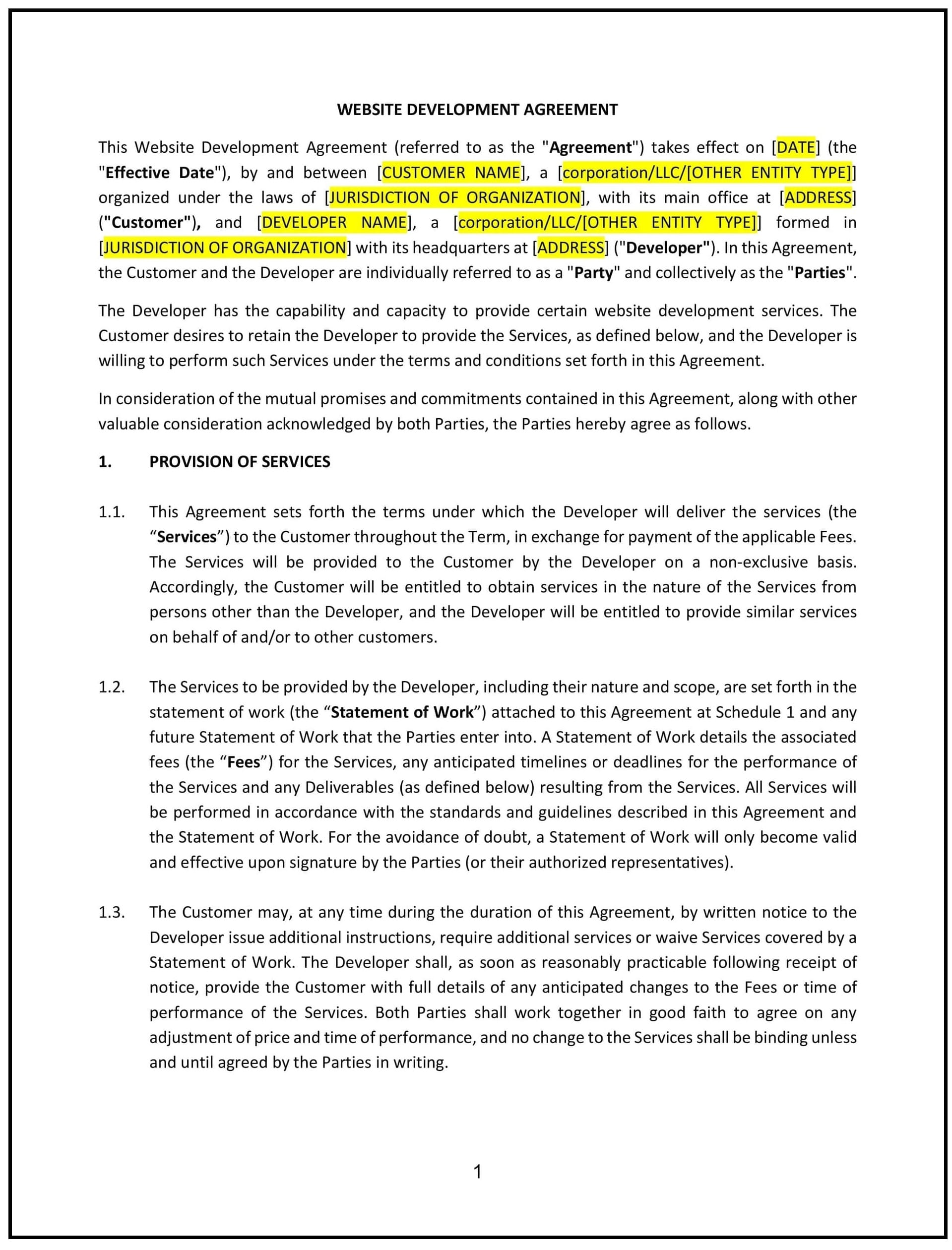
Defines terms for website design and development in Arizona, covering scope, payment, intellectual property, termination, and legal compliance.