Request for consent to assignment (with subcontracting option) letter: Free template
Customize it in Cobrief and see the moment it's opened, signed, or actioned.
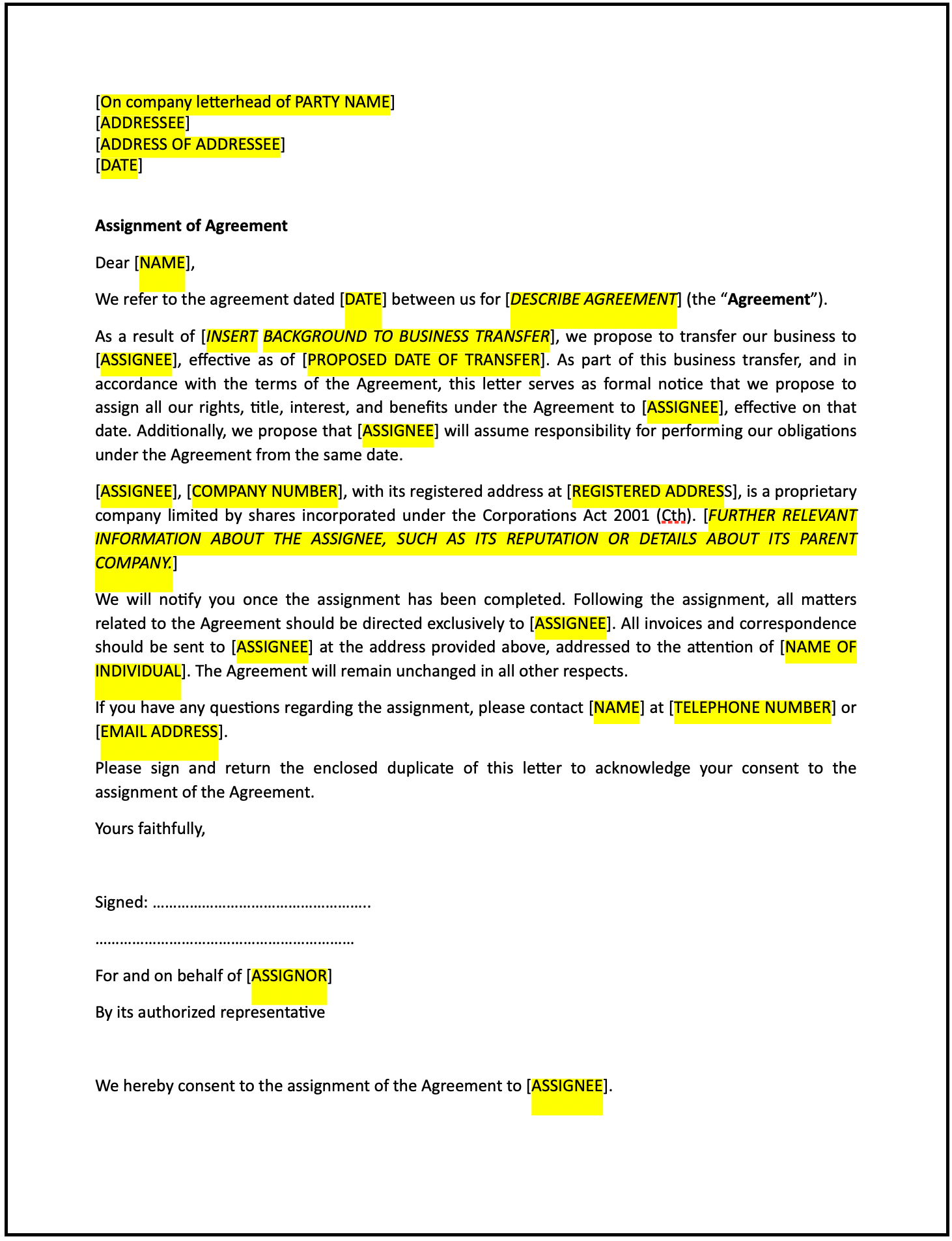
Customize this template for free
TL;DR
A request for consent to assignment letter that facilitates the formal approval process for assigning contract rights and obligations, including a subcontracting option. It is typically used by businesses and contractors to ensure compliance with contractual terms while fostering transparency and minimizing disputes.
Request for consent to assignment (with subcontracting option) letter
Seeking consent for assignment with a subcontracting option ensures that all parties are aligned and comply with the contract's terms. This letter provides a professional way to request approval for assigning rights and obligations under the agreement, while also proposing the inclusion of subcontracting, if applicable.
How to use this request for consent to assignment (with subcontracting option) letter
- Reference the contract: Clearly identify the contract, including its title, reference number, and the parties involved. Specify the clause requiring consent for assignment.
- Explain the request: Clearly state the intent to assign the contract, identify the assignee, and provide details about the subcontracting option, if applicable.
- Provide rationale: Briefly explain why the assignment or subcontracting is necessary and how it will benefit or impact the agreement.
- Outline key details: Include specific information about the assignee or subcontractor, such as qualifications, experience, and intended role in fulfilling obligations.
- Maintain a professional tone: Ensure the letter is respectful, factual, and solution-oriented to foster collaboration.
- Request acknowledgment: Ask the other party to confirm receipt of the letter and provide their consent or feedback within a specified timeframe.
Benefits of using a request for consent to assignment (with subcontracting option) letter
This letter template provides a clear and professional way to seek consent for assignment and subcontracting while maintaining transparency and alignment. Here’s how it helps:
- Ensure compliance: The letter confirms adherence to the contract’s terms requiring consent for assignment.
- Foster transparency: Proactively communicating the request builds trust and avoids surprises.
- Minimize disputes: Addressing the request formally reduces the risk of misunderstandings or conflicts.
- Demonstrate professionalism: A well-crafted letter reflects respect for the other party and the agreement.
- Provide documentation: The letter serves as a formal record of your request, which can be useful for legal or auditing purposes.
Tips for writing an effective request for consent to assignment (with subcontracting option) letter
- Be specific: Clearly reference the contract and the relevant clause requiring consent for assignment.
- Provide context: Explain the reasons for the assignment and the subcontracting option, if applicable.
- Use professional language: Maintain a respectful and collaborative tone to foster positive discussions.
- Include details about the assignee: Provide relevant information about the proposed assignee or subcontractor to build confidence.
- Keep it concise: Focus on the key points and avoid unnecessary details or commentary.
Frequently asked questions (FAQs)
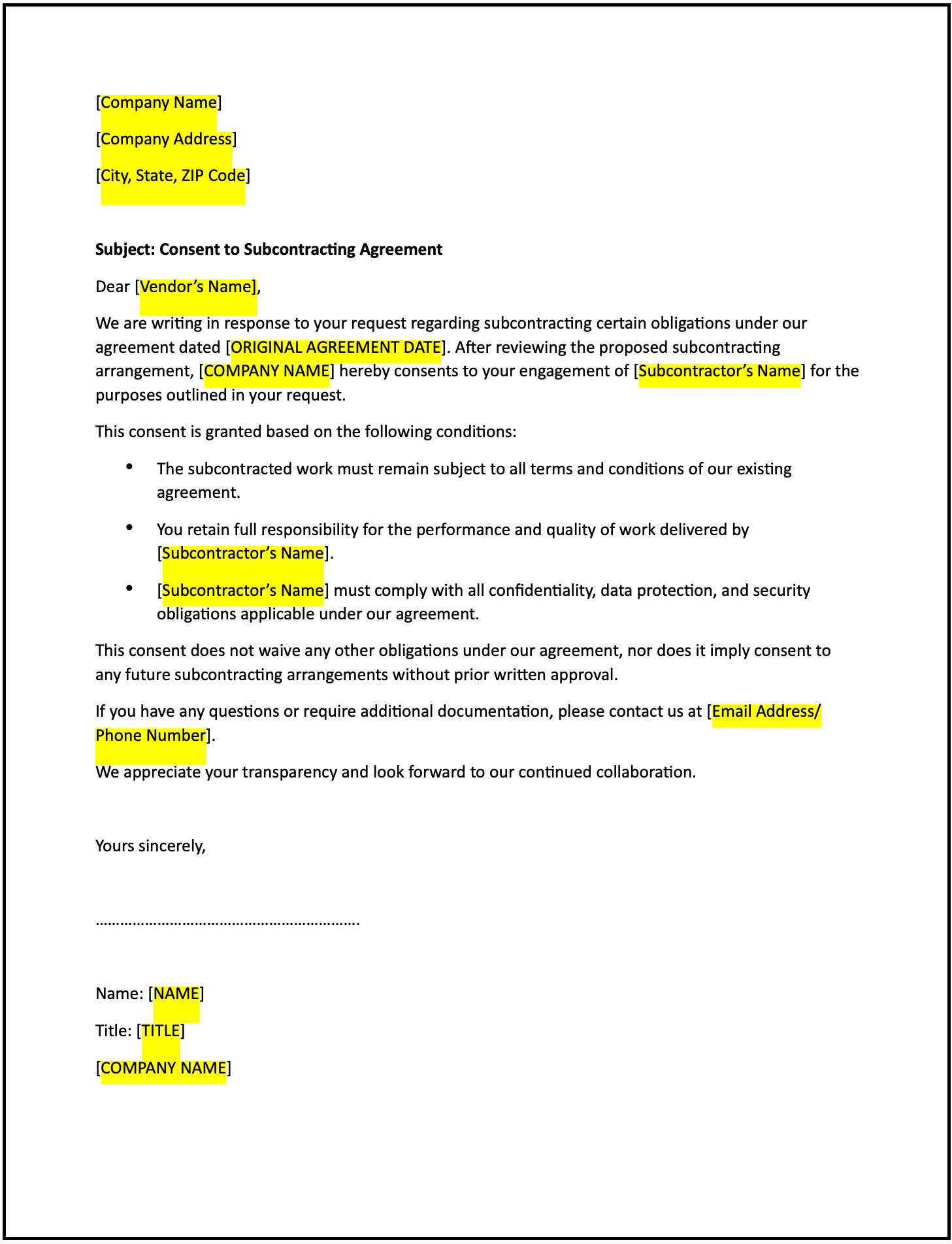
Grants consent for subcontracting under the agreement, outlining any conditions or limitations related to the subcontracting arrangement.
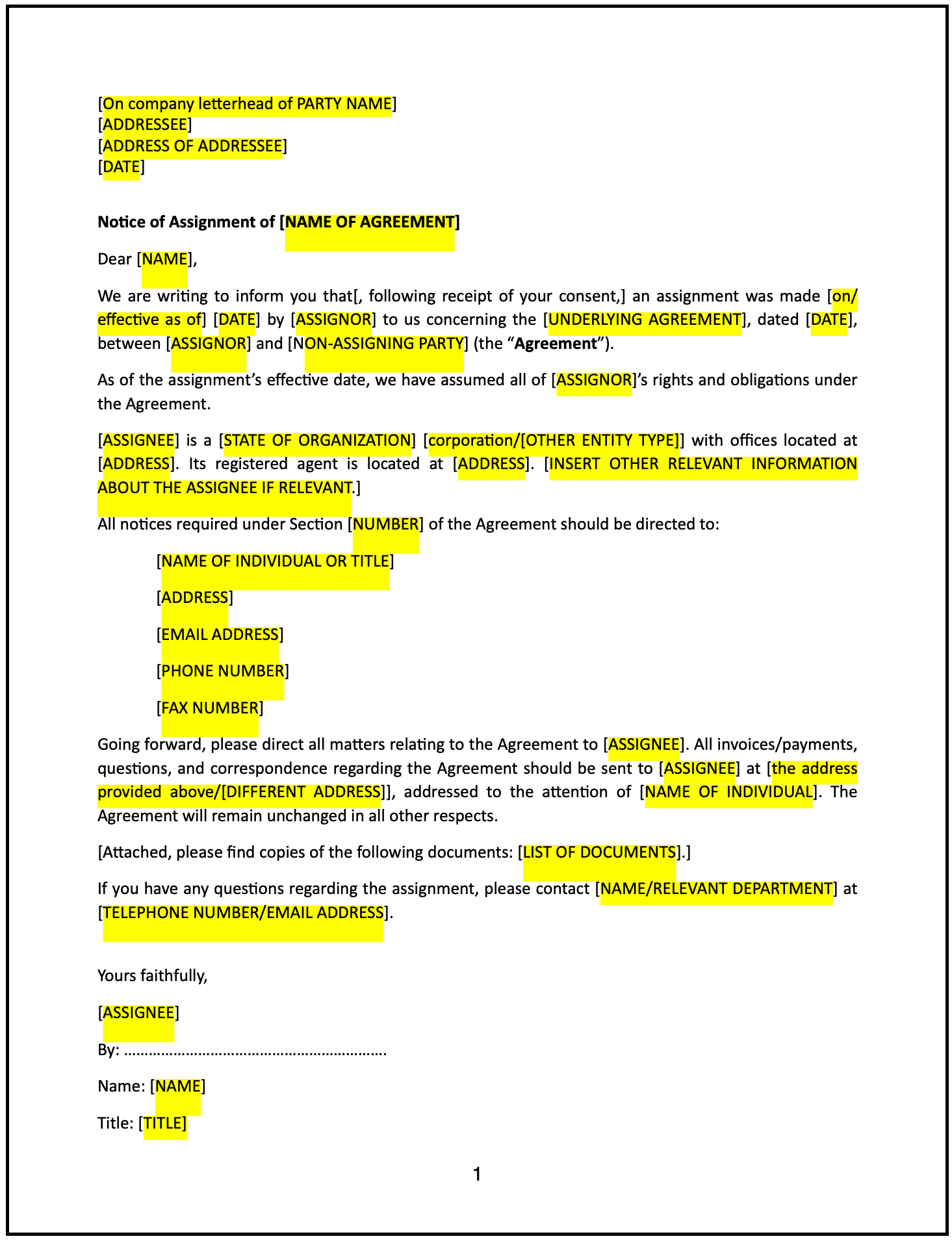
Notifies the recipient of the assignment of the contract to a third party, providing details of the new party and the terms of the assignment.
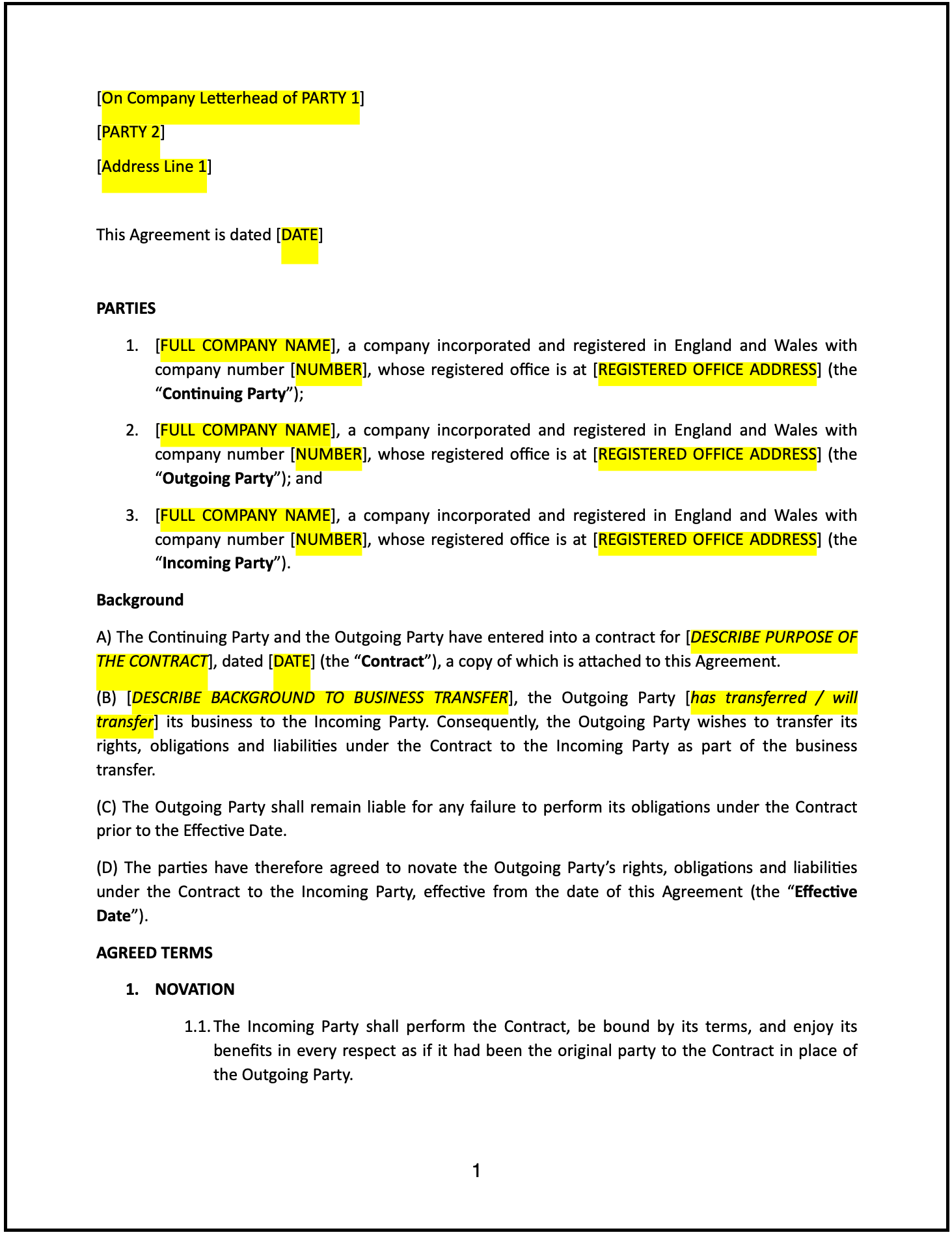
Requests the novation of a contract, seeking approval to transfer rights and obligations to a third party under agreed terms.
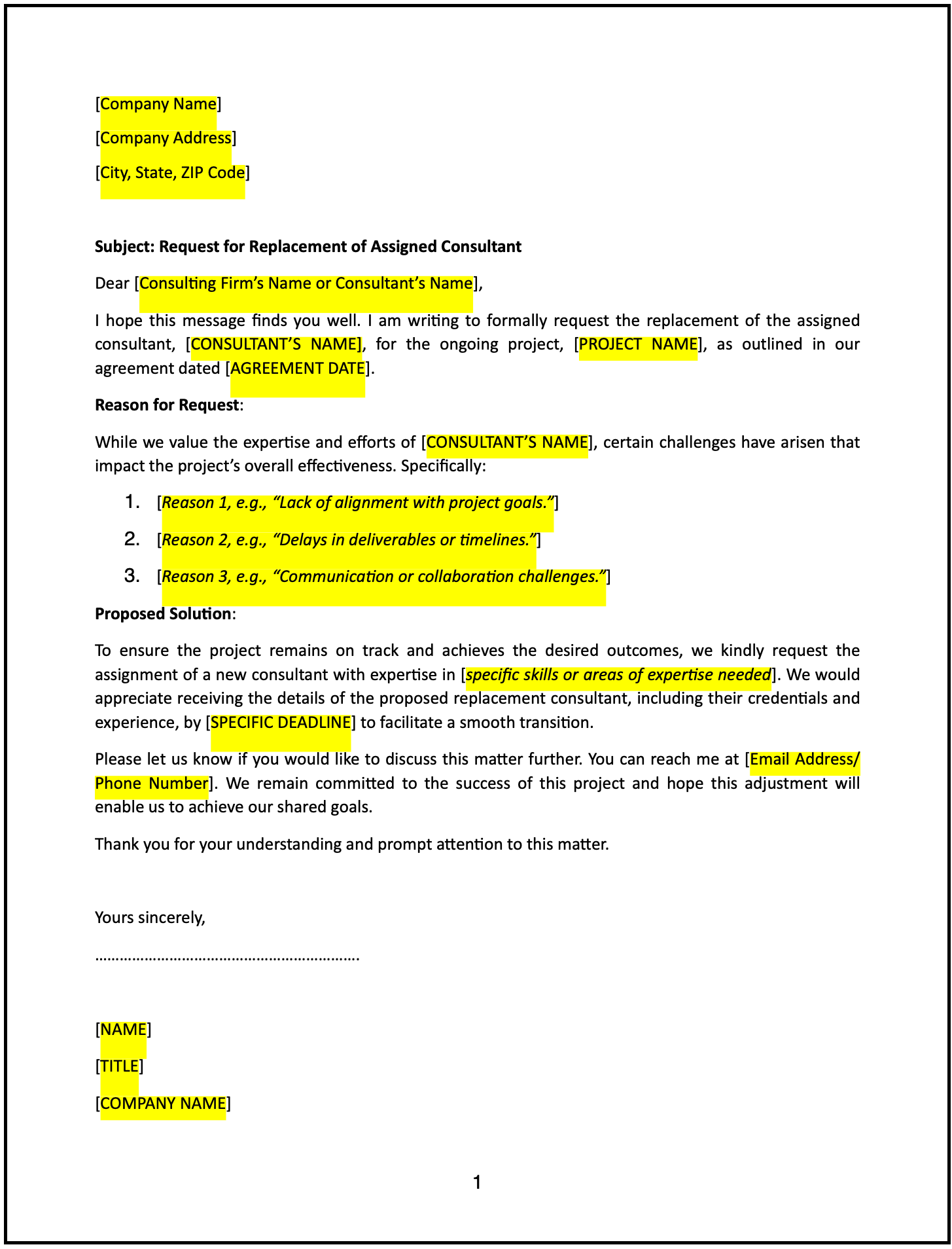
Requests the replacement of the assigned consultant, explaining the reasons for the request and any qualifications or requirements for the new consultant.
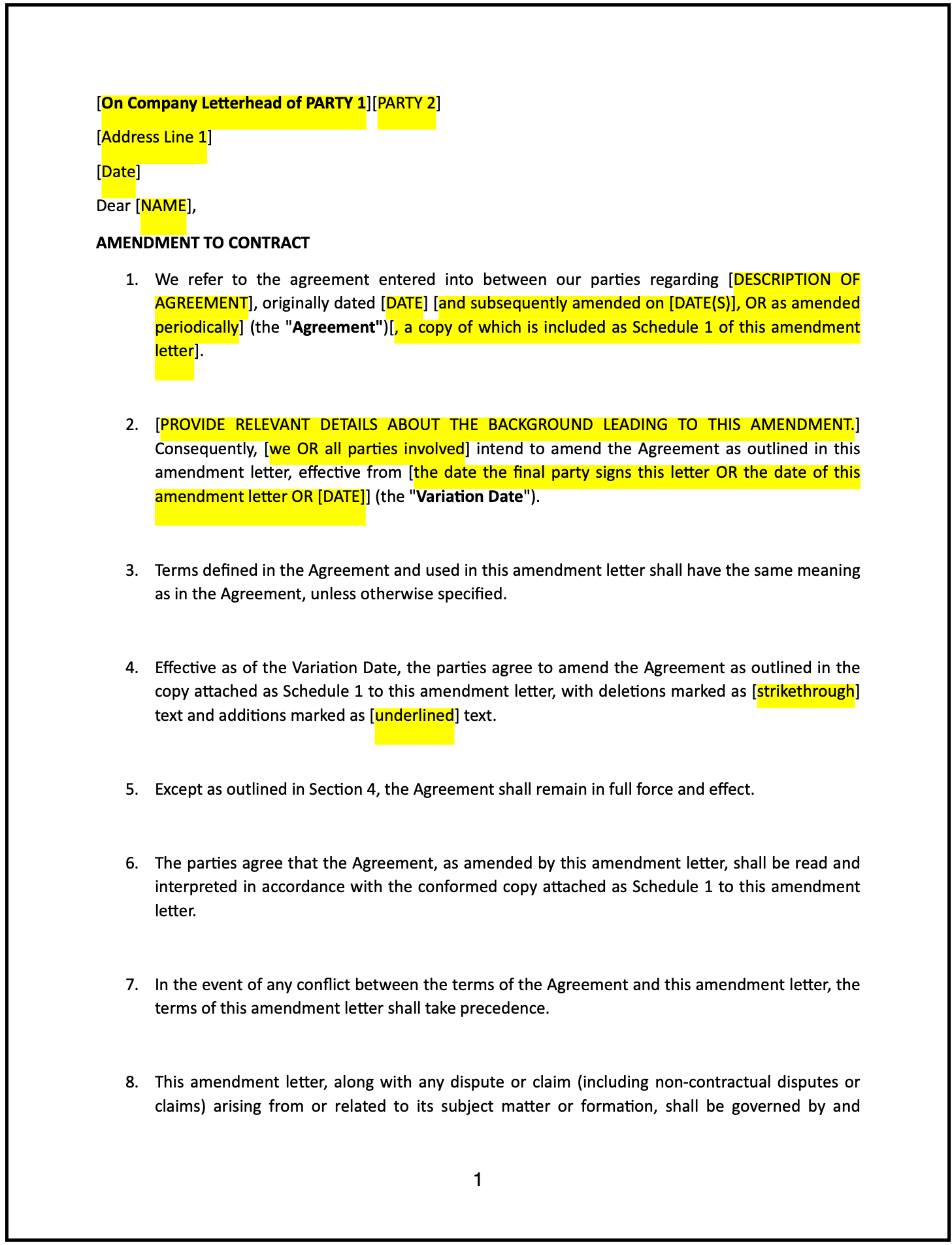
Requests a revision of the contract, outlining the specific terms to be modified and providing reasoning for the requested changes.