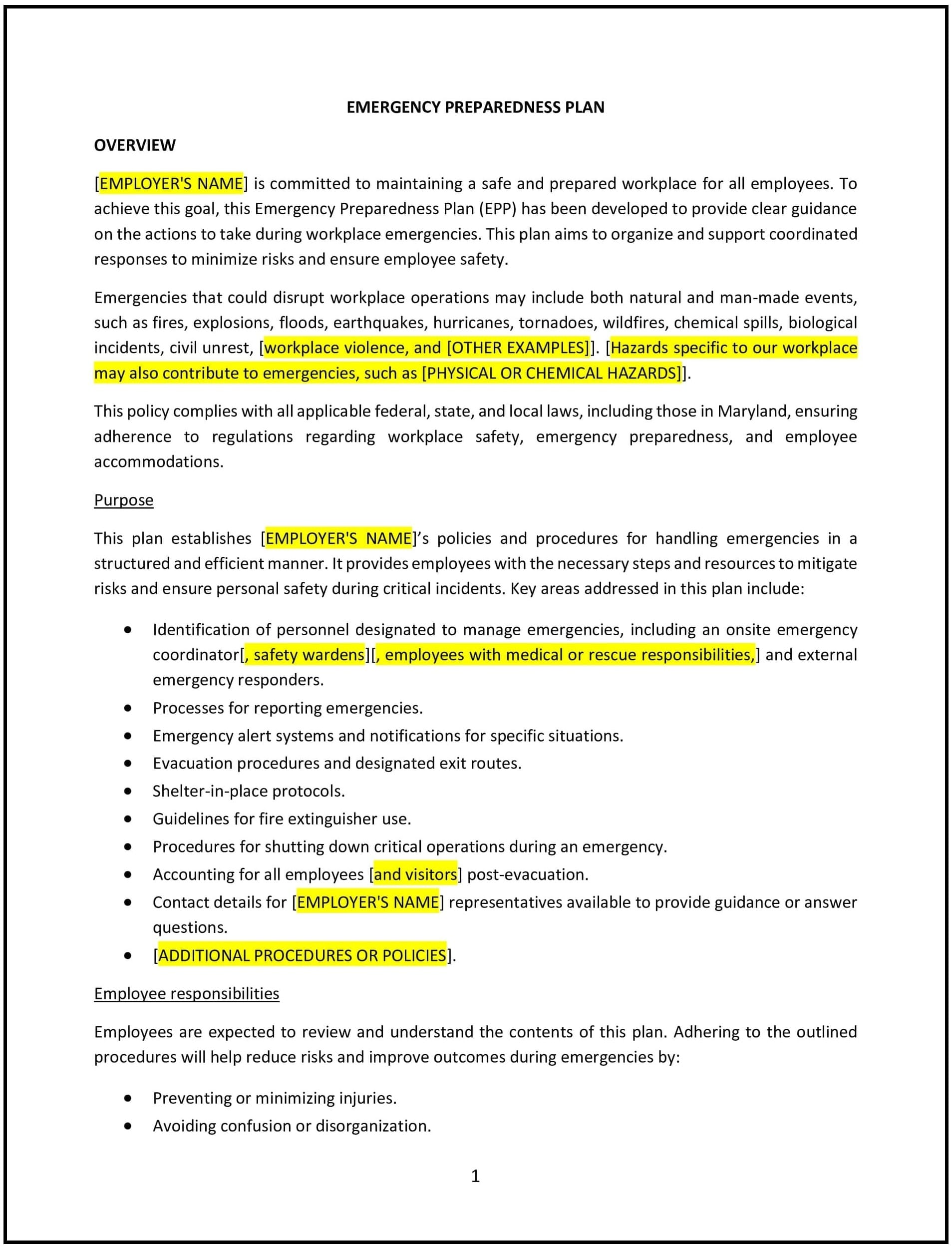
Emergency preparedness plan (Maryland): Free template
Details procedures for responding to emergencies, ensuring employee safety and business continuity.
- Policies
- Maryland
Emergency preparedness plan (Maryland)
This emergency preparedness plan is designed to help Maryland businesses prepare for and respond to emergencies such as natural disasters, fires, workplace accidents, and public health crises. It outlines procedures to protect employees, minimize disruptions, and ensure the continuity of operations.
By adopting this plan, Maryland businesses can promote safety, reduce risks, and demonstrate a commitment to employee well-being.
How to use this emergency preparedness plan (Maryland)
- Identify potential emergencies: List scenarios relevant to Maryland, such as hurricanes, flooding, severe weather, and other local hazards.
- Designate roles and responsibilities: Assign specific roles for managing emergencies, including emergency coordinators and team leaders.
- Develop evacuation procedures: Outline clear steps for safe evacuation, including designated exits, assembly points, and protocols for assisting individuals with disabilities.
- Include communication protocols: Establish systems for notifying employees of emergencies, such as text alerts, emails, or public announcements.
- Prepare a continuity plan: Create a strategy for maintaining critical operations during and after emergencies, such as remote work arrangements or alternative facilities.
- Provide training and drills: Conduct regular training sessions and emergency drills to ensure employees understand the plan.
- Reflect Maryland-specific considerations: Address state and local regulations, such as emergency response requirements or local resources like FEMA Region III guidance.
Benefits of using this emergency preparedness plan (Maryland)
Implementing this plan provides Maryland businesses with several advantages:
- Protects employees: Ensures the safety and well-being of staff during emergencies.
- Minimizes disruptions: Reduces the impact of emergencies on business operations.
- Promotes compliance: Aligns with Maryland workplace safety regulations and emergency management best practices.
- Builds resilience: Prepares the organization to handle crises effectively and recover quickly.
- Enhances trust: Demonstrates a commitment to employee and community safety.
Tips for using this emergency preparedness plan (Maryland)
- Communicate the plan: Share the plan with employees and ensure they know where to access it.
- Conduct risk assessments: Regularly evaluate potential risks to tailor the plan to the business’s specific needs.
- Coordinate with local resources: Collaborate with Maryland emergency services and community organizations to enhance preparedness.
- Review and update regularly: Ensure the plan reflects changes in workplace operations or Maryland emergency management regulations.
- Practice regularly: Schedule drills and training to keep employees familiar with the procedures.
Frequently asked questions (FAQs)
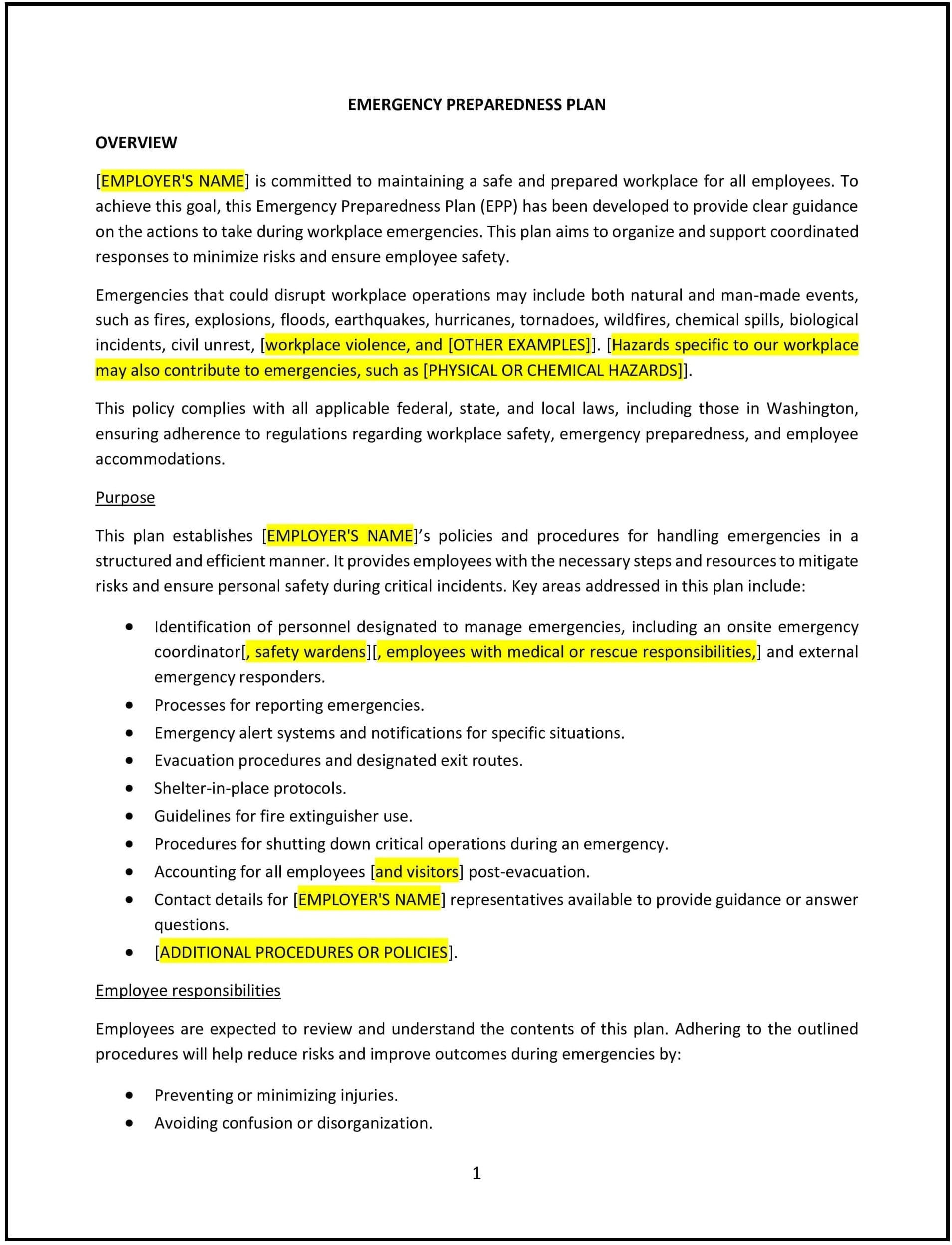
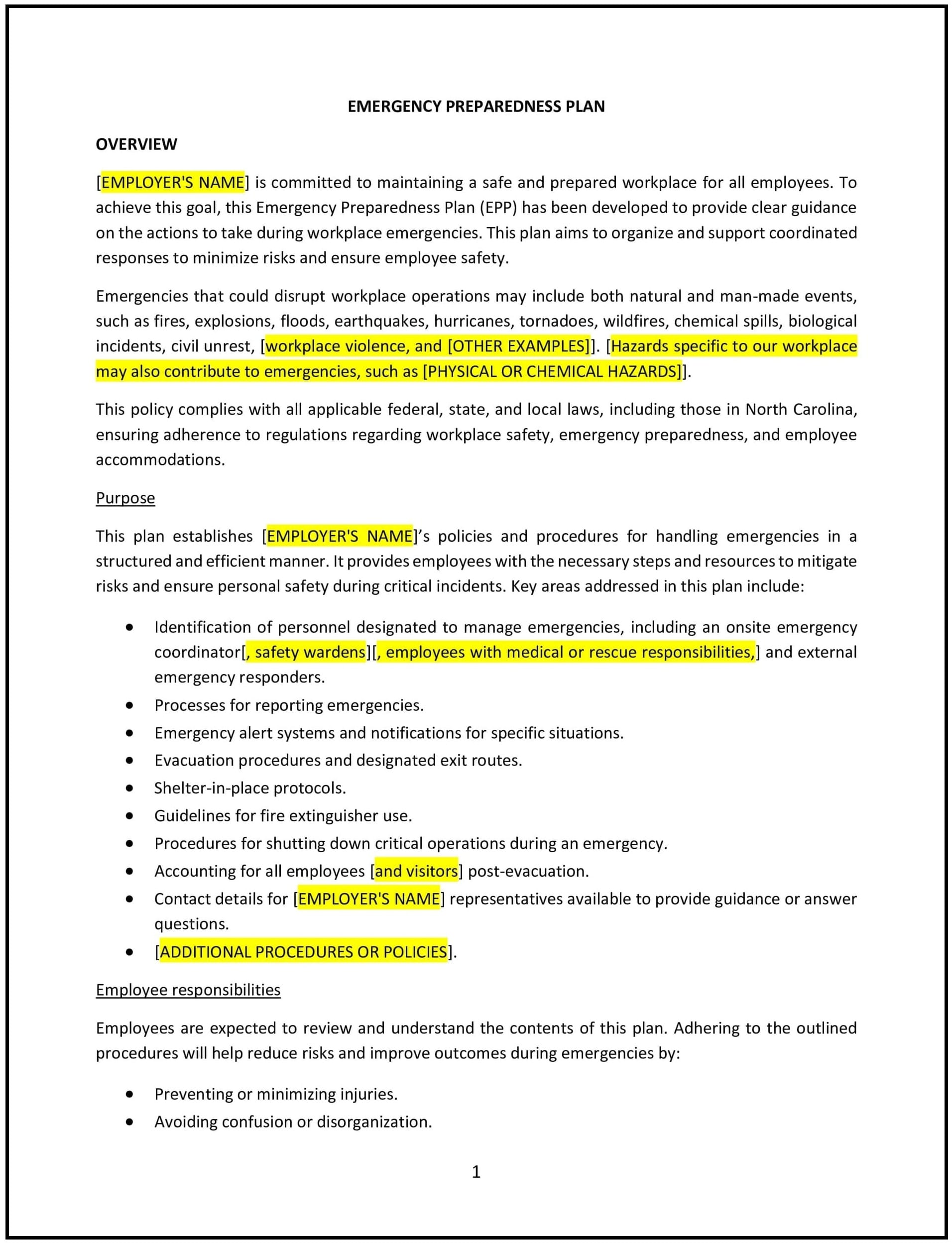
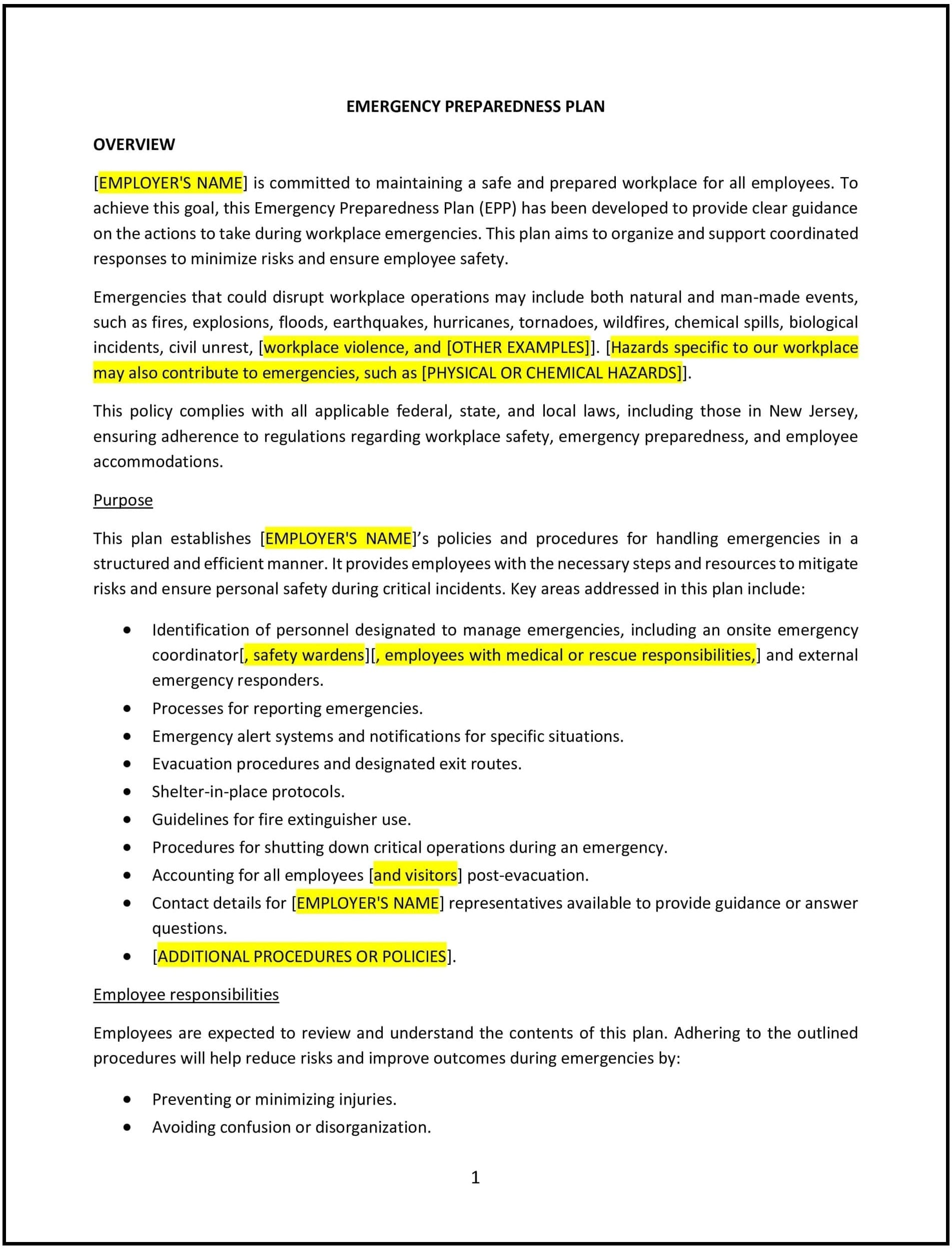
Similar templates
Where deals go from offer to paid
