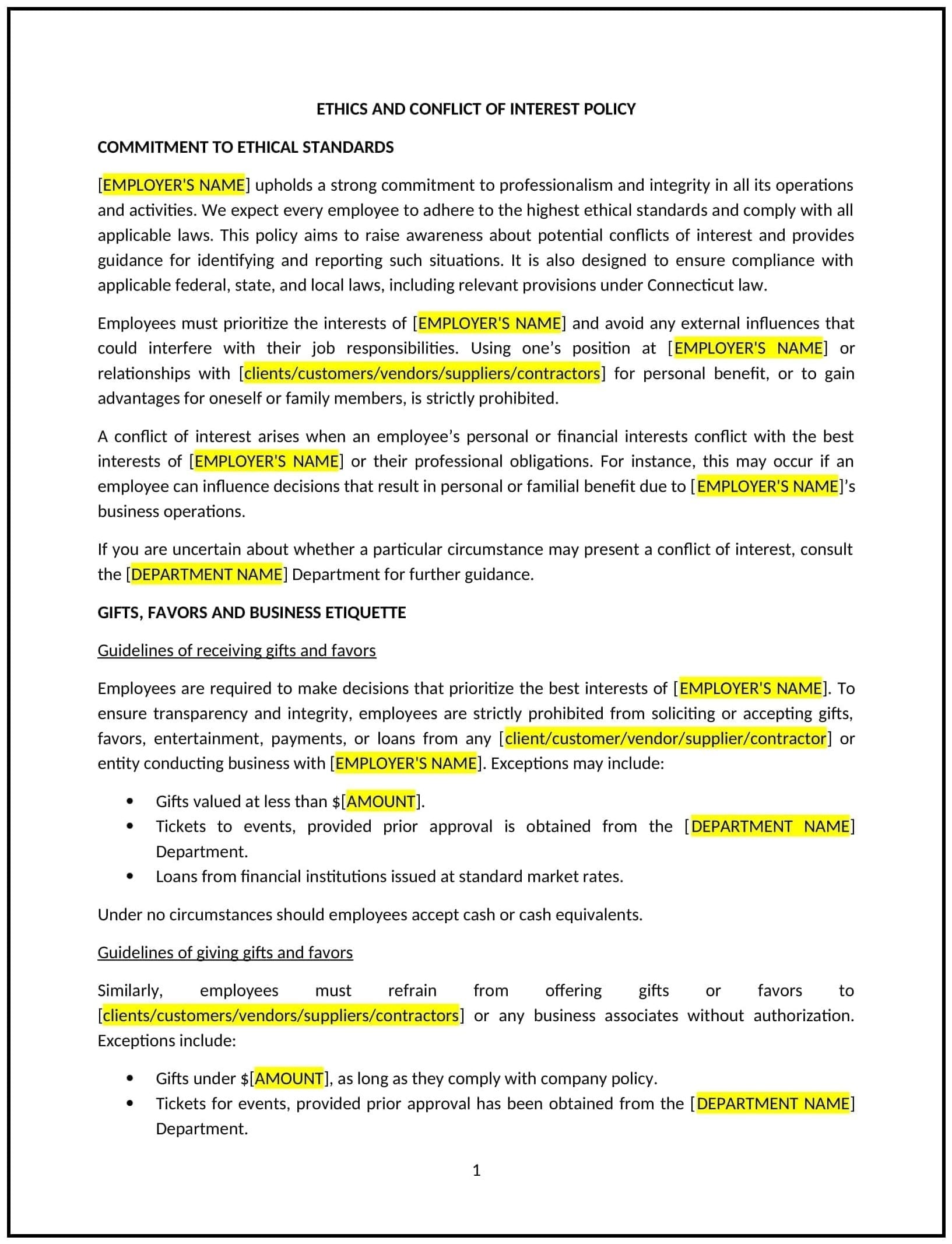
Ethics and conflict of interest (Colorado): Free template
Promotes ethical conduct and requires disclosure of conflicts, ensuring integrity in Colorado operations.
- Policies
- Colorado
Ethics and conflict of interest policy (Colorado)
An ethics and conflict of interest policy helps Colorado businesses ensure that all employees and representatives act with integrity and transparency, especially in situations where personal interests may conflict with the company’s interests. This policy outlines what constitutes a conflict of interest, the process for disclosing conflicts, and the steps for managing or resolving these conflicts, all while maintaining a commitment to ethical business practices.
By implementing this policy, businesses can foster an ethical culture, protect their reputation, and maintain trust with stakeholders by avoiding any situations that could undermine business decisions or company integrity.
How to use this ethics and conflict of interest policy (Colorado)
- Define conflicts of interest: Clearly explain what constitutes a conflict of interest, including situations where personal financial interests, relationships, or affiliations might interfere with an employee’s objectivity in performing their job.
- Set disclosure guidelines: Establish the process by which employees should disclose potential or actual conflicts of interest, including the necessary forms and timing of disclosures.
- Establish approval processes: Provide a process for evaluating disclosed conflicts, including who will review the conflict and how decisions will be made to resolve or mitigate it.
- Promote transparency and fairness: Ensure that all conflicts are handled transparently and fairly, with appropriate actions taken to address any issues.
- Define consequences for non-compliance: Outline the steps the company will take if an employee fails to disclose a conflict of interest or engages in unethical conduct. This could include disciplinary action, up to and including termination.
Benefits of using this ethics and conflict of interest policy (Colorado)
This policy offers several benefits for Colorado businesses:
- Protects company integrity: Ensures that employees make decisions based on the company’s best interests, not personal gain, maintaining the organization’s integrity and reputation.
- Promotes a culture of ethics: Fosters a workplace culture where employees are committed to high ethical standards, which can improve morale and employee satisfaction.
- Reduces legal risks: Helps prevent situations that could lead to legal disputes or regulatory issues arising from conflicts of interest or unethical behavior.
- Enhances transparency: Ensures that employees are held accountable for disclosing and addressing conflicts, promoting openness and transparency within the organization.
- Protects stakeholder trust: Demonstrates the company’s commitment to fair, ethical business practices, which can strengthen relationships with clients, investors, and other stakeholders.
Tips for using this ethics and conflict of interest policy (Colorado)
- Communicate the policy clearly: Ensure that all employees understand the definition of conflicts of interest, the disclosure process, and the importance of transparency and ethics in business decisions.
- Provide regular training: Offer training on ethical conduct and conflict of interest awareness to help employees identify potential conflicts and understand how to address them.
- Review disclosures carefully: Set up a process for reviewing conflict disclosures promptly, ensuring that the appropriate action is taken to resolve or mitigate any conflicts.
- Promote transparency in decision-making: Encourage employees to disclose any potential conflicts early to avoid issues with impartiality and fairness in decision-making.
- Review periodically: Update the policy regularly to reflect changes in Colorado laws, business practices, or ethical standards to maintain its effectiveness and relevance.
Frequently asked questions (FAQs)
Similar templates
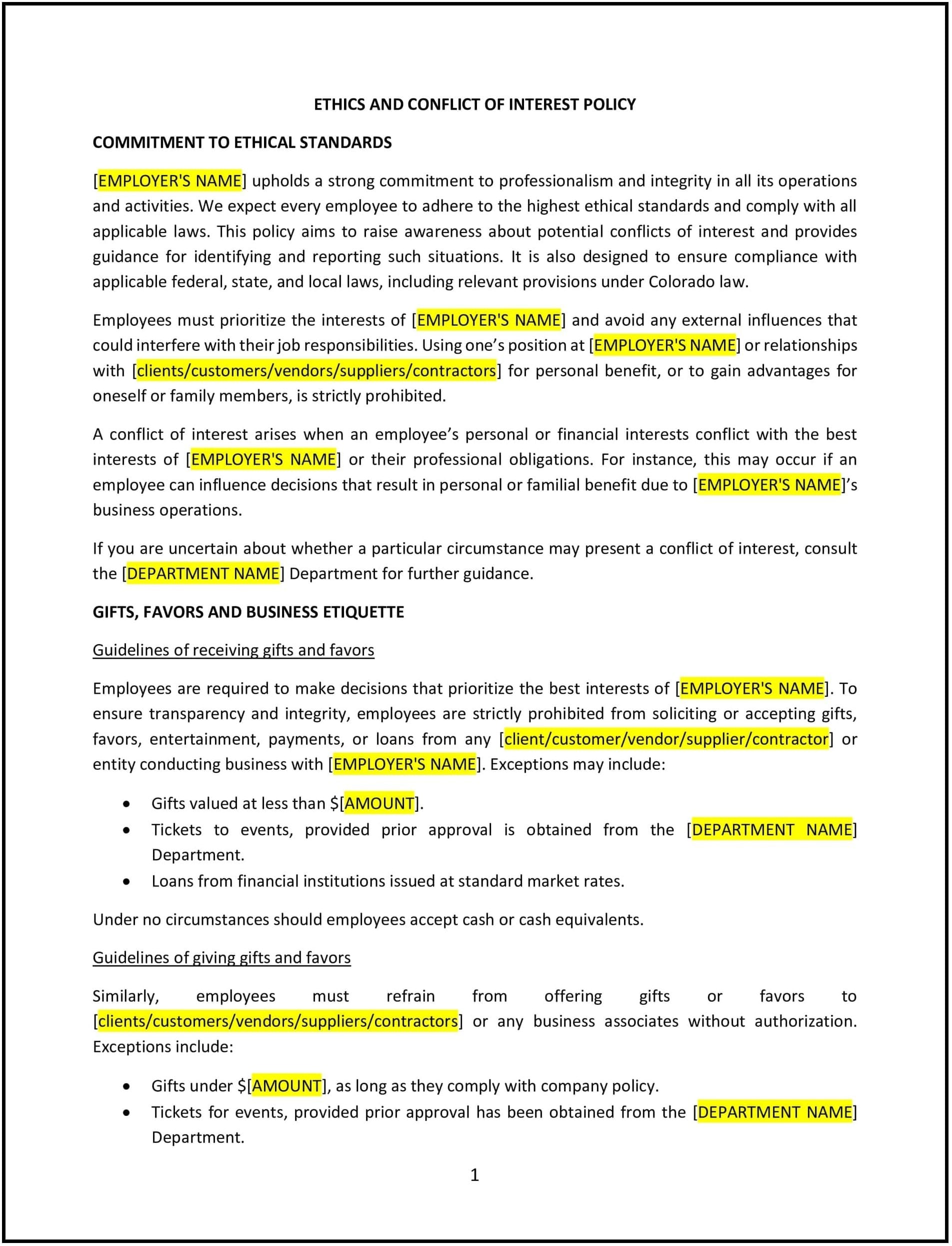
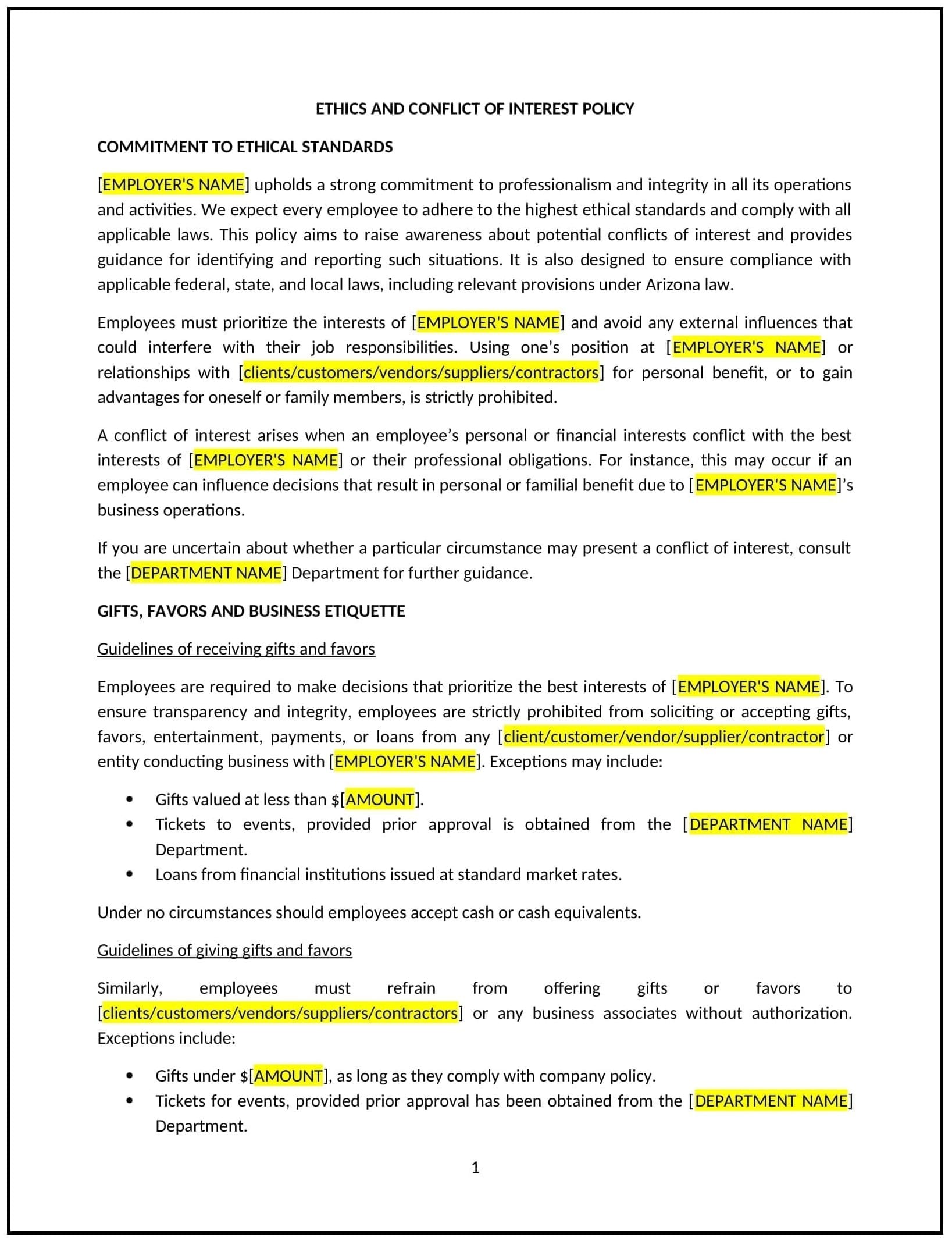
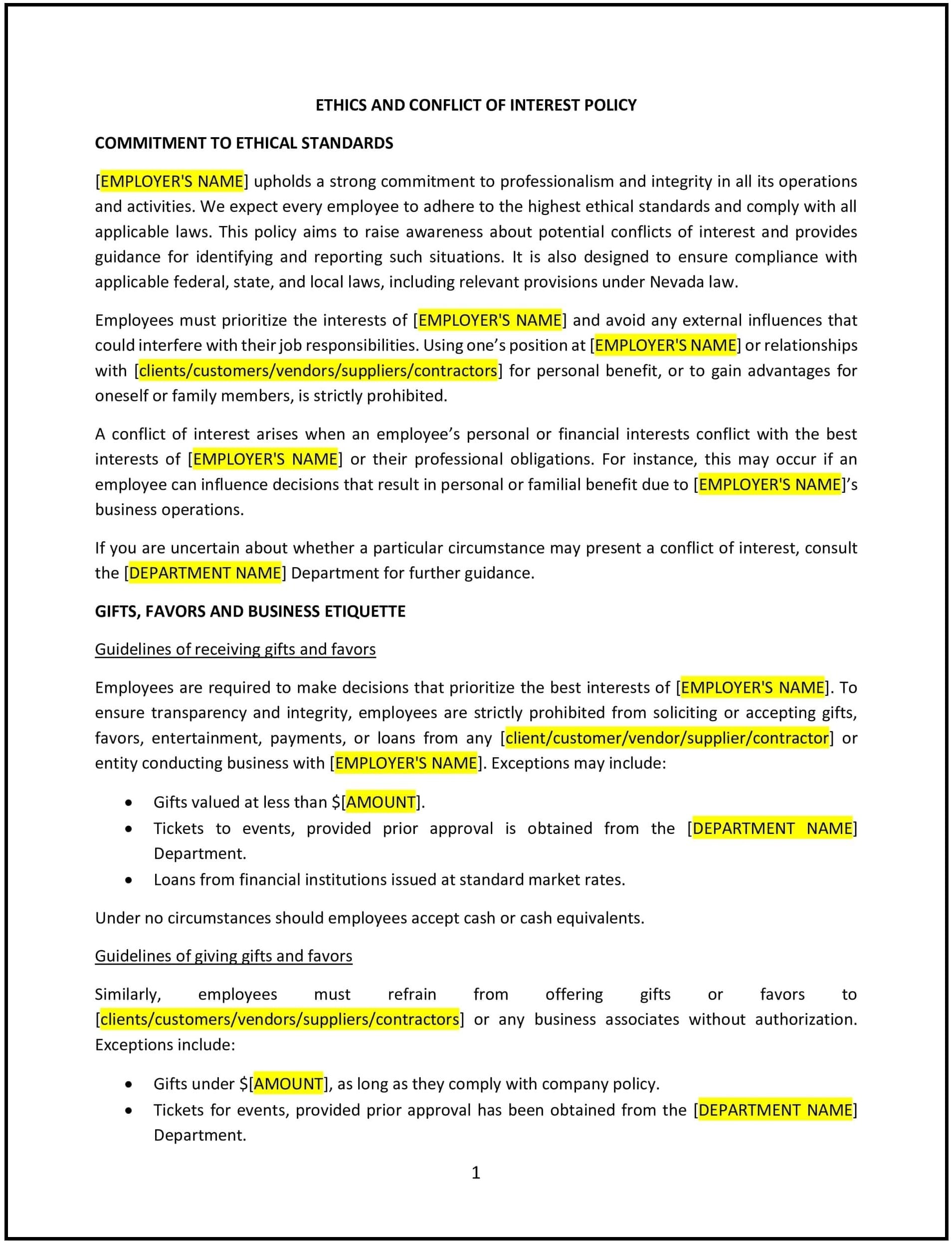
Where deals go from offer to paid
