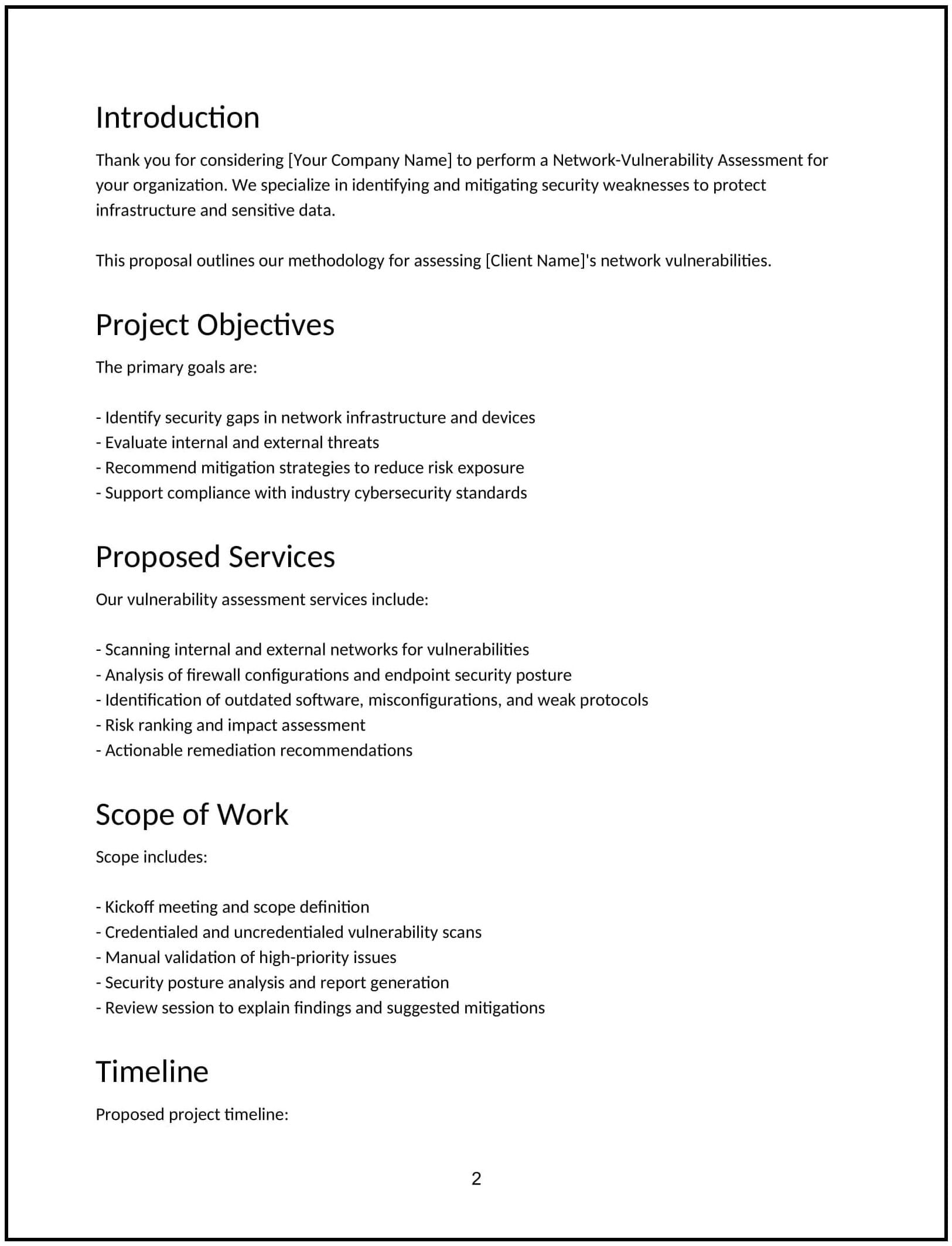
Network vulnerability assessment proposal: Free template
Proposes a network vulnerability assessment, detailing scanning procedures, threat identification, risk prioritization, and remediation recommendations to strengthen cybersecurity posture.
- Proposal
Customize this free network vulnerability assessment proposal with Cobrief
Open this free network vulnerability assessment proposal in Cobrief and start editing it instantly using AI. You can adjust the tone, structure, and content based on the client’s network size, compliance needs, and internal capabilities. You can also use AI to review your draft — spot gaps, tighten language, and improve clarity before sending.
Once you're done, send, download, or save the proposal in one click — no formatting or setup required.
This template is fully customizable and built for real-world use — ideal for pitching assessments to IT leads, CISOs, compliance managers, or MSP clients. Whether you're doing a one-time scan or building into a larger cybersecurity engagement, this version gives you a structured head start and removes the guesswork.
What is a network vulnerability assessment proposal?
A network vulnerability assessment proposal outlines your plan to identify, evaluate, and prioritize security risks in a company’s internal and external networks. It typically includes asset discovery, scanning, risk scoring, and clear remediation guidance.
This type of proposal is commonly used:
- To meet compliance requirements like SOC 2, PCI-DSS, HIPAA, or ISO 27001
- Before broader IT or security changes (e.g., cloud migration, Zero Trust rollout)
- After a security incident or penetration test flags unresolved network gaps
- As part of a regular cybersecurity audit or MSP baseline
It helps clients surface weak points before attackers do — and prioritize what matters based on real risk.
A strong proposal helps you:
- Identify exposed services, outdated software, and misconfigured devices
- Score and categorize risks based on likelihood and impact
- Deliver a prioritized remediation roadmap for technical and business stakeholders
- Set a baseline to track future improvement or retest after fixes
Why use Cobrief to edit your proposal
Cobrief helps you write clearer, faster proposals — with built-in structure and smart AI tools.
- Edit the proposal directly in your browser: No file juggling or formatting stress.
- Rewrite sections with AI: Instantly tailor tone for CTOs, security leads, or ops teams.
- Run a one-click AI review: Let AI flag unclear scope, jargon, or deliverable gaps.
- Apply AI suggestions instantly: Accept edits line by line or across the full document.
- Share or export instantly: Send via Cobrief or download a polished PDF or DOCX file.
You’ll move from notes to a client-ready proposal in minutes — without slowing down delivery.
When to use this proposal
Use this network vulnerability assessment proposal when:
- A company hasn’t assessed its network in over 6–12 months
- The client is expanding infrastructure (e.g., hybrid work, cloud services, IoT)
- They need a third-party scan or report for auditors, board review, or insurance
- Their security tools report alerts, but no one’s validating what’s real
- You’re offering an entry-point security engagement before managed services or remediation
It’s especially useful when leadership wants visibility — but needs clear, non-technical takeaways.
What to include in a network vulnerability assessment proposal
Use this template to walk the client through your scanning and reporting process in structured, plain-smart language.
- Project overview: Frame the risk — unknown vulnerabilities, shadow IT, misconfigurations — and how your assessment surfaces them.
- Scope of assessment: Define what’s in scope — internal network, external IPs, cloud assets, wireless networks, remote endpoints.
- Tools and methodology: Briefly explain how you’ll conduct scans (e.g., Nessus, OpenVAS, Qualys), and what frameworks or standards you follow.
- Asset discovery: Describe how you’ll identify and inventory live systems and services — including unauthorized or untracked assets.
- Vulnerability scanning: Outline how you’ll run scans, identify CVEs, and validate false positives before reporting.
- Risk classification: Explain how you’ll score vulnerabilities using CVSS or risk tiers (e.g., critical/high/medium/low).
- Reporting and recommendations: Deliver a report with an executive summary, risk ranking, and step-by-step remediation actions.
- Optional add-ons: Offer extras like re-testing after fixes, integration with ticketing tools, or follow-on patching support.
- Timeline and phases: Break into discovery, scanning, analysis, reporting — with estimated durations.
- Pricing: Offer flat-fee or tiered pricing based on number of IPs/assets. Break out optional retests or remediation help.
- Next steps: End with a CTA — such as approving the IP range, granting access, or scheduling the scan window.
How to write an effective network vulnerability assessment proposal
This proposal should feel secure, technical, and low-friction — especially for teams juggling multiple IT and compliance demands.
- Lead with visibility and control: Show how you’ll help them see what they’re missing — and fix it in priority order.
- Don’t overwhelm with tools: Mention scanners and frameworks, but focus on actionable results — not just raw CVEs.
- Emphasize business impact: Tie vulnerabilities to downtime, data loss, or lateral attack risk — not just “patch this port.”
- Flag access and scanning needs early: Be clear about whether you'll need VPN, credentials, or scheduled downtime.
- Deliver something usable: Final output should be readable by execs, not just security engineers.
Frequently asked questions (FAQs)
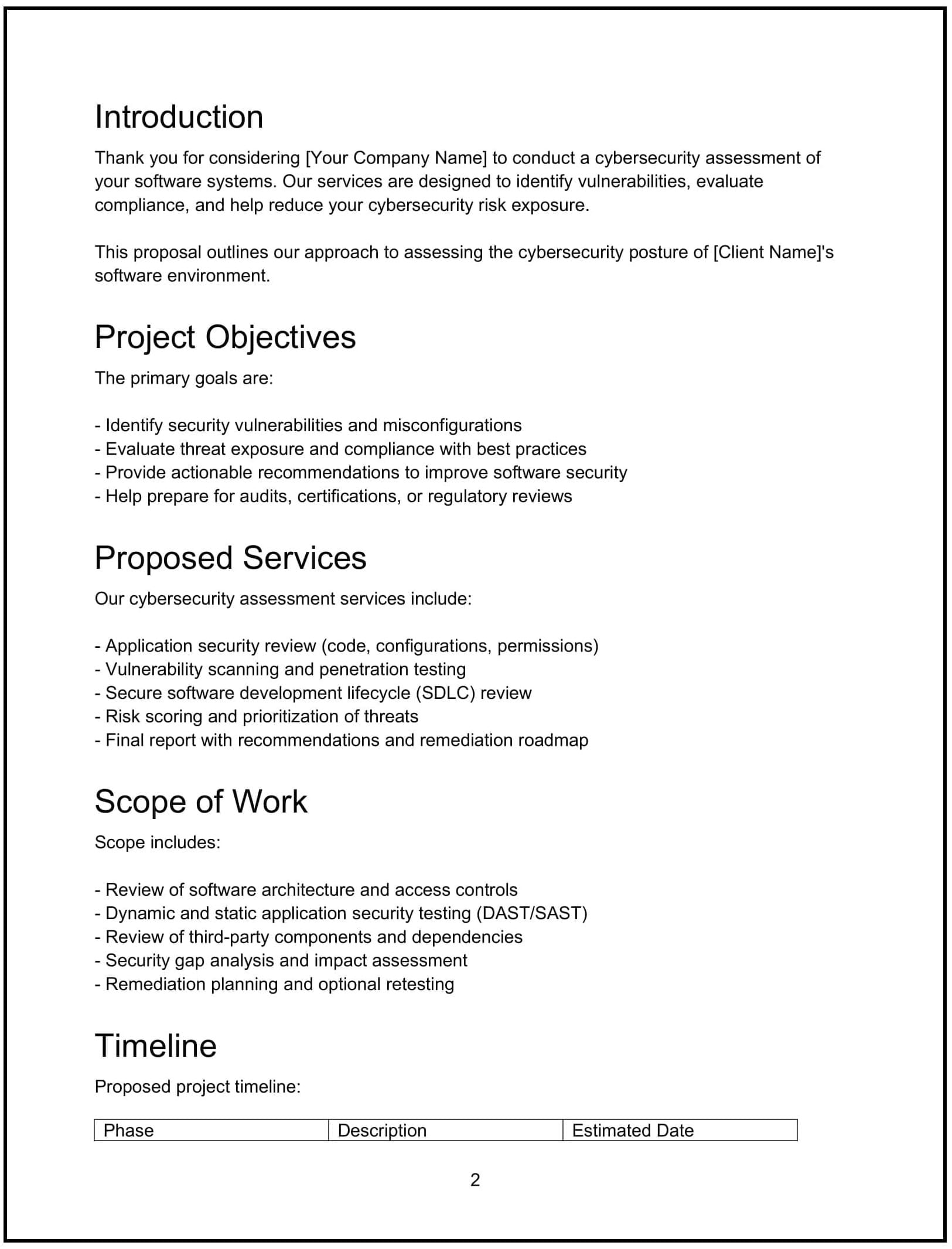
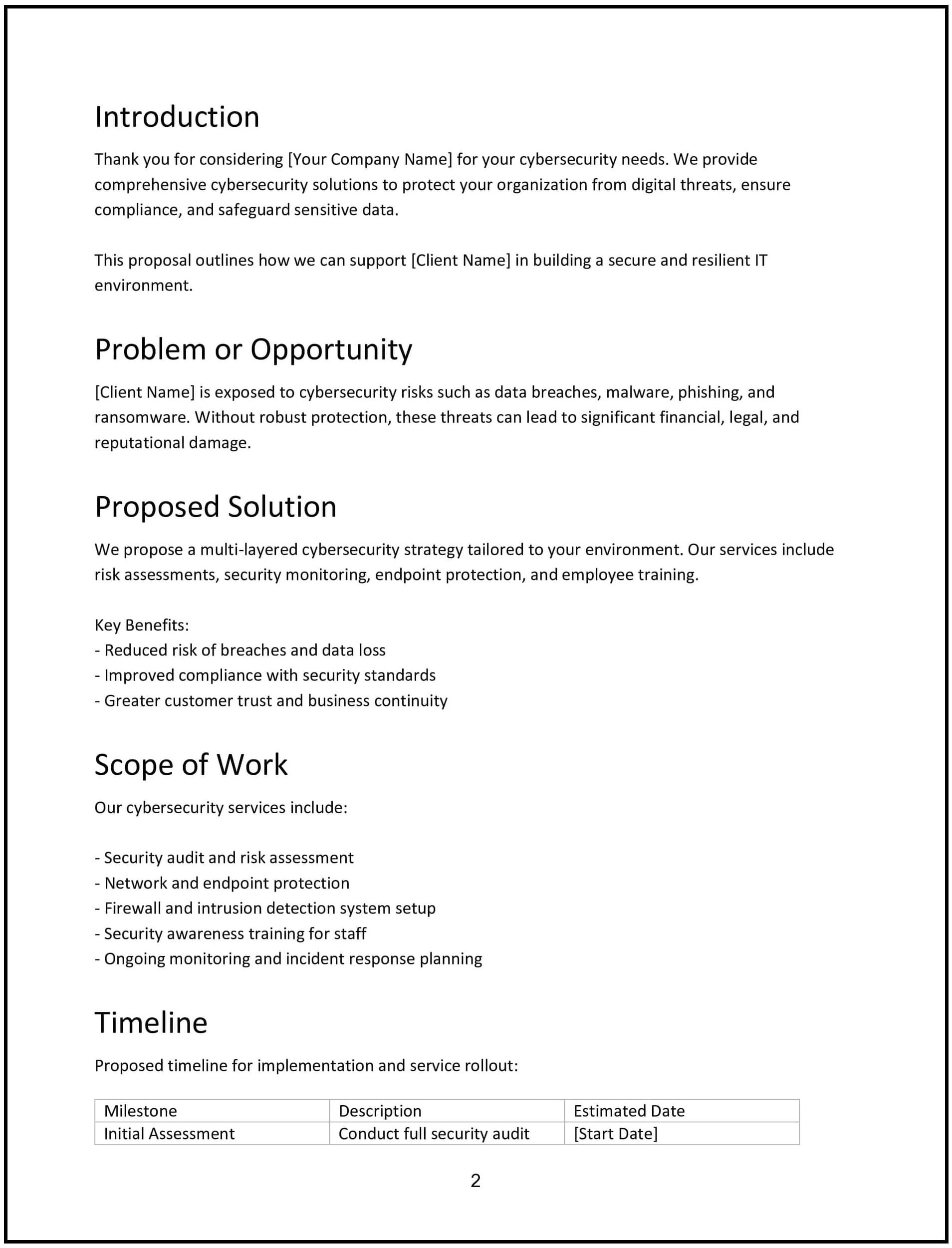
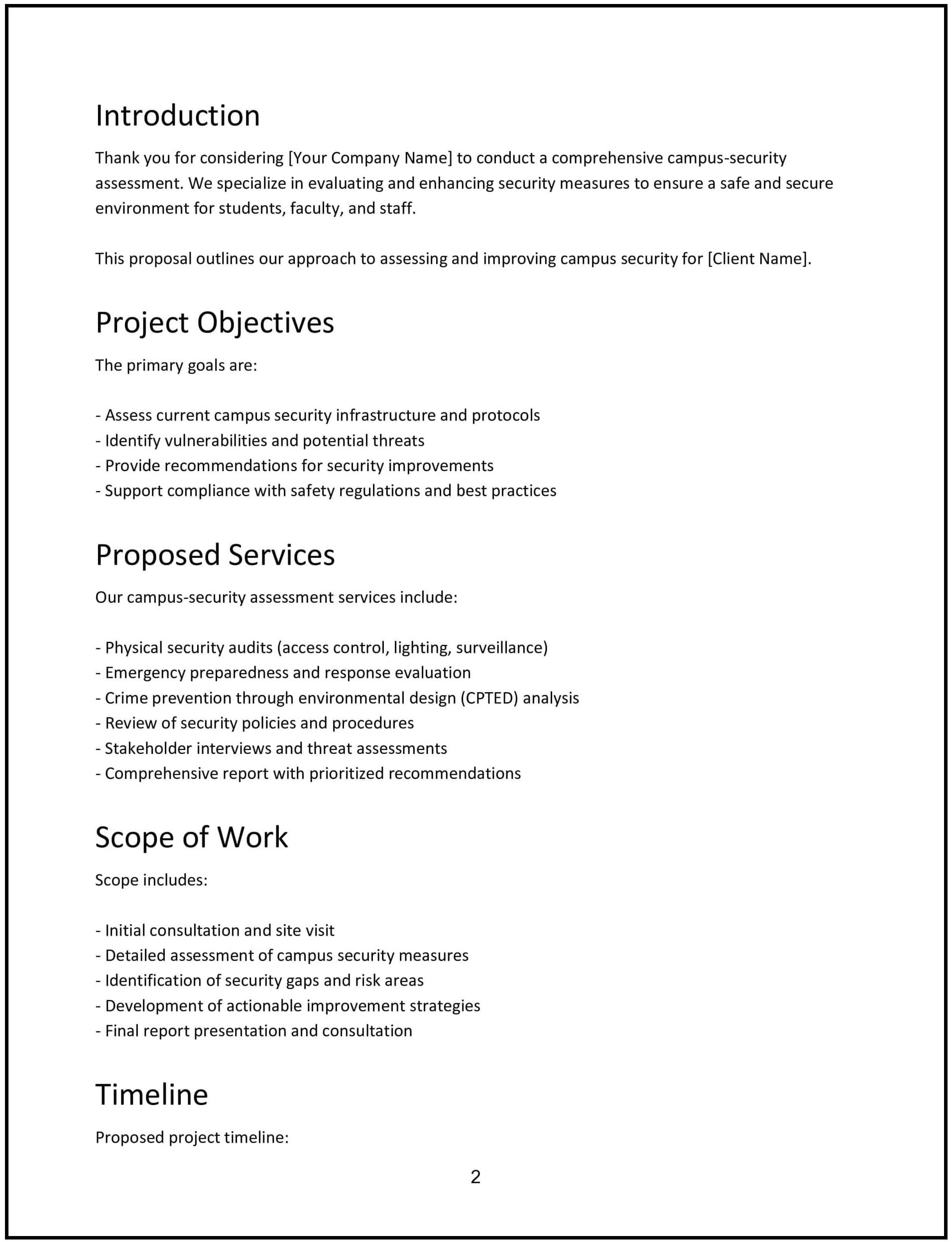
Similar templates
Where deals go from offer to paid
