Customize it in Cobrief, send it for signature, and move straight to payment once it's approved.
Customize this template for free
TL;DR
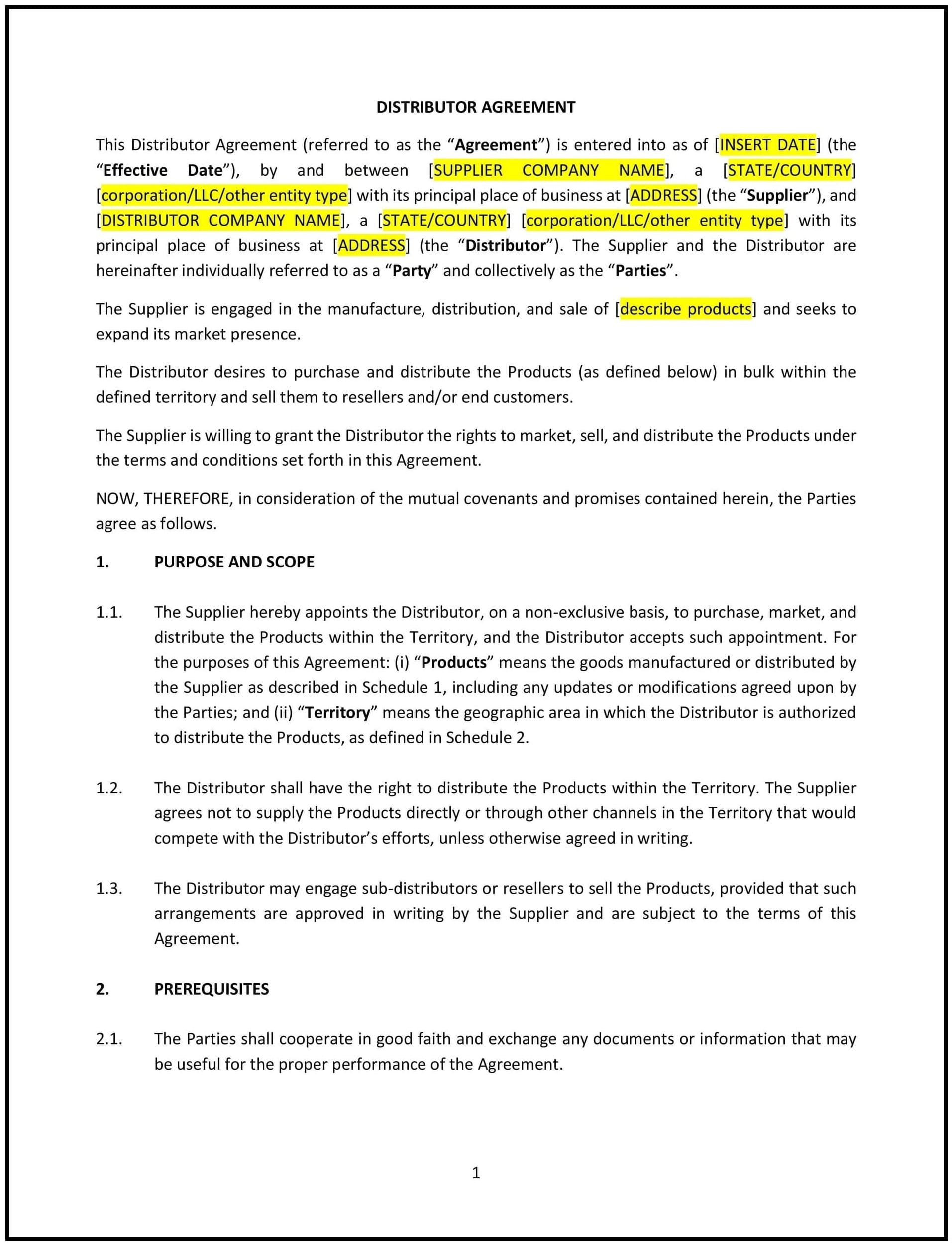
A Distributor Agreement tailored for Vermont that establishes the terms for a distributor to purchase and resell a supplier's products. It addresses key elements such as pricing, territories, compliance with state regulations, and performance metrics, making it suitable for businesses in various sectors like manufacturing and food and beverage. Typically used by suppliers and distributors looking to formalize their partnership while ensuring adherence to local laws.
Distributor Agreement (Vermont)
A Distributor Agreement is a contract between a supplier or manufacturer (the "Supplier") and a distributor (the "Distributor") that outlines the terms under which the Distributor can purchase and resell the Supplier’s products. In Vermont, Distributor Agreements are commonly used in industries such as manufacturing, agriculture, food and beverage, consumer goods, and healthcare. Vermont’s focus on consumer protection, environmental regulations, and its strategic location near major markets make it essential to ensure compliance with state-specific regulations.
For example, a Rutland-based food processing company might use a Distributor Agreement to partner with a regional distributor, while a Brattleboro-based tech startup might use it to expand its market reach. A well-drafted Distributor Agreement ensures clarity on pricing, territories, and responsibilities, fostering a successful partnership.
Tips for drafting and maintaining a Distributor Agreement in Vermont
- Define the scope of distribution: Specify the geographic area where the Distributor is authorized to sell the Supplier’s products. Include exclusivity terms if applicable. Ensure compliance with Vermont’s antitrust laws, which prohibit anti-competitive practices.
- Example: “The Distributor is granted exclusive rights to distribute the Supplier’s products within the state of Vermont.”
- Outline product details: List the products covered by the agreement and any restrictions on sales channels or markets. If the products involve regulated substances (e.g., food, beverages, or pharmaceuticals), ensure compliance with Vermont’s health and safety regulations.
- Example: “The Distributor is authorized to sell the Supplier’s products exclusively to retail outlets and may not sell online without prior approval.”
- Set pricing and payment terms: Detail the pricing structure, discounts, and payment terms. Include provisions for handling returns or defective products. Ensure transparency in pricing to comply with Vermont’s consumer protection laws.
- Example: “The Distributor will purchase products at a 30% discount off the Manufacturer’s Suggested Retail Price (MSRP) and will pay invoices within 15 days.”
- Address marketing and promotion: Specify the Distributor’s obligations to promote the Supplier’s products and any co-marketing support provided by the Supplier. Ensure compliance with Vermont’s advertising laws, which prohibit misleading or deceptive practices.
- Example: “The Distributor agrees to allocate $5,000 annually for marketing the Supplier’s products and will submit a marketing plan for approval.”
- Include performance metrics: Establish minimum purchase requirements or sales targets to ensure the Distributor actively promotes the Supplier’s products. Performance metrics should be realistic and measurable to avoid disputes.
- Example: “The Distributor agrees to purchase a minimum of $50,000 worth of products quarterly or risk termination of this agreement.”
- Specify termination clauses: Define the conditions under which the agreement can be terminated, such as breach of terms, failure to meet performance metrics, or mutual agreement. Include provisions for winding down the relationship, such as returning unsold inventory or ceasing use of intellectual property.
- Example: “Either party may terminate this agreement with 60 days’ written notice if the other party fails to fulfill its obligations.”
- Comply with Vermont laws: Ensure the agreement adheres to Vermont’s contract laws, including the Vermont Uniform Commercial Code (UCC) for transactions involving goods. Address compliance with environmental regulations, labor laws, and consumer protection statutes.
- Include dispute resolution mechanisms: Specify how disputes will be resolved, whether through arbitration, mediation, or litigation. Vermont courts often favor alternative dispute resolution methods, so consider including an arbitration clause.
- Example: “Any disputes arising under this agreement shall be resolved through arbitration in Burlington, Vermont.”
Frequently asked questions (FAQs)
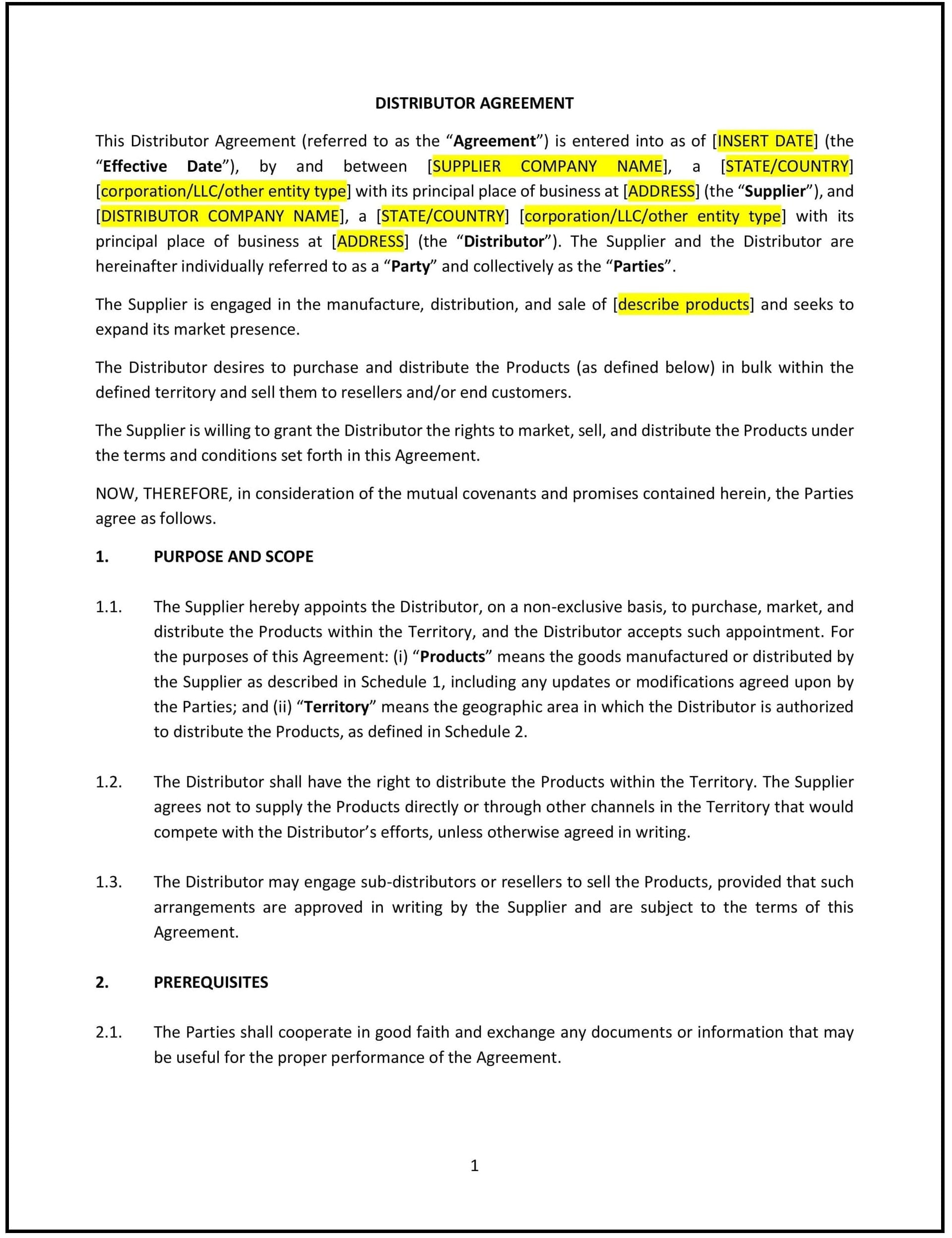
Defines terms for product distribution in Virginia, covering territory, pricing, marketing, performance, termination, compliance, and disputes.
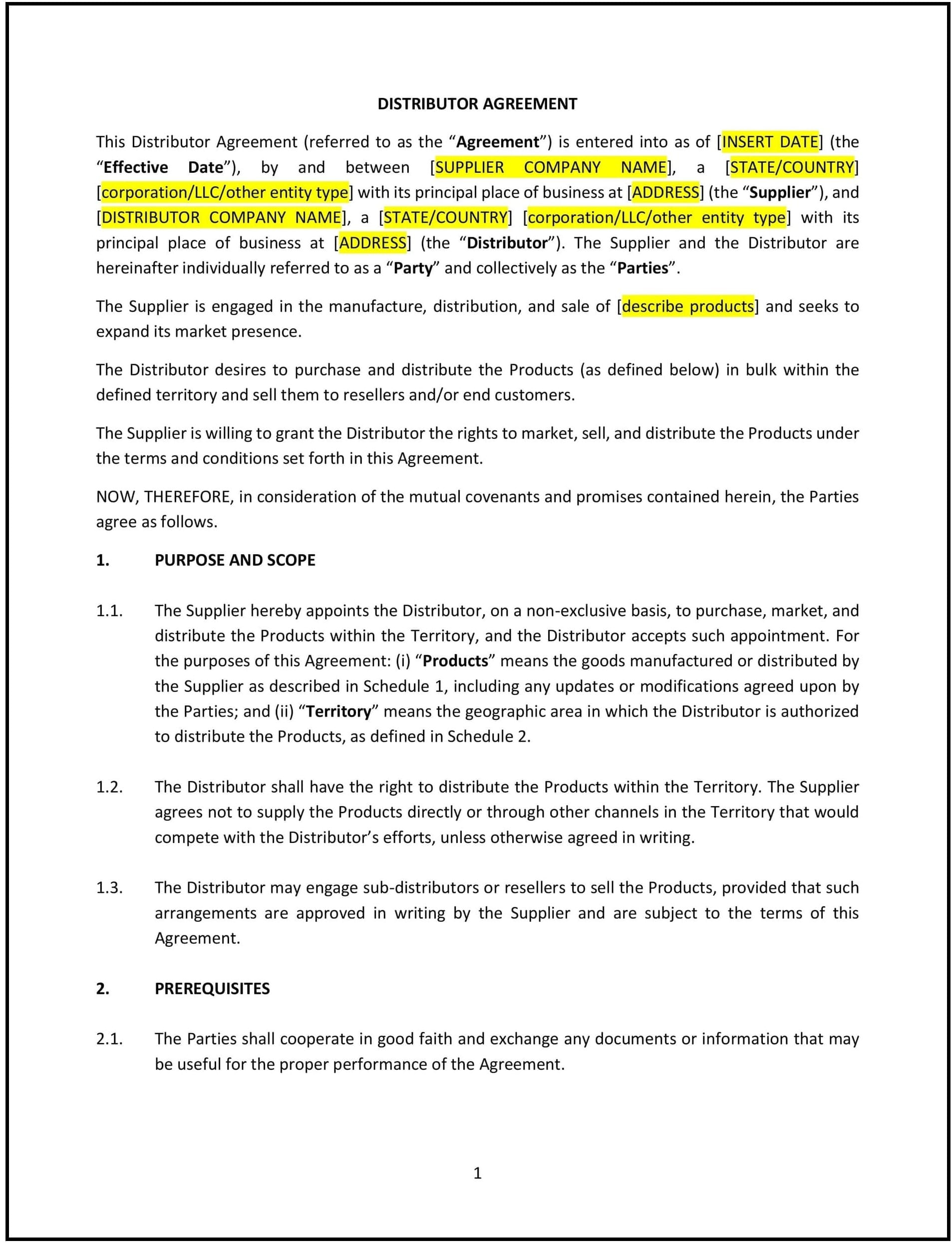
Defines terms for product distribution in Utah, covering territory, pricing, marketing, performance metrics, termination, compliance, and dispute resolution.
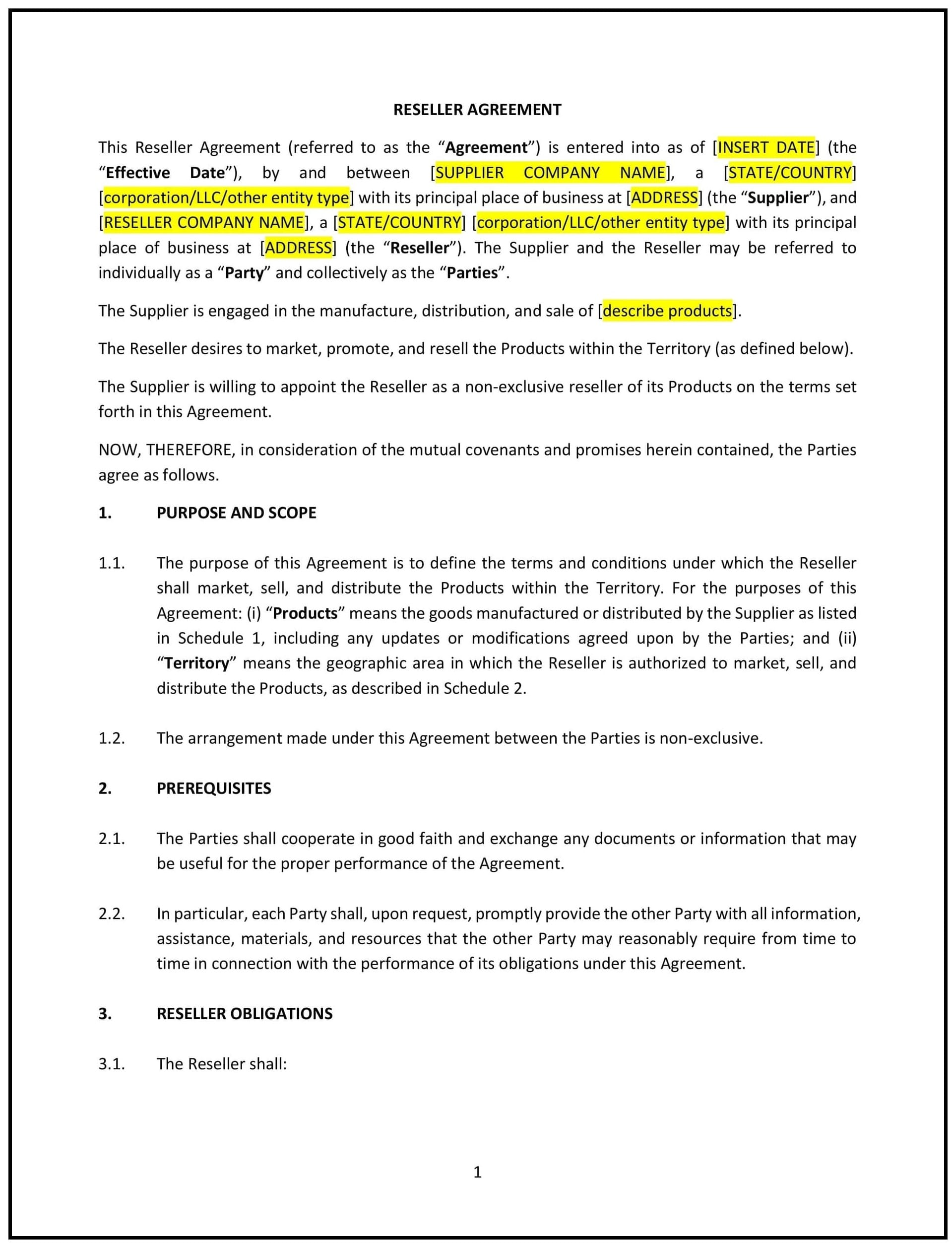
Defines reseller terms in Vermont, covering product scope, pricing, intellectual property, performance targets, termination, and legal compliance.
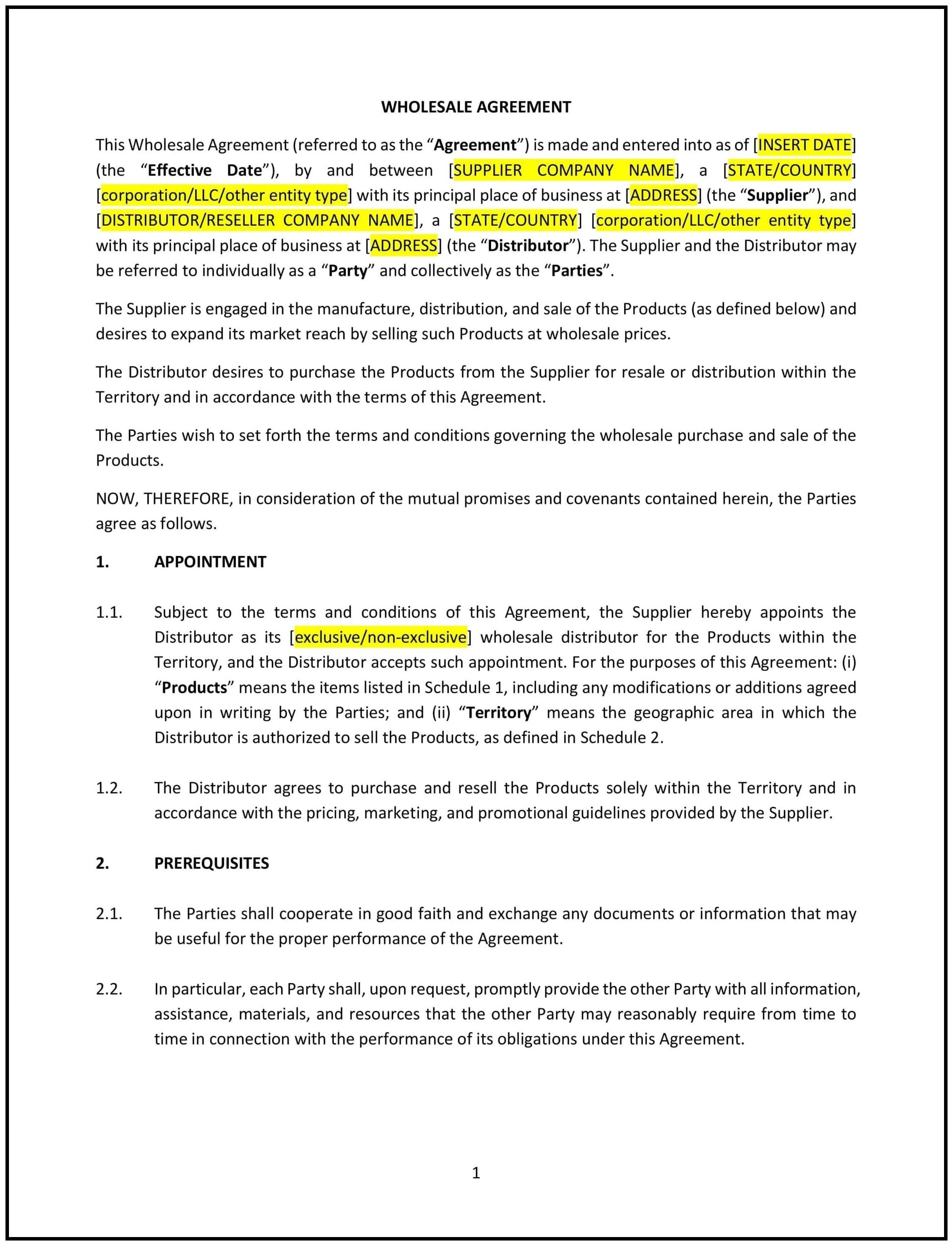
Establishes terms for a Vermont wholesale partnership, detailing pricing, order quantities, delivery, payment, exclusivity, termination, and governing law.
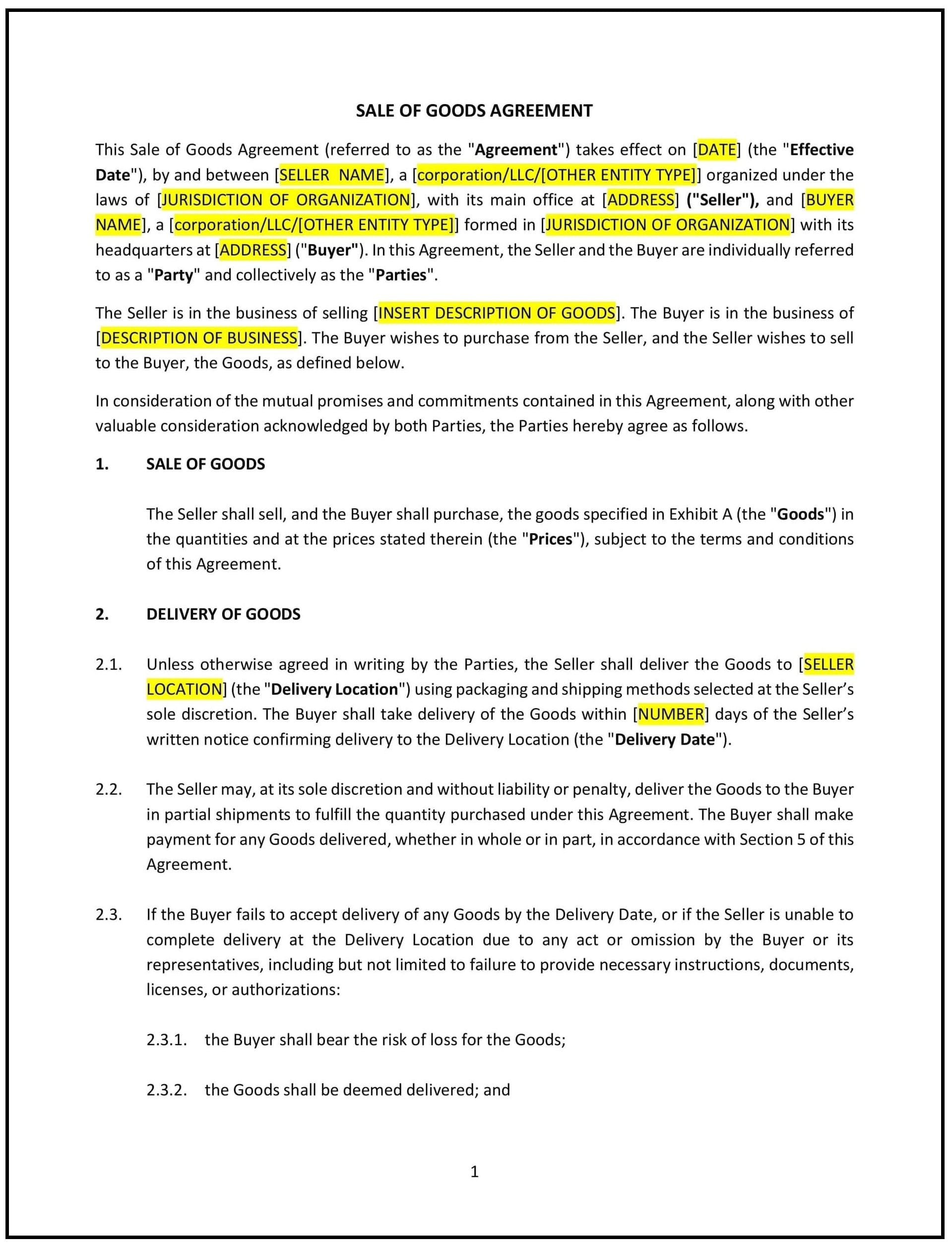
Defines terms for selling goods in Vermont, covering payment, delivery, risk transfer, liability limits, warranties, returns, and force majeure protections.