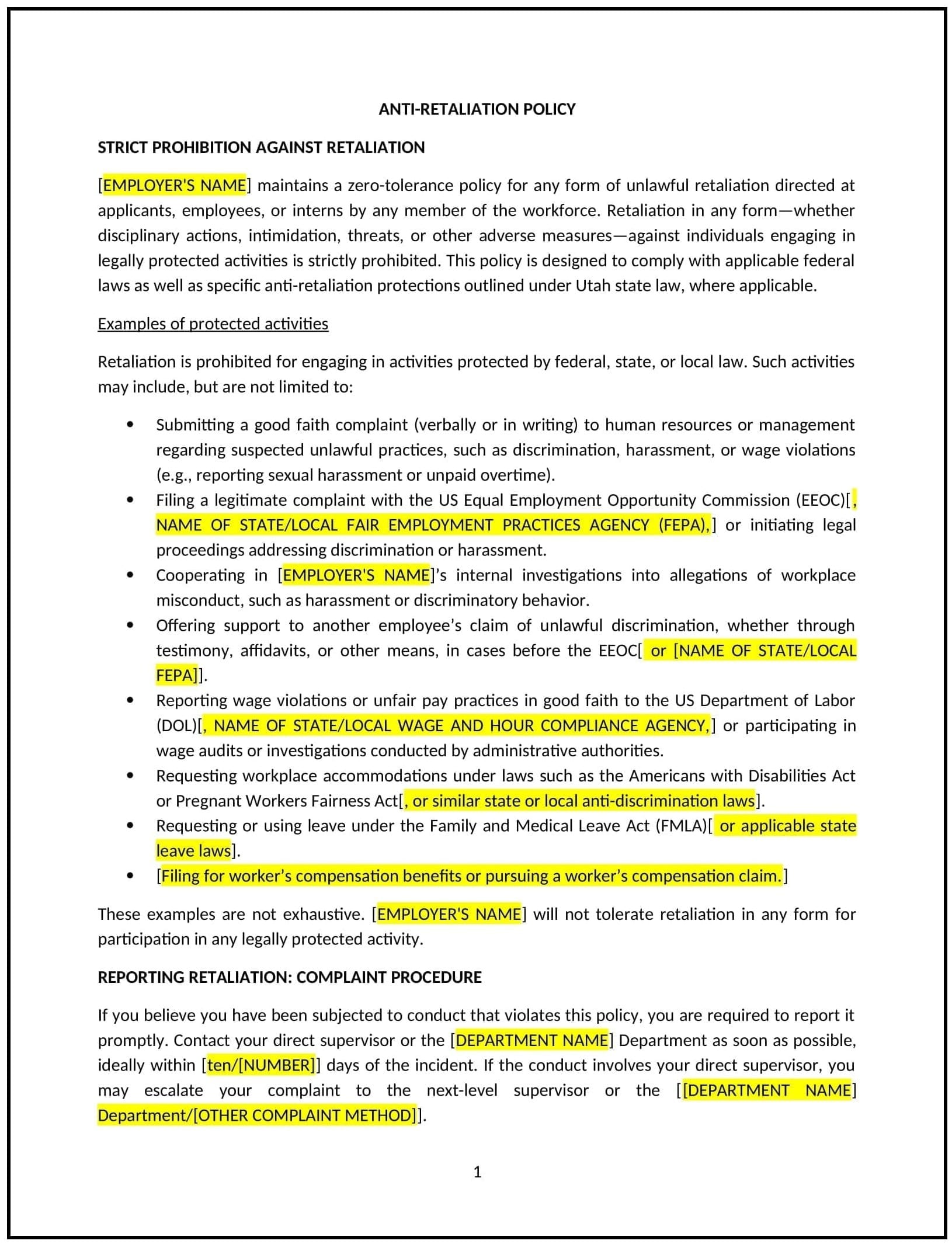
Anti-retaliation policy (Utah): Free template
Protects employees from retaliation after reporting concerns or asserting rights under Utah and federal laws.
- Policies
- Utah
Anti-retaliation policy (Utah)
This anti-retaliation policy is designed to help Utah businesses protect employees who report concerns, such as harassment, discrimination, or unethical behavior, from retaliation. It outlines the steps businesses can take to ensure employees feel safe raising issues without fear of adverse consequences.
By adopting this policy, businesses can foster a culture of transparency, encourage ethical behavior, and align with general best practices for protecting whistleblowers.
How to use this anti-retaliation policy (Utah)
- Define retaliation: Clearly outline actions considered retaliatory, such as demotion, termination, or harassment.
- Establish reporting procedures: Provide employees with clear channels to report retaliation concerns.
- Train employees: Educate employees and managers on recognizing and preventing retaliation.
- Investigate complaints: Outline a fair process for investigating retaliation claims.
- Enforce consequences: Specify disciplinary actions for policy violations.
- Promote transparency: Encourage open communication and ethical behavior at all levels.
- Review and update: Regularly assess the policy to ensure it remains effective.
Benefits of using this anti-retaliation policy (Utah)
This policy offers several advantages for Utah businesses:
- Encourages reporting: Protects employees who raise concerns, fostering a culture of transparency.
- Reduces legal risks: Helps businesses address retaliation proactively, minimizing potential disputes.
- Enhances trust: Demonstrates a commitment to ethical behavior and employee protection.
- Aligns with best practices: Provides a structured approach to preventing retaliation.
- Supports compliance: Helps businesses align with general workplace standards.
Tips for using this anti-retaliation policy (Utah)
- Communicate the policy: Share the policy during onboarding and include it in the employee handbook.
- Provide training: Educate employees and managers on recognizing and preventing retaliation.
- Encourage reporting: Foster an environment where employees feel safe raising concerns.
- Investigate promptly: Address retaliation claims quickly and impartially.
- Monitor effectiveness: Regularly review the policy to ensure it meets workplace needs.
Frequently asked questions (FAQs)
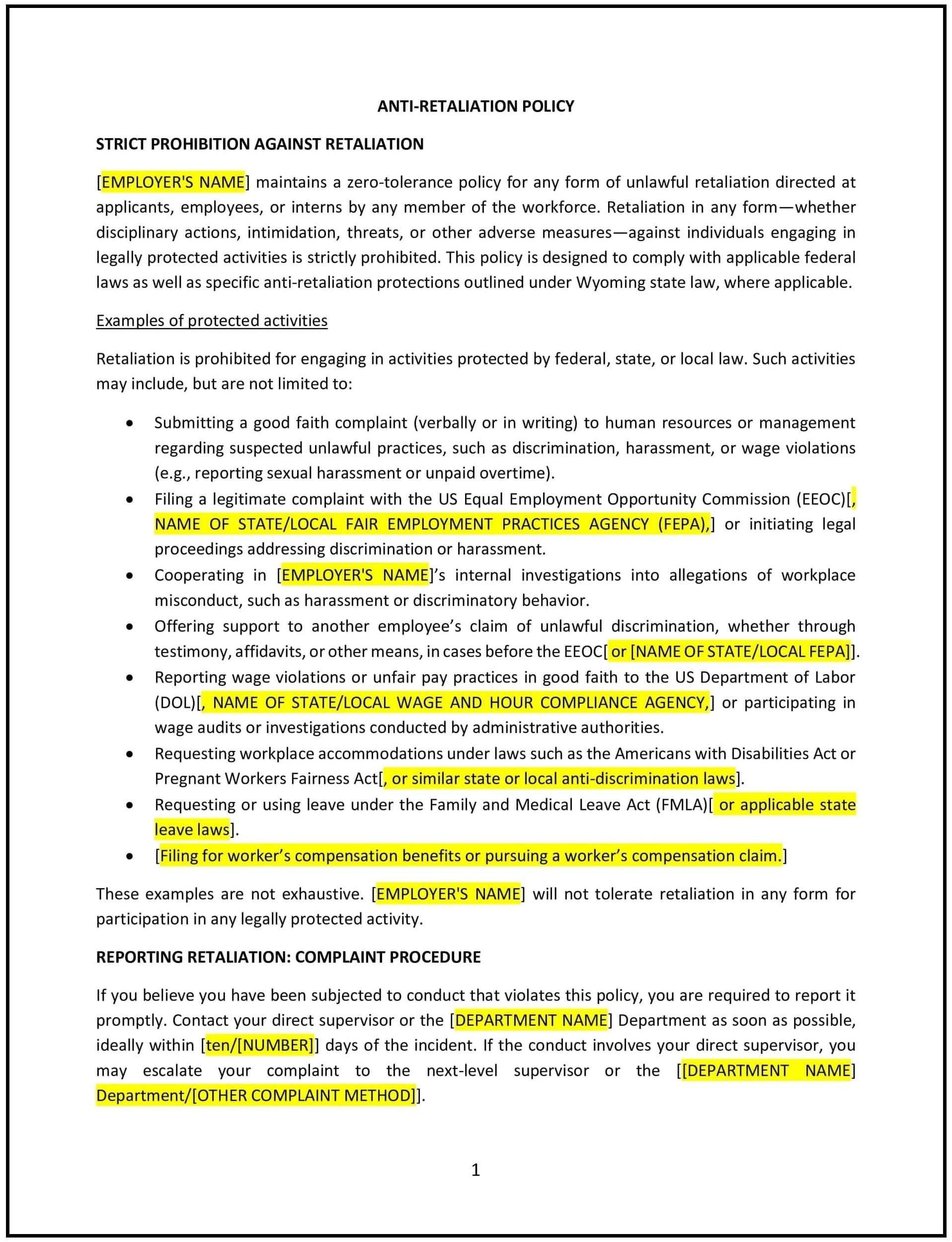
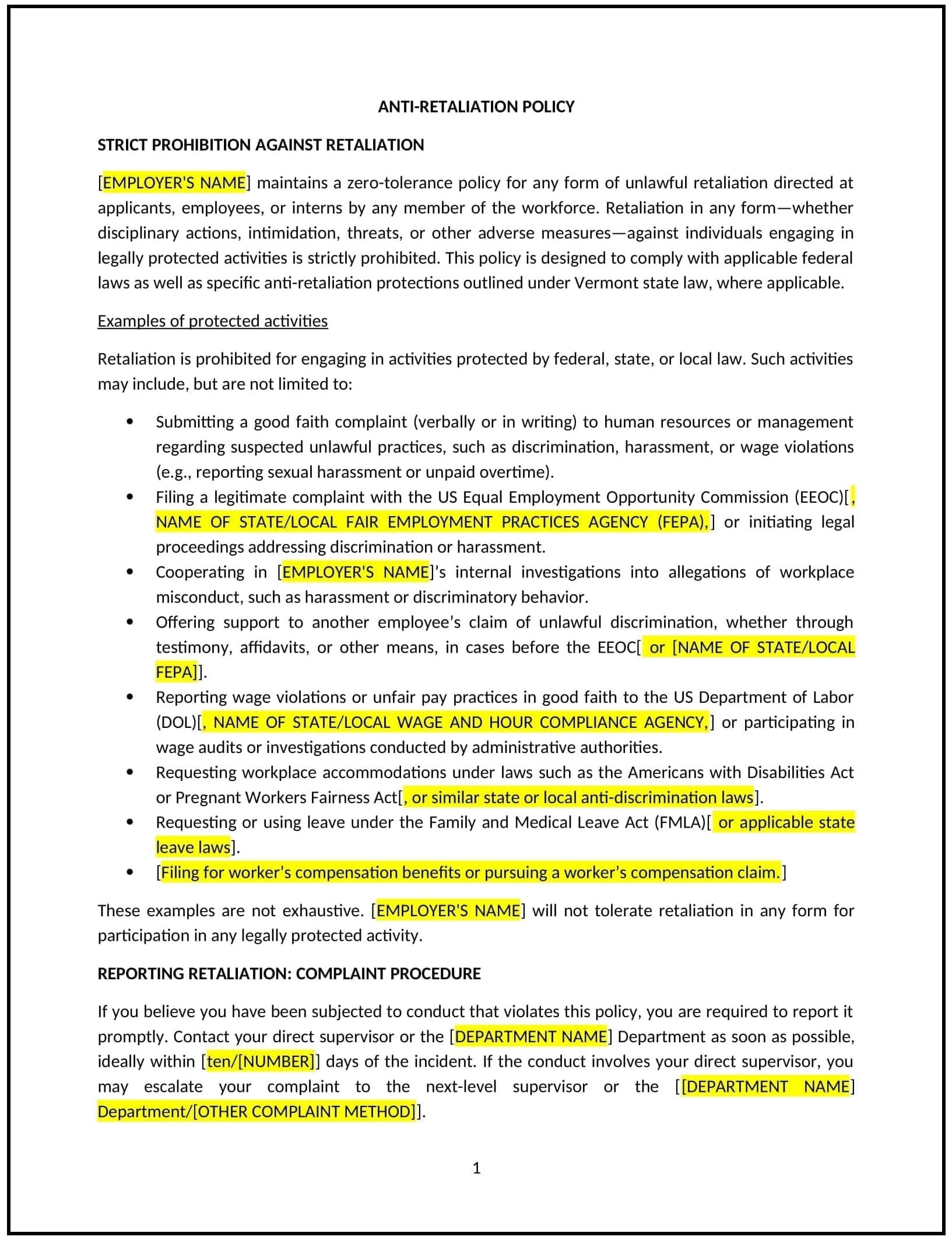
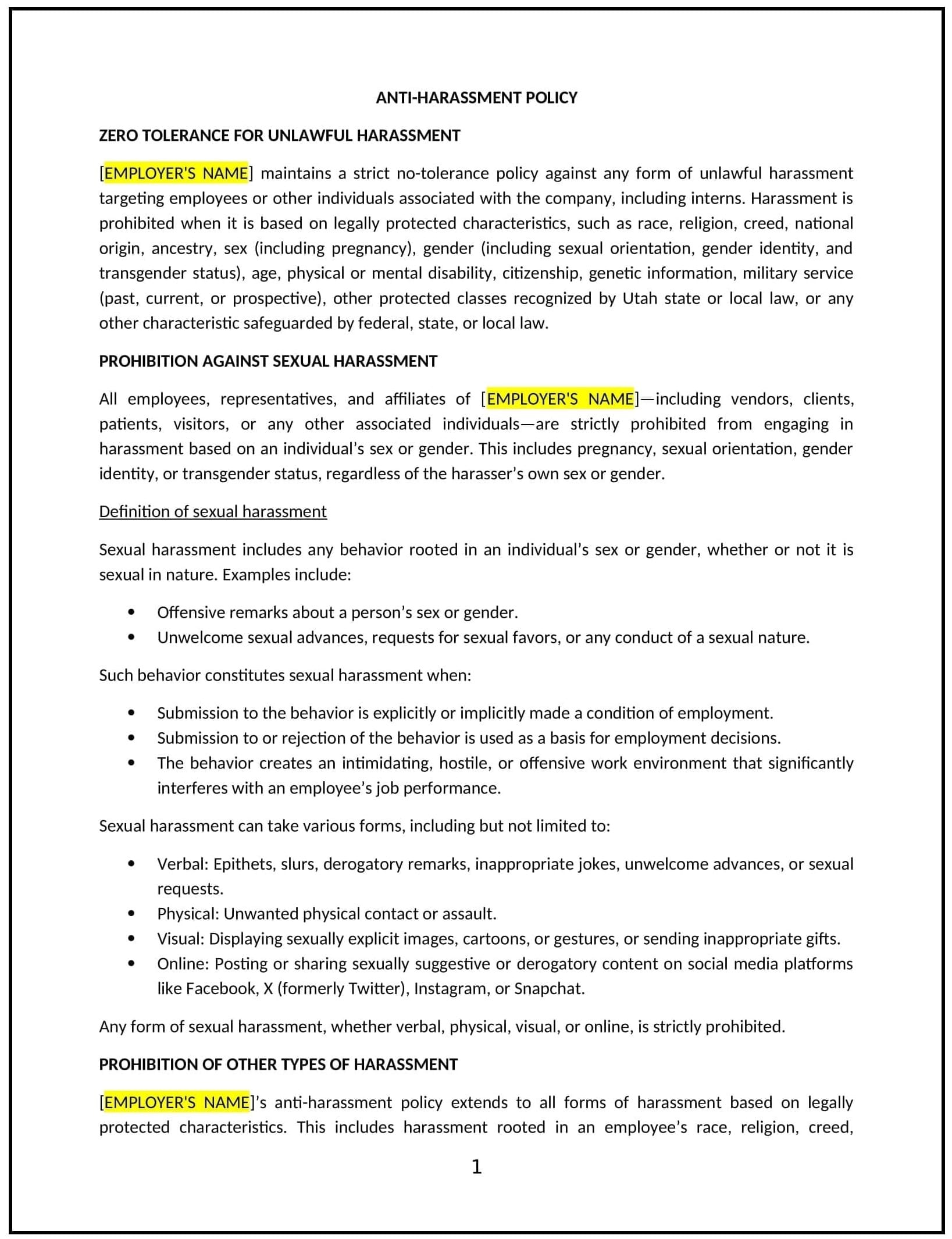
Similar templates
Where deals go from offer to paid
